The Moon Landing
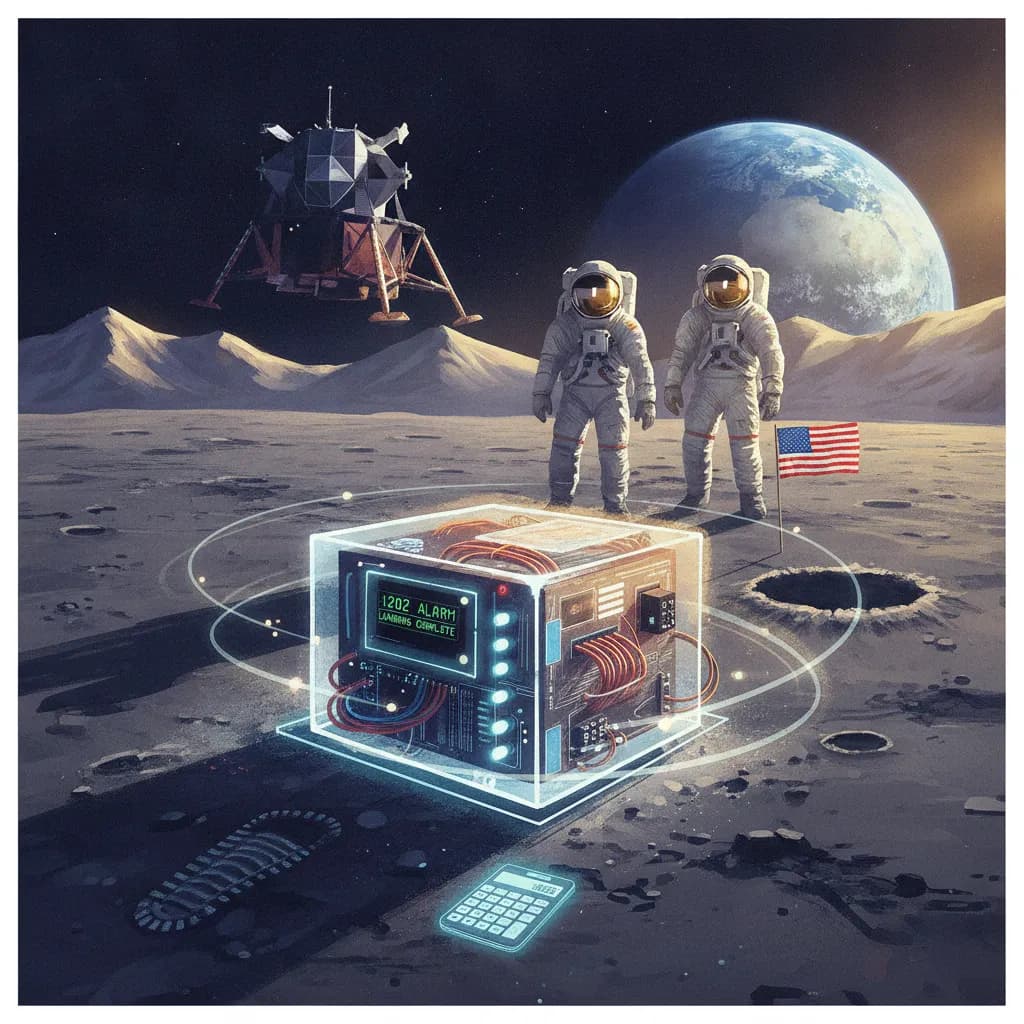
The computer that guided Apollo 11 safely onto the Moon had a small fraction of the processing power of a basic modern calculator.
Cheat Sheet
- On July 20, 1969, NASA's Apollo 11 mission successfully landed the first humans on the Moon, with astronauts Neil Armstrong and Buzz Aldrin walking on its surface while Michael Collins orbited above.
- Neil Armstrong's first words upon stepping onto the lunar surface, "That's one small step for man, one giant leap for mankind," became one of the most widely recognized quotes in modern history.
- The Moon landing was the culmination of the Space Race, an intense Cold War-era competition between the United States and the Soviet Union for dominance in spaceflight technology.
- Apollo 11's lunar module, named Eagle, used onboard computer technology with vastly less processing power than a modern smartphone to safely navigate and land on the Moon.
- NASA's Apollo program conducted six crewed missions that successfully landed on the Moon between 1969 and 1972, bringing back a total of 842 pounds of lunar rock and soil samples.
- Despite extensive photographic, physical, and independently verified evidence, a small but persistent segment of the public continues to promote the unfounded claim that the Moon landing was staged.
The 60-Second Version
On July 20, 1969, NASA's Apollo 11 mission successfully landed the first humans on the Moon, with astronauts Neil Armstrong and Buzz Aldrin walking on its surface while Michael Collins orbited above. Neil Armstrong's first words upon stepping onto the lunar surface, "That's one small step for man, one giant leap for mankind," became one of the most widely recognized quotes in modern history. The Moon landing was the culmination of the Space Race, an intense Cold War-era competition between the United States and the Soviet Union for dominance in spaceflight technology. Apollo 11's lunar module, named Eagle, used onboard computer technology with vastly less processing power than a modern smartphone to safely navigate and land on the Moon. NASA's Apollo program conducted six crewed missions that successfully landed on the Moon between 1969 and 1972, bringing back a total of 842 pounds of lunar rock and soil samples. Despite extensive photographic, physical, and independently verified evidence, a small but persistent segment of the public continues to promote the unfounded claim that the Moon landing was staged.
The Long Version
The Historic Landing
On July 20, 1969, NASA's Apollo 11 mission successfully landed the first humans on the Moon, with astronauts Neil Armstrong and Buzz Aldrin walking on its surface for over two hours while astronaut Michael Collins remained in lunar orbit piloting the command module. Neil Armstrong's first words upon stepping onto the lunar surface, "That's one small step for man, one giant leap for mankind," became one of the most widely recognized and quoted lines in modern history, instantly capturing the historic scale of the achievement.
Winning the Space Race
The Moon landing was the culmination of the Space Race, an intense Cold War-era competition between the United States and the Soviet Union for dominance in spaceflight technology, a rivalry that had already produced major milestones on both sides, including the Soviet Union's launch of the first artificial satellite and first human in space, before the United States ultimately achieved the first crewed lunar landing.
Remarkably Limited Technology
Apollo 11's lunar module, named Eagle, used onboard guidance computer technology with vastly less processing power and memory than a modern smartphone or even a basic modern calculator, a fact that continues to astonish people today given the mission's extraordinary precision and success, relying heavily on the skill of the astronauts and ground-based mission control alongside the technology itself.
Later Missions and the Persistent Myth
NASA's Apollo program went on to conduct six crewed missions that successfully landed on the Moon between 1969 and 1972, bringing back a combined total of 842 pounds of lunar rock and soil samples that continue to be studied by scientists today. Despite extensive photographic, physical, and independently verified evidence, including lunar samples studied by multiple countries and laser reflectors still used for measurements today, a small but persistent segment of the public continues to promote the unfounded claim that the Moon landing was staged, a claim that has been thoroughly and repeatedly debunked by the scientific community.
Ad slot (placeholder — set NEXT_PUBLIC_ADSENSE_SLOT_ID once an ad unit is created)
Glossary
- Apollo 11
- The NASA spaceflight mission that successfully landed the first humans on the Moon on July 20, 1969.
- Lunar module
- The spacecraft component, named Eagle for the Apollo 11 mission, designed to separately land on and later depart from the lunar surface.
- Space Race
- The Cold War-era competition between the United States and the Soviet Union to achieve dominance in spaceflight and space exploration technology.
- NASA
- The National Aeronautics and Space Administration, the United States government agency responsible for the country's space program, including the Apollo missions.
- Lunar samples
- Physical rock and soil material collected from the Moon's surface during the Apollo missions and brought back to Earth for scientific study.