Biophilic Design
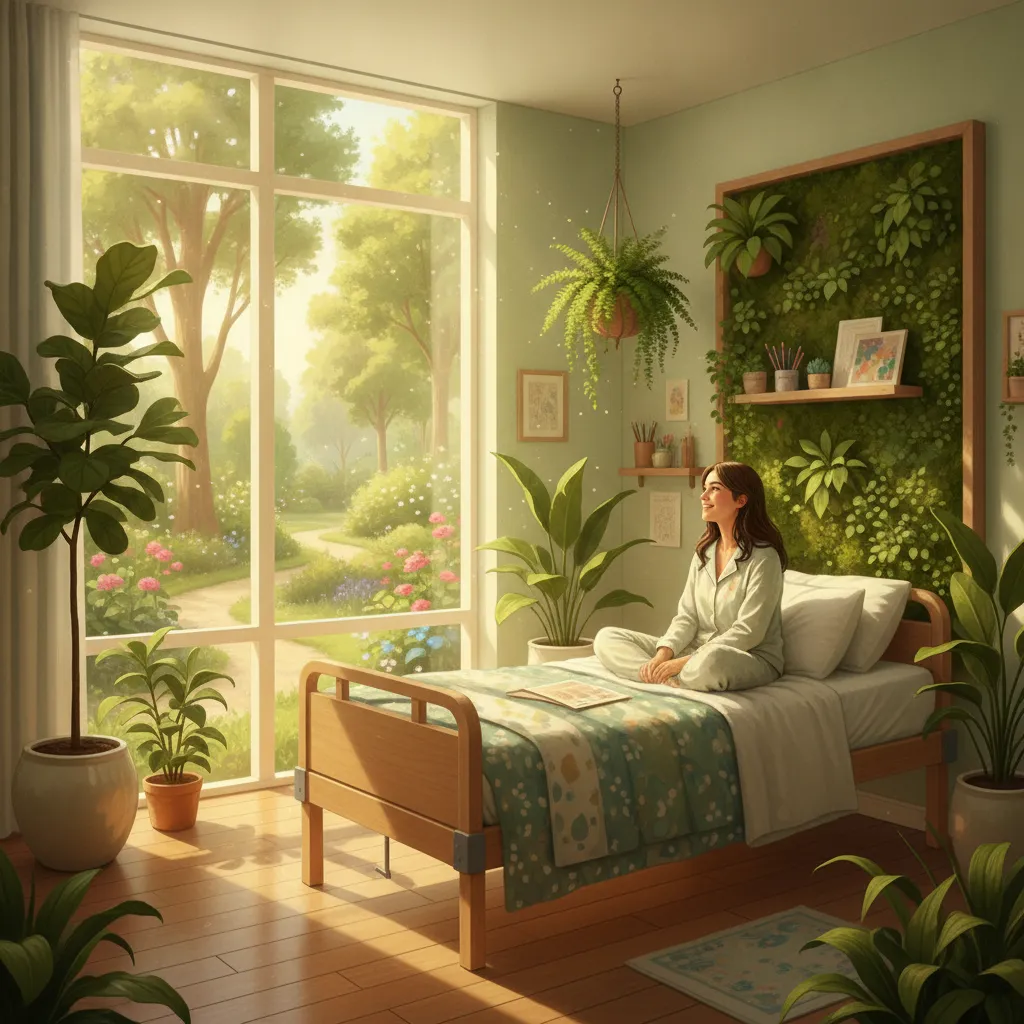
Some hospitals have measured shorter patient recovery times simply from adding more natural light and greenery to the rooms.
Cheat Sheet
- Biophilic design is an interior and architectural design approach that intentionally incorporates natural elements, such as plants, natural light, and organic materials, to strengthen the connection between people and nature indoors.
- The concept is rooted in 'biophilia,' a theory suggesting humans have an innate, evolutionarily rooted tendency to seek connection with nature and other living systems.
- Common biophilic design elements include abundant natural light, indoor plants, natural materials like wood and stone, water features, and views of or access to outdoor greenery.
- Research has associated biophilic design with measurable benefits including reduced stress, improved concentration, and enhanced overall wellbeing in both homes and workplaces.
- Biophilic design extends beyond simply adding houseplants to a room, also encompassing layout choices, natural patterns, textures, and even mimicking natural light cycles through lighting design.
- Corporate offices and healthcare facilities have increasingly adopted biophilic design principles, partly driven by research linking natural elements to improved patient recovery times and employee productivity.
The 60-Second Version
Biophilic design is an interior and architectural design approach that intentionally incorporates natural elements, such as plants, natural light, and organic materials, to strengthen the connection between people and nature indoors. The concept is rooted in "biophilia," a theory suggesting humans have an innate, evolutionarily rooted tendency to seek connection with nature and other living systems. Common biophilic design elements include abundant natural light, indoor plants, natural materials like wood and stone, water features, and views of or access to outdoor greenery. Research has associated biophilic design with measurable benefits including reduced stress, improved concentration, and enhanced overall wellbeing in both homes and workplaces. Biophilic design extends beyond simply adding houseplants to a room, also encompassing layout choices, natural patterns, textures, and even mimicking natural light cycles through lighting design. Corporate offices and healthcare facilities have increasingly adopted biophilic design principles, partly driven by research linking natural elements to improved patient recovery times and employee productivity.
The Long Version
Bringing Nature Indoors, Deliberately
Biophilic design is an interior and architectural design approach that intentionally incorporates natural elements, such as plants, abundant natural light, and organic materials, specifically to strengthen the connection between people and nature within indoor, often urban, environments where that connection has otherwise been largely engineered out.
A Theory Rooted in Human Evolution
The concept is rooted in "biophilia," a theory suggesting humans have an innate, evolutionarily rooted tendency to seek connection with nature and other living systems, a drive theorized to persist even as most people now spend the vast majority of their time indoors, disconnected from the natural environments humans evolved within.
The Core Elements of the Approach
Common biophilic design elements include abundant natural light, indoor plants, natural materials like wood and stone, water features such as small fountains, and direct views of or physical access to outdoor greenery, each intended to recreate some element of a natural sensory environment within a built space.
Measurable, Documented Benefits
Research has associated biophilic design with measurable benefits including reduced stress levels, improved concentration and cognitive performance, and enhanced overall wellbeing in both homes and workplaces, giving the approach a research foundation that goes beyond simple aesthetic preference.
More Than Just Houseplants
Biophilic design extends considerably beyond simply adding houseplants to a room, also encompassing thoughtful layout choices, natural patterns and textures, and even circadian lighting design that mimics natural daylight cycles throughout the day to support healthier sleep and energy patterns. This broader potential is precisely why corporate offices and healthcare facilities have increasingly adopted biophilic design principles, driven in part by research specifically linking natural elements to improved patient recovery times in hospitals and higher employee productivity in workplaces.
Ad slot (placeholder — set NEXT_PUBLIC_ADSENSE_SLOT_ID once an ad unit is created)
Why People Care
Biophilic design offers a research-backed way to make everyday indoor spaces feel calmer and healthier, and understanding its core principles helps distinguish a genuinely thoughtful application of the approach from simply scattering a few plants around a room.
Glossary
- Biophilia
- A theory suggesting humans have an innate, evolutionarily rooted tendency to seek connection with nature and living systems.
- Biophilic design
- An interior and architectural design approach that intentionally incorporates natural elements to strengthen indoor connections to nature.
- Natural materials
- Materials like wood, stone, and natural fibers used in biophilic design to evoke a stronger connection to the natural world.
- Circadian lighting
- Lighting designed to mimic natural daylight cycles, a biophilic design technique linked to improved sleep and wellbeing.
- Living wall
- A vertical surface covered in growing plants, a prominent feature sometimes used in biophilic interior design.
Go Deeper
More to Explore
- Maximalism (Interior Design)
Where minimalism asks what a room can live without, maximalism asks how much personality it can actually hold.
- Minimalism
A design philosophy whose central idea, having less, has paradoxically become a reason people buy more — carefully curated "minimalist" furniture doesn't come cheap.
- Feng Shui
A design philosophy old enough to predate most architecture as we know it, still influencing exactly where people put their beds and desks today.
- Color Theory in Design
A single practical guideline, allocating colors roughly 60-30-10 across a room, quietly underlies why so many professionally designed spaces feel instinctively balanced.
- The KonMari Method
Marie Kondo's method doesn't start by asking what to throw away — it asks the opposite question entirely, and that single reframe is why it caught on worldwide.