Reality TV
Reality TV markets itself as "unscripted," yet much of what makes it watchable comes from an editing trick that can stitch together a sentence a cast member never actually said.
Cheat Sheet
- MTV's 'The Real World' (1992) is widely credited as the show that established the modern reality TV template of unscripted people living together on camera.
- 'Survivor' (2000) and its massive ratings success are generally credited with launching reality TV's mainstream network boom in the U.S.
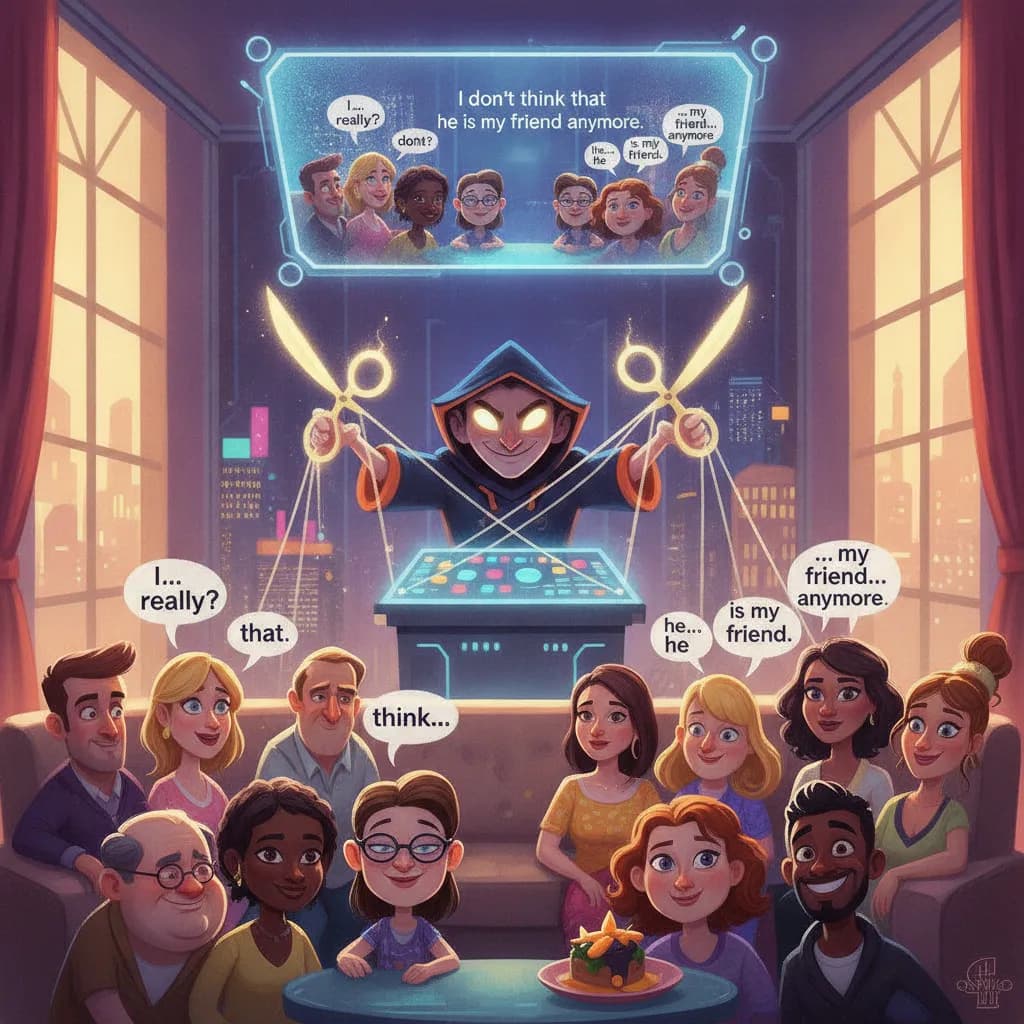
- Much of reality TV is not fully unscripted — producers commonly shape storylines through editing, prompted scenarios, and strategic casting, a practice sometimes called 'Frankenbiting.'
- Reality TV is significantly cheaper to produce than scripted drama or comedy, a major factor in networks' embrace of the genre.
- Competition-based reality shows (talent contests, survival formats) differ structurally from docusoap formats that follow ongoing personal lives without a defined winner.
- Reality TV formats are frequently licensed and adapted internationally, with many hit formats airing in dozens of countries with local casts.
The 60-Second Version
Reality television's modern template traces back to a single 1992 MTV show that put ordinary young strangers in a house together and simply filmed what happened, establishing the basic unscripted-people-on-camera format that countless later shows would build on. The genre didn't become a true mainstream force until a survival competition series became a massive ratings hit in 2000, convincing major networks that unscripted programming could draw audiences on the same scale as scripted drama. Despite the "reality" label, much of what actually airs is more constructed than viewers might assume, since producers commonly shape storylines through selective editing, staged scenarios, and deliberate casting choices designed to generate on-screen conflict, including an editing technique that can splice together unrelated soundbites into a sentence a cast member never literally said. Networks embraced the genre so enthusiastically partly for financial reasons that have nothing to do with storytelling at all, since reality shows are dramatically cheaper to produce than scripted comedy or drama, without needing writers' rooms or actor salaries. The genre also spans two genuinely different structural formats, competition shows built around eliminating contestants toward a single winner, and docusoaps that simply follow an ongoing cast's personal lives without any competitive structure at all.
The Long Version
The Show That Set the Template
Reality TV's modern format traces back specifically to MTV's "The Real World" in 1992, which put a small group of strangers together in a shared house and filmed their unscripted daily interactions, establishing the basic format that countless subsequent reality shows would directly build on.
The Ratings Hit That Changed Network Strategy
The genre didn't become a true mainstream network force until a survival-based competition series became a massive ratings success in 2000, a turning point widely credited with convincing major broadcast networks that unscripted programming could reliably draw audiences at a scale comparable to traditional scripted drama and comedy.
How "Unscripted" Actually Gets Made
Despite its branding, much of reality TV is considerably more constructed than the "unscripted" label suggests, since producers routinely shape storylines through careful editing, staged scenarios, and deliberate casting decisions intended to generate on-camera conflict, including a well-documented editing technique that splices unrelated dialogue clips together into statements a cast member never actually said in that form.
The Financial Logic Behind the Boom
Beyond storytelling appeal, reality TV's rise was substantially driven by simple economics, since it's dramatically cheaper to produce than scripted comedy or drama, requiring neither a professional writers' room nor the higher salaries commanded by trained actors. The genre also splits into two genuinely distinct structural types, competition formats built around progressively eliminating contestants toward a single winner, and docusoaps that simply follow an ongoing cast's personal lives without any competitive structure at all.
Ad slot (placeholder — set NEXT_PUBLIC_ADSENSE_SLOT_ID once an ad unit is created)
Why People Care
Understanding how much production, editing, and deliberate storytelling actually goes into "unscripted" television changes how viewers interpret the genre, and explains why networks have kept leaning on reality programming as a reliably cheap, reliably popular staple of their lineups.
Glossary
- Docusoap
- A reality TV subgenre following the ongoing personal lives of a cast without a competition structure or defined winner.
- Frankenbiting
- An editing technique that splices together unrelated bits of dialogue to construct a statement a cast member never actually said as a whole.
- Format licensing
- The practice of selling a reality show's structure and rules to be recreated with local casts in other countries.
- Confessional
- A direct-to-camera interview segment used in reality TV to provide narration, context, or commentary from cast members.
- Casting for conflict
- A common reality TV production practice of deliberately selecting cast members likely to clash, to generate on-screen drama.
Go Deeper
- Reality TV: Remaking Television Culture, by Susan Murray and Laurie Ouellette
- Variety — The History of Reality TV
More to Explore
- Prestige TV
A single show, The Sopranos, that's widely credited with convincing critics television could be taken as seriously as film.
- Film Noir
A movement so defined by shadow and cynicism that critics didn't even have a name for it until years after its golden age had already passed.
- Documentary Filmmaking
A film genre that claims to show us "real life" — while every single editing choice a filmmaker makes is quietly, unavoidably shaping the story we end up seeing.
- Anime
An entire animation industry that Western audiences spent decades dismissing as "cartoons for kids," despite it covering nearly every genre and audience imaginable.
- Mystery and Detective Fiction
The entire genre of detective fiction can be traced back to a single Edgar Allan Poe short story about a killer who, in a twist nobody saw coming in 1841, turns out not to be human at all.