Circus Arts
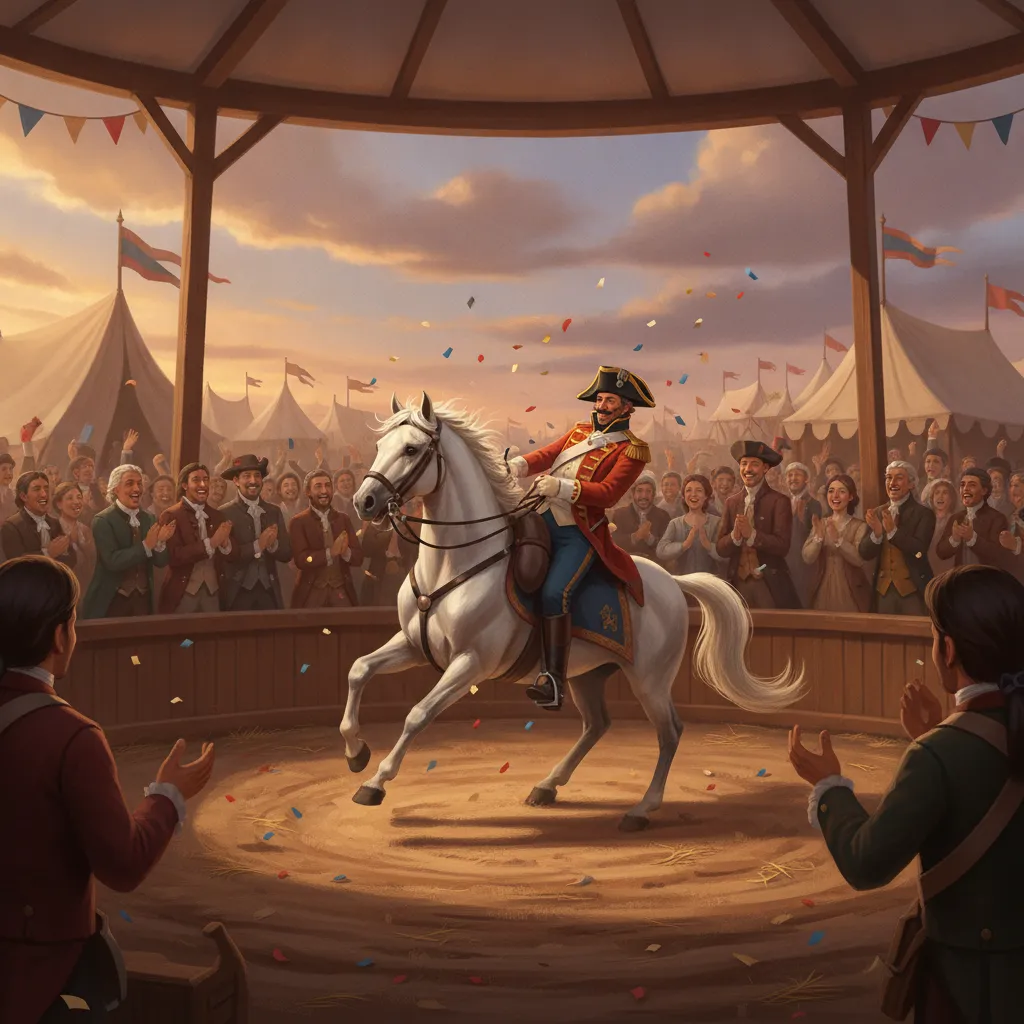
The modern circus began not with clowns or lion tamers but with a retired cavalry officer showing off trick riding in a circular London arena in 1768.
By Greg Goodwin · Published October 3, 2026 · Updated October 24, 2026
Cheat Sheet
- Modern circus traces to Philip Astley's 1768 London riding school, which combined equestrian tricks with acrobatics and clowning in a circular arena.
- 'Contemporary circus' (epitomized by Cirque du Soleil, founded 1984) shifted the art form away from traditional animal acts toward narrative, music, and human performance.
- Core circus disciplines include aerial arts (trapeze, silks), acrobatics, juggling, clowning, and contortion, each requiring years of specialized physical training.
- Animal acts, once central to traditional circus, have declined sharply due to animal welfare concerns, with many jurisdictions banning or restricting them.
- Circus schools now operate as formal training institutions in many countries, treating circus arts as a legitimate discipline alongside dance and theater.
- 'The Big Apple Circus' and similar single-ring circuses intentionally preserve an intimate performance style, contrasting with large multi-ring traditional circus formats.
The 60-Second Version
Modern circus traces its origins to Philip Astley, a former cavalry officer who in 1768 opened a London riding school combining equestrian tricks with acrobatics and clowning inside a circular performance arena, a format whose basic shape still influences circus design today. The art form evolved considerably over the following centuries, but its most significant recent transformation came through contemporary circus, epitomized by Cirque du Soleil's founding in 1984, which deliberately shifted the genre away from traditional animal acts and toward narrative, original music, and purely human physical performance. Core circus disciplines built around this human-centered approach include aerial arts like trapeze and silks, ground acrobatics, juggling, clowning, and contortion, each demanding years of specialized physical training before a performer can safely take the stage. Animal acts, once absolutely central to traditional circus, have declined sharply across the industry due to mounting animal welfare concerns, with many jurisdictions now banning or heavily restricting their use entirely. Reflecting circus arts' growing legitimacy as a serious performance discipline, formal circus schools now operate in many countries, training performers with the same institutional rigor long applied to dance and theater, while some companies have deliberately preserved an intimate single-ring format as a direct contrast to the large multi-ring spectacles traditional circus became known for.
The Long Version
A Cavalry Officer's Riding School
Modern circus traces its origins to Philip Astley, a former cavalry officer who in 1768 opened a London riding school combining equestrian tricks with acrobatics and clowning inside a circular performance arena, a format whose basic circular shape still shapes circus arena design more than two centuries later.
Moving Away From Animal Acts
The art form's most significant recent transformation came through contemporary circus, epitomized by Cirque du Soleil's founding in 1984, which deliberately shifted the genre away from the animal acts that had long defined traditional circus and toward narrative storytelling, original music, and purely human physical performance as the central draw.
The Disciplines Behind the Spectacle
Core circus disciplines built around this human-centered approach include aerial arts like trapeze and silks performed above the ground, ground acrobatics, juggling, clowning, and contortion, each demanding years of specialized physical training and conditioning before a performer can safely execute the routines audiences see on stage.
Animal Welfare Reshaped the Industry
Animal acts, once absolutely central to traditional circus, have declined sharply across the industry due to mounting animal welfare concerns raised by advocacy groups and the general public alike, with many jurisdictions now banning or heavily restricting their use entirely, fundamentally reshaping what a "circus" typically looks like today.
A Legitimate Discipline, Taught Formally
Reflecting circus arts' growing legitimacy as a serious performance discipline, formal circus schools now operate in many countries, training performers with the same institutional rigor long applied to dance and theater, while some companies have deliberately preserved an intimate single-ring format as a direct contrast to the large multi-ring spectacles traditional circus became known for throughout the 20th century.
Why People Care
Circus arts have transformed from a controversial animal-centered spectacle into a widely respected human performance discipline, and understanding that shift explains both the genre's enduring appeal and the very different experience contemporary circus now offers compared to its historical roots.
Glossary
- Contemporary circus
- A modern circus style, epitomized by Cirque du Soleil, emphasizing narrative, music, and human performance over traditional animal acts.
- Aerial arts
- Circus disciplines performed above the ground, such as trapeze and aerial silks, requiring specialized strength and training.
- Philip Astley
- The British performer credited with founding modern circus in 1768, combining equestrian tricks with acrobatics in a circular arena.
- Contortion
- A circus discipline involving extreme flexibility and unusual body positioning, requiring years of specialized physical training.
- Single-ring circus
- A circus format featuring one central performance area, contrasting with larger multi-ring traditional circus formats.
Go Deeper
- Cirque du Soleil — History
- The Circus: 1870s-1950s, by Linda Granfield
More to Explore
- Improv Comedy
Never say no to your scene partner: that single "Yes, and" rule powers improv, from Chicago's Second City to SNL.
- Stand-up Comedy
Behind every effortless stand-up set are weeks or months of testing and retesting jokes in small, unforgiving rooms.
- Opera
A centuries-old art form once considered genuinely popular mass entertainment, not the exclusive high-culture pursuit it's often assumed to be today.
- Musical Theater
Musicals let characters burst into song to advance the plot or reveal their feelings, a trick that would be absurd anywhere else.
- Ballet
A dance form so technically codified that dancers worldwide still use the same French vocabulary developed centuries ago in the court of Louis XIV.