Symbiosis
Nature is full of odd couples, and some of those partnerships are the reason complex life exists at all.
By Greg Goodwin · Published October 16, 2026 · Updated October 24, 2026
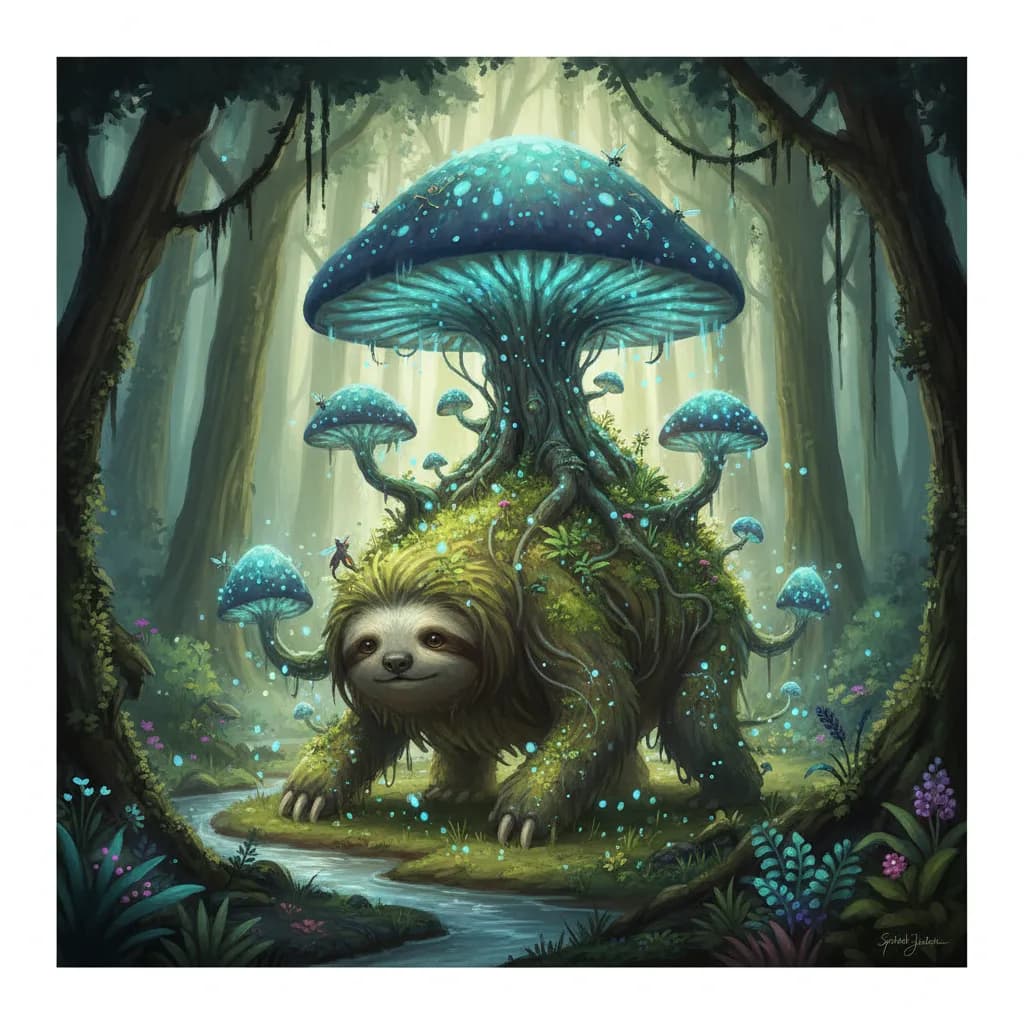
Cheat Sheet
- Definition: a close, long-term association between two different species.
- Coined: the term was introduced by German botanist Anton de Bary in 1879, originally including all close associations.
- Three classic types: mutualism (both benefit), commensalism (one benefits, the other is unaffected), parasitism (one benefits at the other's expense).
- Coral: reef-building corals get much of their energy from algae (zooxanthellae) living inside their tissues.
- Fungal partners: about 90 percent of land plants form mycorrhizal partnerships with fungi that help them absorb nutrients.
- Origin of complex cells: Lynn Margulis's 1967 endosymbiotic theory says mitochondria and chloroplasts began as free-living bacteria.
The 60-Second Version
Symbiosis means different species living in close, lasting association. People often use the word for friendly partnerships, but biologists include parasitism too, and many relationships fall somewhere between. In mutualism, both partners gain: bees get nectar, flowers get pollinated, and corals provide shelter to algae that feed them in return. In commensalism, one benefits while the other is largely unaffected, as when barnacles ride on a whale. In parasitism, one species benefits by harming the other. These relationships can shift with conditions. Symbiosis has also shaped evolution: according to the leading theory, the mitochondria in our cells began as bacteria that took up residence in an ancestral cell billions of years ago.
The Long Version
A Spectrum, Not a Box
Textbook categories are useful but blurry. A bacterium that helps its host in a healthy gut might cause infection elsewhere. Oxpeckers perch on large mammals, eating ticks, but also pick at wounds. Whether a relationship is helpful depends on the costs and benefits for each partner and on the environment. Ecologists therefore describe many interactions as lying on a continuum from beneficial to harmful.
Famous Partnerships
Clownfish live among the stinging tentacles of sea anemones, protected from predators, while chasing away fish that would eat the anemone and fertilizing it with their waste. Cleaner wrasse set up "stations" where larger fish let them remove parasites. Lichens, which cover rocks and trees, are partnerships between fungi and algae or cyanobacteria. Leafcutter ants farm a fungus they feed with chewed leaves and that feeds them. Legumes such as beans house nitrogen-fixing bacteria in root nodules, enriching soil.
Inside Us
The human body hosts trillions of microbes, many in the gut, that help digest fiber, make vitamins, train the immune system, and keep harmful microbes in check. Disruptions, for example by antibiotics, can have consequences. Researchers are studying how the microbiome influences health, though many popular claims run ahead of the evidence. Similar partnerships appear throughout animals: aphids rely on bacteria for amino acids, and termites depend on gut microbes to digest wood.
Big Evolutionary Leaps
In the 1960s, Lynn Margulis championed the idea that mitochondria and chloroplasts originated when one cell engulfed another and the two became permanent partners. Evidence includes that these organelles have their own DNA, resembling bacterial DNA, and divide independently. This endosymbiosis made possible complex cells, and thus plants, animals, and fungi. It shows that evolution isn't only competition: cooperation can create new kinds of life.
When Partnerships Break Down
Corals expel their algae when stressed by high water temperatures, causing bleaching. If conditions don't improve, the coral can starve and die. Mass bleaching events have hit reefs worldwide, including the Great Barrier Reef. Similarly, declines of pollinators threaten crops and wild plants. Because so many species rely on partners, losing one can cascade through an ecosystem.
Why People Care
Symbiosis changes how we see the living world: less a battlefield, more a web of dependencies. It matters for farming, medicine, conservation, and for understanding where our own cells came from.
Glossary
- Mutualism
- A relationship in which both species benefit, such as bees and flowering plants.
- Commensalism
- A relationship in which one species benefits and the other is largely unaffected.
- Parasitism
- A relationship in which one species feeds on or harms another host.
- Endosymbiosis
- A symbiosis in which one organism lives inside the cells or body of another.
- Mycorrhiza
- A partnership between a fungus and the roots of a plant.
Go Deeper
More to Explore
- Octopuses and Cephalopods
Eight arms, three hearts, blue blood, and a skin that doubles as a mood ring and a disguise kit.
- Mammals
If you have fur, milk, or a cat, you are in the club, and so is a blue whale.
- Wolves
Every dog you have ever met descends from a wolf, but wolves are far more than ancestors.
- Sharks
Sharks are older than trees, and the vast majority are no threat to people.
- Hibernation
Some animals handle winter by nearly switching themselves off.