Seasonal Color Analysis
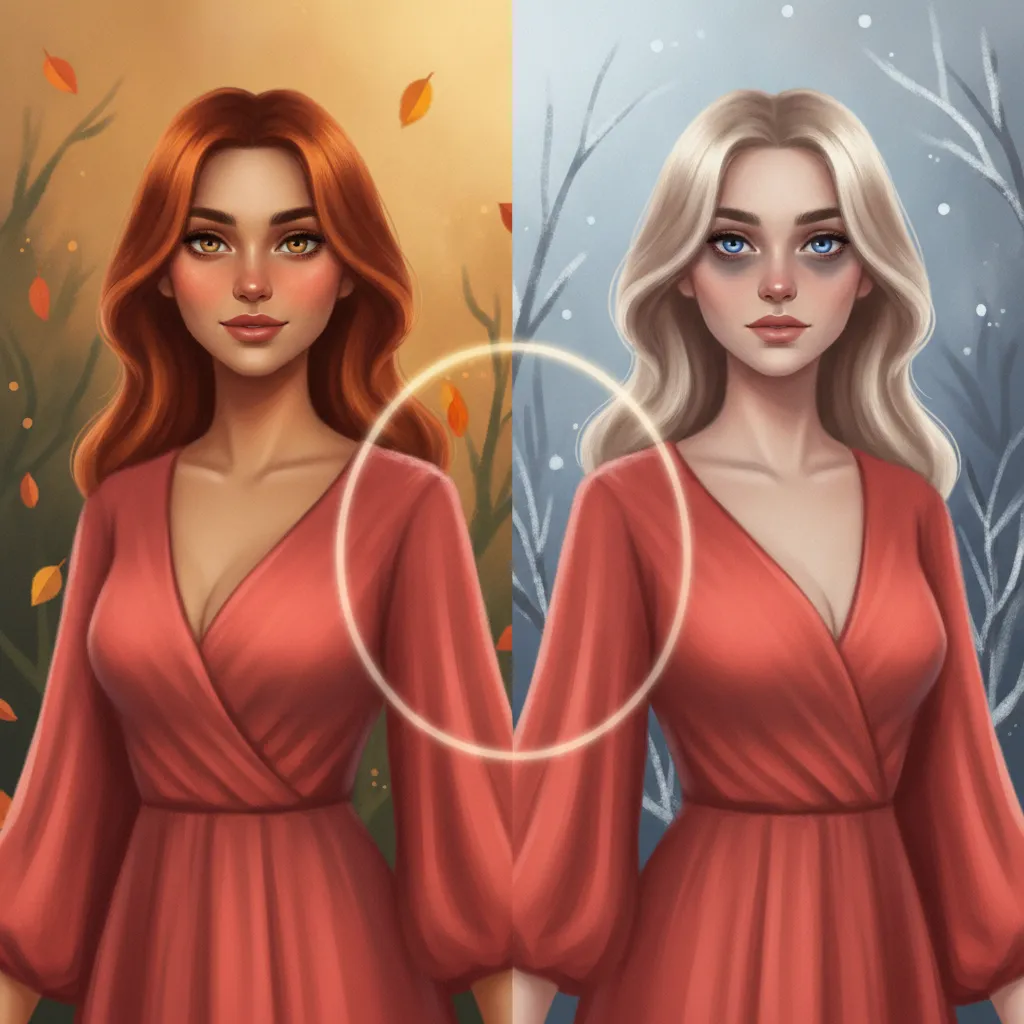
The same shade of red can make one person's complexion glow and make another's look noticeably washed out — seasonal color analysis exists entirely to explain why.
Cheat Sheet
- Seasonal color analysis is a system that categorizes a person's natural coloring, including skin undertone, hair, and eye color, into one of several groups, traditionally named after the four seasons, to identify flattering clothing colors.
- The original four-season framework has since been expanded by many stylists into twelve more specific subcategories, each capturing finer distinctions in undertone, contrast, and depth.
- A core concept in the system is skin undertone, generally categorized as warm, cool, or neutral, which significantly influences which colors tend to complement a person's complexion.
- Proponents argue that wearing colors aligned with one's seasonal palette can make skin appear more even-toned and eyes appear brighter, while poorly matched colors can make a complexion look duller or more tired.
- The method has surged in popularity multiple times over recent decades, most recently amplified by social media trends showcasing dramatic 'color analysis' before-and-after style comparisons.
- Critics note that seasonal color analysis is a subjective styling framework rather than a scientifically validated system, and that personal preference and confidence in an outfit matter just as much as strict palette adherence.
The 60-Second Version
Seasonal color analysis is a system that categorizes a person's natural coloring, including skin undertone, hair, and eye color, into one of several groups, traditionally named after the four seasons, to identify flattering clothing colors. The original four-season framework has since been expanded by many stylists into twelve more specific subcategories, each capturing finer distinctions in undertone, contrast, and depth. A core concept in the system is skin undertone, generally categorized as warm, cool, or neutral, which significantly influences which colors tend to complement a person's complexion. Proponents argue that wearing colors aligned with one's seasonal palette can make skin appear more even-toned and eyes appear brighter, while poorly matched colors can make a complexion look duller or more tired. The method has surged in popularity multiple times over recent decades, most recently amplified by social media trends showcasing dramatic "color analysis" before-and-after style comparisons. Critics note that seasonal color analysis is a subjective styling framework rather than a scientifically validated system, and that personal preference and confidence in an outfit matter just as much as strict palette adherence.
The Long Version
Sorting Coloring Into Categories
Seasonal color analysis is a system that categorizes a person's natural coloring, including skin undertone, hair color, and eye color, into one of several groups, traditionally named after the four seasons, spring, summer, autumn, and winter, specifically to help identify which clothing colors are most likely to be flattering.
From Four Seasons to Twelve
The original four-season framework has since been expanded by many professional stylists into a twelve-season system, dividing each original season into more specific subcategories that capture finer distinctions in undertone, overall contrast, and color depth, allowing for considerably more precise recommendations than the broader original four groups.
The Central Role of Undertone
A core concept underlying the entire system is skin undertone, generally categorized as warm, cool, or neutral, which significantly influences which colors tend to genuinely complement a given complexion, since a color that flatters a warm undertone can look noticeably different, and sometimes far less flattering, against a cool undertone.
The Visible Effect of the Right Colors
Proponents of the method argue that wearing colors aligned with one's identified seasonal palette can make skin appear more even-toned and eyes appear noticeably brighter, while colors poorly matched to that same palette can conversely make a complexion look duller, more tired, or less healthy by comparison.
A Trend That Keeps Resurfacing
The method has surged in popularity multiple times over recent decades, dating back to bestselling style guides in the 1980s, and most recently amplified again by social media trends showcasing dramatic "color analysis" before-and-after style comparisons to large audiences. Critics of the system do note, however, that seasonal color analysis remains a subjective styling framework rather than a scientifically validated one, and that personal preference and genuine confidence in an outfit matter just as much to how someone actually looks and feels as strict adherence to an assigned palette.
Ad slot (placeholder — set NEXT_PUBLIC_ADSENSE_SLOT_ID once an ad unit is created)
Why People Care
Seasonal color analysis offers a structured, approachable starting point for anyone unsure which colors actually suit them, while understanding its subjective limits helps keep the system a useful styling tool rather than a rigid set of rules.
Glossary
- Skin undertone
- The underlying hue beneath the skin's surface color, generally categorized as warm, cool, or neutral, central to seasonal color analysis.
- Seasonal palette
- A group of colors identified as complementary to a person's natural coloring, named after one of the four seasons in the original framework.
- Twelve-season system
- An expanded version of seasonal color analysis dividing the original four seasons into twelve more specific subcategories.
- Contrast level
- The degree of difference between a person's skin, hair, and eye color, a factor considered alongside undertone in more detailed color analysis systems.
- Color draping
- A technique used in color analysis consultations, holding different colored fabrics near the face to observe their visual effect.
Go Deeper
- Color Me Beautiful, by Carole Jackson
- Vogue — What Is Seasonal Color Analysis?
More to Explore
- Dressing for Your Body Type
Most body-type styling advice boils down to one simple idea repeated in different words: proportion and fit matter far more than the specific shape label attached to a body.
- Personal Style Archetypes
Most personal style quizzes sort people into a single tidy category — but most people's real closets are actually a genuine blend of two or three different archetypes at once.
- Building a Capsule Wardrobe
A wardrobe strategy built around a deliberately counterintuitive idea: owning fewer clothes, chosen carefully, can actually give you more usable outfit combinations than a much larger, uncoordinated closet.
- Accessorizing
One of fashion's most enduring pieces of styling advice boils down to a single instruction: look in the mirror before you leave, and take one thing off.
- The History of Denim
Blue jeans started life as reinforced pants for gold miners, and it took nearly a century before anyone thought to sell them as fashion rather than pure workwear.