Building a Capsule Wardrobe
A capsule wardrobe bets that fewer, carefully chosen clothes beat a huge closet of pieces that never quite go together.
By Greg Goodwin · Published July 4, 2026 · Updated October 24, 2026
Cheat Sheet
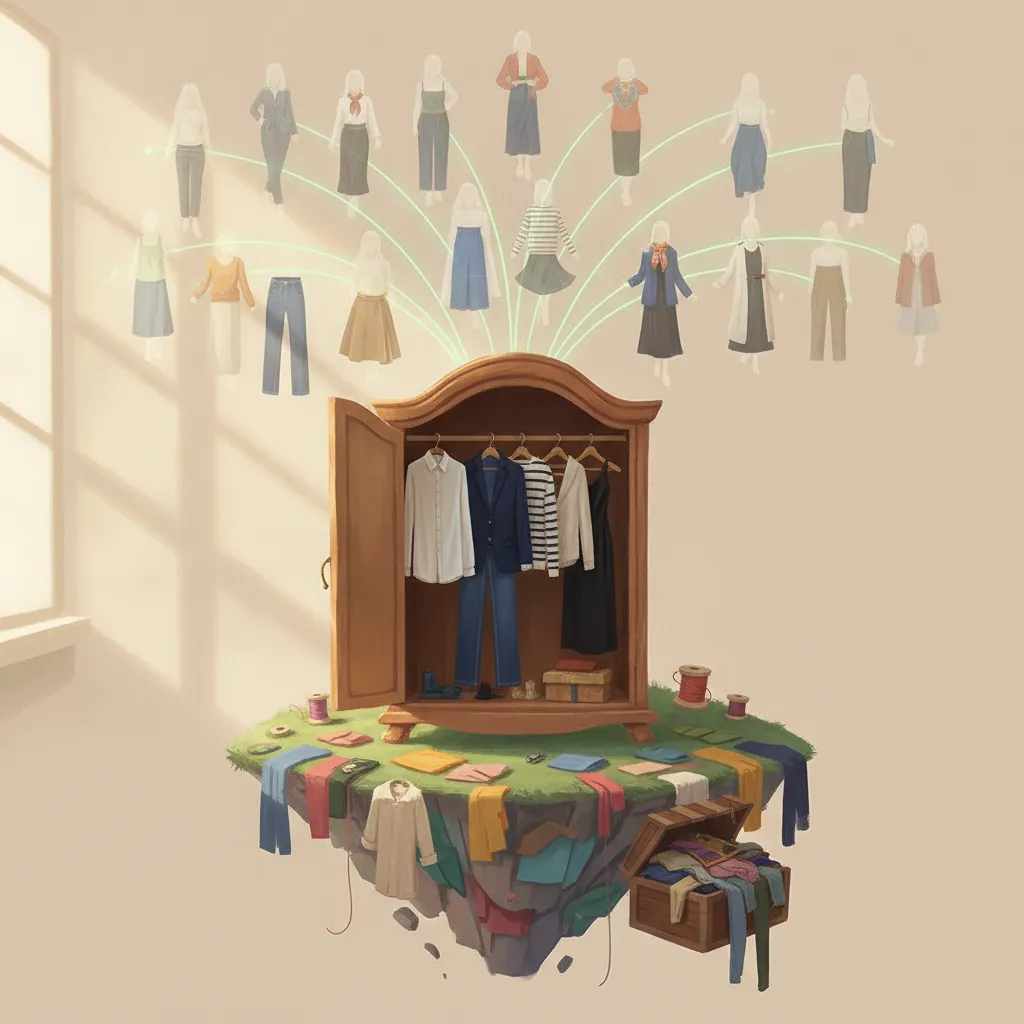
- A capsule wardrobe is a deliberately limited, carefully curated collection of clothing designed so that most pieces can be mixed and matched to create a wide range of outfits.
- Choosing a cohesive base color palette, allowing most pieces to coordinate with one another, is a foundational principle behind building an effective capsule wardrobe.
- Prioritizing versatile, higher-quality basics over trend-driven pieces is a commonly recommended approach, since versatile items tend to remain wearable and stylistically relevant across a considerably longer period of time.
- The specific number of items in a capsule wardrobe varies considerably by individual preference and lifestyle, with some proponents suggesting a range as narrow as 30 to 40 pieces total, though this is a flexible guideline rather than a strict rule.
- A capsule wardrobe approach can reduce daily decision fatigue around clothing choices, since a smaller, well-coordinated set of options simplifies the process of assembling a complete outfit.
- Building a capsule wardrobe is often cited as a more sustainable approach to personal style, since it generally encourages purchasing fewer, longer-lasting pieces rather than frequently rotating through disposable fast-fashion items.
The 60-Second Version
A capsule wardrobe is a deliberately limited, carefully curated collection of clothing designed so that most pieces can be mixed and matched to create a wide range of outfits. Choosing a cohesive base color palette, allowing most pieces to coordinate with one another, is a foundational principle behind building an effective capsule wardrobe. Prioritizing versatile, higher-quality basics over trend-driven pieces is a commonly recommended approach, since versatile items tend to remain wearable and stylistically relevant across a considerably longer period of time. The specific number of items in a capsule wardrobe varies considerably by individual preference and lifestyle, with some proponents suggesting a range as narrow as 30 to 40 pieces total, though this is a flexible guideline rather than a strict rule. A capsule wardrobe approach can reduce daily decision fatigue around clothing choices, since a smaller, well-coordinated set of options simplifies the process of assembling a complete outfit. Building a capsule wardrobe is often cited as a more sustainable approach to personal style, since it generally encourages purchasing fewer, longer-lasting pieces rather than frequently rotating through disposable fast-fashion items.
The Long Version
The Foundational Principle of a Cohesive Palette
Choosing a cohesive base color palette, a coordinated set of core colors chosen deliberately so that most wardrobe pieces can pair well with one another, is a foundational principle behind building an effective capsule wardrobe, since a scattered mix of unrelated colors significantly limits how many genuinely wearable outfit combinations a given set of clothing can actually produce.
Versatility Over Trends
Prioritizing versatile, higher-quality basics over more trend-driven pieces is a commonly recommended approach when building a capsule wardrobe, since genuinely versatile items tend to remain both stylistically relevant and physically durable across a considerably longer period of time than trend-specific pieces, which often fall out of fashion or wear out considerably faster relative to their cost.
There's No Single Magic Number
The specific number of items considered ideal for a capsule wardrobe varies considerably by individual preference, climate, and lifestyle needs, with some proponents suggesting a relatively narrow range of 30 to 40 total pieces, though this figure functions as a flexible general guideline rather than a strict universal rule, since the right number ultimately depends on a given person's specific daily activities and climate.
Less Decision Fatigue, More Sustainability
A capsule wardrobe approach can meaningfully reduce daily decision fatigue around clothing choices, since a smaller, deliberately coordinated set of options considerably simplifies the process of assembling a complete, put-together outfit compared to navigating a much larger, less cohesive closet. This same approach is also frequently cited as a more sustainable path to personal style, since it generally encourages purchasing fewer, longer-lasting pieces rather than frequently rotating through inexpensive, shorter-lived fast-fashion items.
Why People Care
Building a capsule wardrobe offers a genuinely practical framework for simplifying daily clothing decisions while also encouraging more sustainable, higher-quality purchasing habits, making it a popular and increasingly mainstream approach to thinking about personal style.
Glossary
- Capsule wardrobe
- A deliberately limited, carefully curated clothing collection designed so most pieces can be mixed and matched into a wide range of outfits.
- Base color palette
- A cohesive, coordinated set of core colors chosen to allow most capsule wardrobe pieces to pair well with one another.
- Versatile basics
- Clothing pieces designed to remain stylistically relevant and wearable across a long period, prioritized in capsule wardrobe building.
- Decision fatigue (clothing)
- The mental effort of choosing an outfit from a larger, less coordinated wardrobe, which a capsule wardrobe approach aims to reduce.
- Fast fashion
- Inexpensive, rapidly produced clothing designed to follow short-term trends, generally minimized under a capsule wardrobe approach.
Go Deeper
More to Explore
- Seasonal Color Analysis
Seasonal color analysis sorts people into palettes named for the four seasons, to explain why one red flatters and another washes you out.
- Dressing for Your Body Type
Body-type styling advice mostly boils down to proportion and fit, which matter far more than whatever shape label you were handed.
- Personal Style Archetypes
Style quizzes love one tidy label, but most real wardrobes blend elements of two or more archetypes.
- Accessorizing
One of fashion's most enduring pieces of styling advice boils down to a single instruction: look in the mirror before you leave, and take one thing off.
- Synthetic Fibers
Cotton lost its crown in the early 2000s: the world's most widely produced fiber is now polyester, made by chemistry, not farming.