Personal Style Archetypes
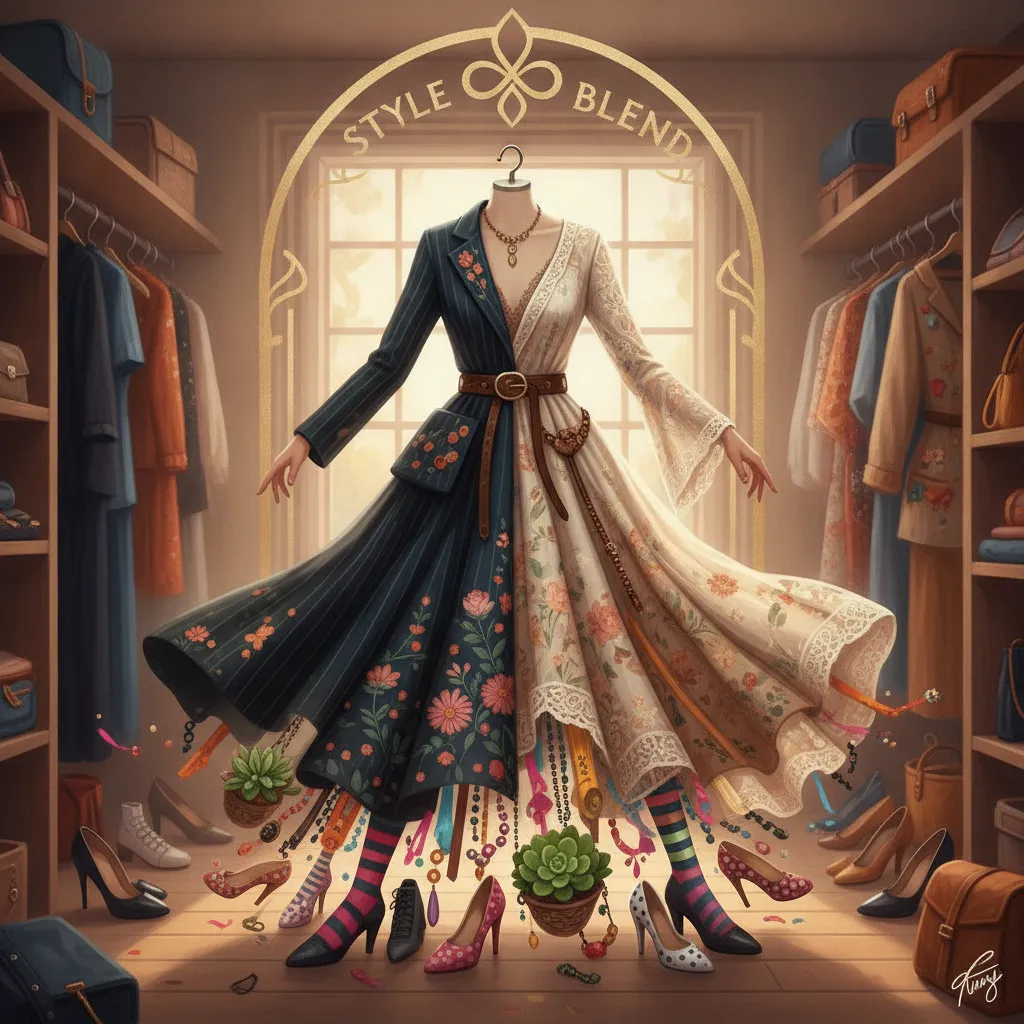
Style quizzes love one tidy label, but most real wardrobes blend elements of two or more archetypes.
By Greg Goodwin · Published July 4, 2026 · Updated October 24, 2026
Cheat Sheet
- Personal style archetypes are broad, commonly referenced categories, such as "classic," "bohemian," or "minimalist," used as a starting framework for identifying and describing an individual's general clothing preferences and aesthetic.
- Style archetype frameworks are generally intended as flexible starting reference points rather than rigid categories, and most people's actual personal style draws on elements from more than one archetype simultaneously.
- Classic style is typically characterized by timeless, well-tailored pieces in neutral colors, generally avoiding overtly trend-driven elements in favor of longevity and versatility.
- Bohemian style typically draws on flowing silhouettes, natural fabrics, and eclectic patterns, often associated with a relaxed, artistic, and less formally structured aesthetic sensibility.
- Style archetype quizzes and frameworks have become a popular starting tool in both personal styling services and broader fashion retail marketing, helping simplify an otherwise overwhelming range of clothing options into a more manageable starting point.
- Critics of overly rigid style archetype systems note that real personal style tends to evolve over time and rarely fits neatly and permanently into a single fixed category.
The 60-Second Version
Personal style archetypes are broad, commonly referenced categories, such as "classic," "bohemian," or "minimalist," used as a starting framework for identifying and describing an individual's general clothing preferences and aesthetic. Style archetype frameworks are generally intended as flexible starting reference points rather than rigid categories, and most people's actual personal style draws on elements from more than one archetype simultaneously. Classic style is typically characterized by timeless, well-tailored pieces in neutral colors, generally avoiding overtly trend-driven elements in favor of longevity and versatility. Bohemian style typically draws on flowing silhouettes, natural fabrics, and eclectic patterns, often associated with a relaxed, artistic, and less formally structured aesthetic sensibility. Style archetype quizzes and frameworks have become a popular starting tool in both personal styling services and broader fashion retail marketing, helping simplify an otherwise overwhelming range of clothing options into a more manageable starting point. Critics of overly rigid style archetype systems note that real personal style tends to evolve over time and rarely fits neatly and permanently into a single fixed category.
The Long Version
A Starting Framework, Not a Rigid Box
Personal style archetype frameworks, using broad categories like "classic," "bohemian," or "minimalist" to describe general clothing preferences and aesthetic sensibilities, are generally intended as flexible starting reference points rather than rigid, mutually exclusive categories, since most people's actual personal style draws on elements from more than one archetype simultaneously rather than fitting neatly into just one.
What Defines the Classic Archetype
Classic style is typically characterized by timeless, well-tailored pieces in neutral colors, generally avoiding overtly trend-driven elements in favor of longevity and broad versatility, an aesthetic sensibility that prioritizes pieces that remain stylistically relevant across many years rather than following short-term fashion cycles.
What Defines the Bohemian Archetype
Bohemian style, by contrast, typically draws on flowing silhouettes, natural fabrics, and eclectic mixed patterns, reflecting a considerably more relaxed, artistic, and less formally structured aesthetic sensibility, illustrating just how differently two style archetypes can approach the basic goals of comfort, self-expression, and visual coherence.
Quizzes as a Simplifying Tool, With Real Limits
Style archetype quizzes and frameworks have become a popular starting tool in both professional personal styling services and broader fashion retail marketing, helping simplify an otherwise overwhelming range of clothing options into a considerably more manageable starting point for someone figuring out their preferences. At the same time, critics of overly rigid archetype systems reasonably note that real personal style tends to evolve meaningfully over time and rarely fits neatly and permanently into a single fixed category, making these frameworks most useful as a flexible starting point rather than a final, unchanging label.
Why People Care
Personal style archetypes offer a genuinely useful simplifying framework for beginning to understand and articulate personal clothing preferences, while recognizing their real limits helps avoid feeling unnecessarily boxed into a single rigid category that doesn't capture the full range of most people's actual taste.
Glossary
- Classic style
- A style archetype characterized by timeless, well-tailored pieces in neutral colors, favoring longevity and versatility over trends.
- Bohemian style
- A style archetype characterized by flowing silhouettes, natural fabrics, and eclectic patterns, associated with a relaxed, artistic sensibility.
- Style quiz
- A common tool, often used in personal styling or retail marketing, helping individuals identify a starting style archetype based on their preferences.
- Aesthetic sensibility
- The broader visual and cultural mood a style archetype reflects, beyond just specific clothing items.
- Style evolution
- The way an individual's personal style naturally changes and develops over time, rather than remaining fixed in a single archetype.
Go Deeper
More to Explore
- Seasonal Color Analysis
Seasonal color analysis sorts people into palettes named for the four seasons, to explain why one red flatters and another washes you out.
- Dressing for Your Body Type
Body-type styling advice mostly boils down to proportion and fit, which matter far more than whatever shape label you were handed.
- Building a Capsule Wardrobe
A capsule wardrobe bets that fewer, carefully chosen clothes beat a huge closet of pieces that never quite go together.
- Accessorizing
One of fashion's most enduring pieces of styling advice boils down to a single instruction: look in the mirror before you leave, and take one thing off.
- Synthetic Fibers
Cotton lost its crown in the early 2000s: the world's most widely produced fiber is now polyester, made by chemistry, not farming.