Country Music
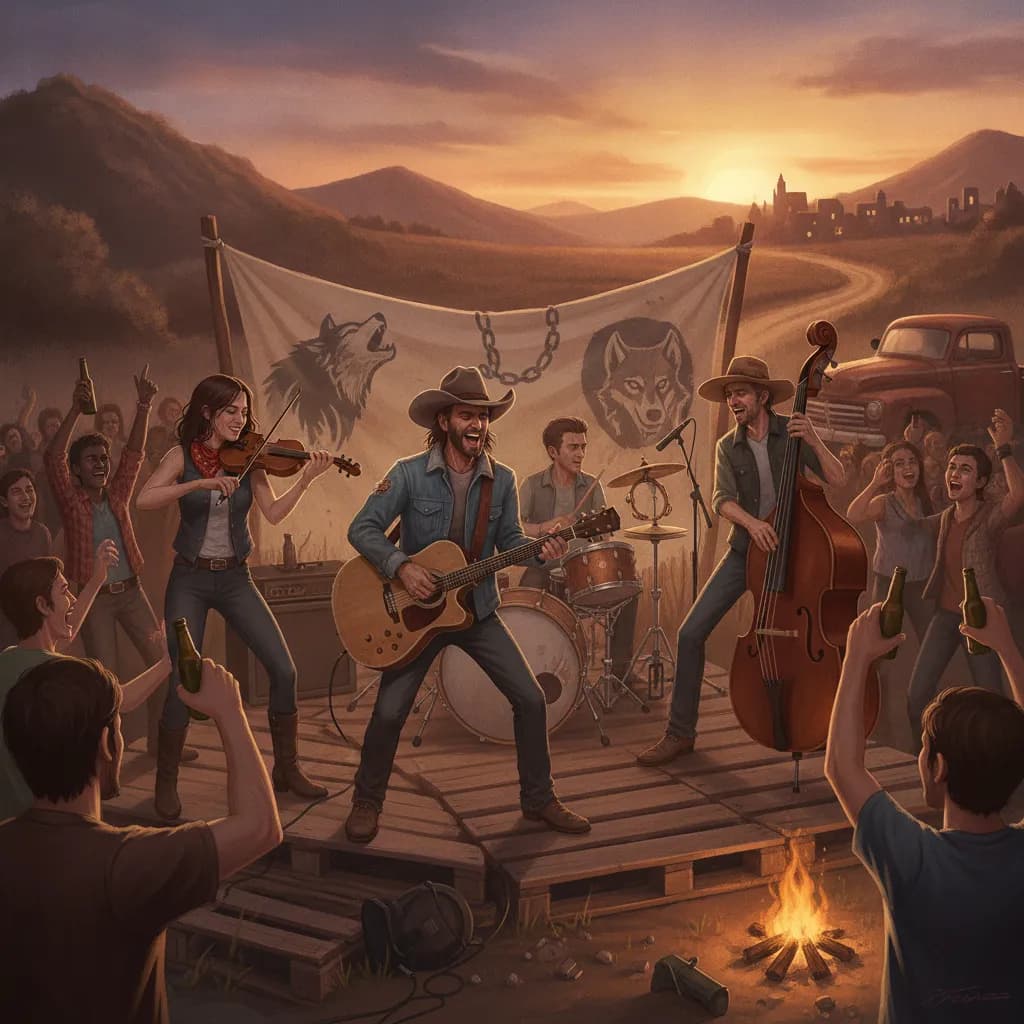
Country's "outlaw" rebels weren't rejecting the genre, just Nashville's polished, studio-controlled way of making it.
By Greg Goodwin · Published October 3, 2026 · Updated October 24, 2026
Cheat Sheet
- Traces its roots to 1920s Appalachian folk, blues, and gospel traditions, with the 1927 'Bristol Sessions' recordings often cited as a founding moment.
- The Grand Ole Opry, a live radio broadcast launched in Nashville in 1925, became country music's most iconic institution and helped establish Nashville as the genre's capital.
- 'Outlaw country' emerged in the 1970s (Willie Nelson, Waylon Jennings) as a reaction against Nashville's polished, studio-controlled production style.
- Modern mainstream country has increasingly blended with pop and rock production, a trend some fans and critics describe as controversial 'bro-country' or crossover dilution.
- Themes of rural life, heartbreak, hard work, and patriotism recur heavily across the genre's history, though subject matter has diversified significantly in recent decades.
- Country music has launched some of the best-selling solo artists in American music history, reflecting its enormous and enduring commercial scale.
The 60-Second Version
Country music traces its roots to 1920s Appalachian folk, blues, and gospel traditions, with the 1927 "Bristol Sessions" recordings often cited by historians as a founding moment when the genre first took shape as a distinct, commercially recorded form. The Grand Ole Opry, a live radio broadcast launched in Nashville in 1925, became country music's most iconic institution over the following decades, and its enduring popularity helped establish Nashville itself as the genre's permanent creative and commercial capital. By the 1970s, a movement known as "outlaw country," associated with artists like Willie Nelson and Waylon Jennings, emerged specifically as a reaction against Nashville's polished, studio-controlled production style, with these artists pushing for more creative control over their own recordings. In more recent decades, modern mainstream country has increasingly blended with pop and rock production techniques, a trend some fans and critics describe, often pejoratively, as "bro-country" or crossover dilution that strays too far from the genre's traditional sound. Despite these stylistic shifts, themes of rural life, heartbreak, hard work, and patriotism have recurred heavily across the genre's entire history, though the range of subject matter explored by country artists has diversified significantly in recent decades beyond these traditional touchstones. Commercially, country music has launched some of the best-selling solo artists in all of American music history, reflecting the genre's enormous and remarkably enduring commercial scale across nearly a century.
The Long Version
Appalachian Roots and a Founding Recording Session
Country music traces its roots to 1920s Appalachian folk, blues, and gospel traditions, with the 1927 "Bristol Sessions" recordings often cited by historians as a founding moment when the genre first took shape as a distinct, commercially recorded form, blending older oral folk traditions with the emerging recording industry.
A Radio Broadcast That Built a Capital City's Identity
The Grand Ole Opry, a live radio broadcast launched in Nashville in 1925, became country music's most iconic institution over the following decades, and its enduring popularity helped establish Nashville itself as the genre's permanent creative and commercial capital, a status the city still holds today.
Pushing Back Against the Studio System
By the 1970s, a movement known as "outlaw country," associated with artists like Willie Nelson and Waylon Jennings, emerged specifically as a reaction against Nashville's polished, studio-controlled production style, with these artists pushing for greater creative control over their own recordings rather than accepting the industry's standard commercial formula.
A Genre Blending With Pop and Rock
In more recent decades, modern mainstream country has increasingly blended with pop and rock production techniques, a trend some fans and critics describe, often pejoratively, as "bro-country" or crossover dilution that strays too far from the genre's traditional instrumentation and sound, a debate that continues actively within the country music community today.
Enduring Themes, Enduring Commercial Scale
Despite these stylistic shifts, themes of rural life, heartbreak, hard work, and patriotism have recurred heavily across the genre's entire history, though the range of subject matter explored by country artists has diversified significantly in recent decades beyond these traditional touchstones. Commercially, country music has launched some of the best-selling solo artists in all of American music history, reflecting the genre's enormous and remarkably enduring commercial scale across nearly a century.
Why People Care
Country music's blend of deep traditional roots and constant commercial evolution makes it one of the most dynamic genres in American popular music, and understanding its internal tensions, between tradition and crossover, authenticity and commercial polish, explains the genre's recurring public debates about what actually counts as "real" country.
Glossary
- Bristol Sessions
- A set of 1927 recordings often cited as a founding moment of commercial country music.
- Grand Ole Opry
- A live radio broadcast launched in Nashville in 1925, country music's most iconic institution.
- Outlaw country
- A 1970s subgenre, associated with artists like Willie Nelson and Waylon Jennings, reacting against Nashville's polished production style.
- Bro-country
- A controversial, informal label for a commercially dominant, pop/rock-influenced mainstream country style of recent decades.
- Nashville sound
- A polished, orchestrated production style that became commercially dominant in country music starting in the 1950s-60s.
Go Deeper
- Country Music Hall of Fame and Museum
- Country Music, Ken Burns documentary series
More to Explore
- Blues
Three chords, twelve bars, and a bad day: the recipe that ended up underneath almost everything you hear on the radio.
- Electronic Dance Music (EDM)
Before "EDM" became a festival-sized brand, Black and queer DJs were building its sound in underground clubs.
- Reggae
Reggae's signature move is stressing the offbeat, the very beat most other popular music glosses over.
- Punk
A genre whose entire founding philosophy was that you didn't need to be good at your instrument to start a band — you just needed something to say.
- Hip-Hop
A genre born from DJs looping the same ten seconds of a record over and over — now the single most-streamed music genre in America.