Fashion Supply Chains
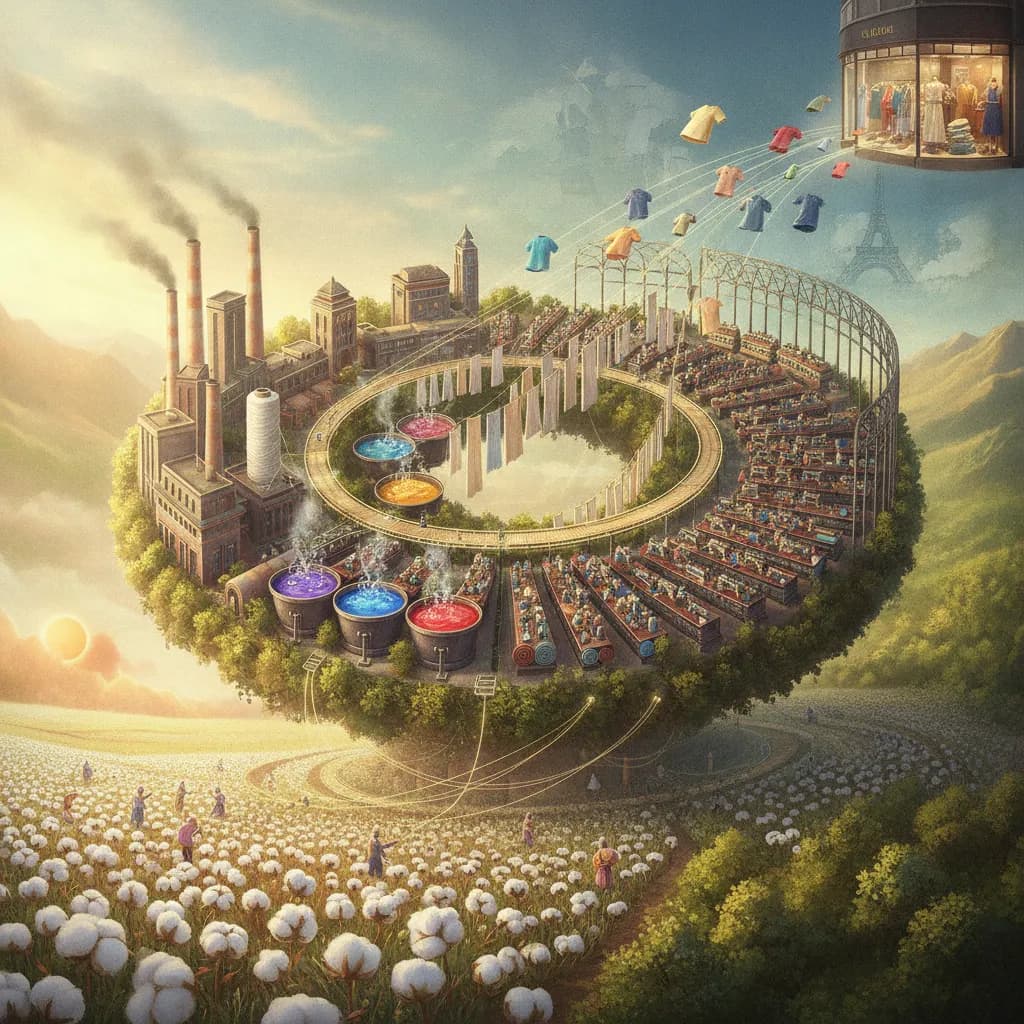
A single T-shirt might pass through cotton fields, spinning mills, dye houses, and sewing factories across three or four different countries before it ever reaches a store shelf.
Cheat Sheet
- A fashion supply chain covers every stage a garment passes through, from raw material sourcing and textile production to manufacturing, distribution, and eventually retail.
- Most global apparel manufacturing takes place in countries with lower labor costs, a structure that has made clothing more affordable but has also drawn significant scrutiny over labor conditions.
- Fast fashion supply chains are built for speed, sometimes moving a garment from design concept to store shelf in a matter of weeks rather than the many months traditional supply chains once required.
- Supply chain transparency, meaning how openly a brand discloses its manufacturing partners and practices, has become an increasingly significant factor in consumer purchasing decisions and brand reputation.
- A single garment often passes through multiple countries during production, with raw materials, spinning, weaving, dyeing, and assembly frequently each happening in different locations.
- Supply chain disruptions, such as those from pandemics or shipping bottlenecks, can have outsized effects on the fashion industry given how tightly timed and globally dispersed its production processes typically are.
The 60-Second Version
A fashion supply chain covers every stage a garment passes through, from raw material sourcing and textile production to manufacturing, distribution, and eventually retail. Most global apparel manufacturing takes place in countries with lower labor costs, a structure that has made clothing more affordable but has also drawn significant scrutiny over labor conditions. Fast fashion supply chains are built for speed, sometimes moving a garment from design concept to store shelf in a matter of weeks rather than the many months traditional supply chains once required. Supply chain transparency, meaning how openly a brand discloses its manufacturing partners and practices, has become an increasingly significant factor in consumer purchasing decisions and brand reputation. A single garment often passes through multiple countries during production, with raw materials, spinning, weaving, dyeing, and assembly frequently each happening in different locations. Supply chain disruptions, such as those from pandemics or shipping bottlenecks, can have outsized effects on the fashion industry given how tightly timed and globally dispersed its production processes typically are.
The Long Version
From Raw Material to Retail Rack
A fashion supply chain covers every stage a garment passes through, beginning with raw material sourcing, moving through textile production, then garment manufacturing, and finally distribution and retail, a multi-stage process that is often far longer and more globally dispersed than most shoppers ever see reflected in a finished garment's price tag.
Why So Much Manufacturing Happens Where It Does
Most global apparel manufacturing takes place in countries offering significantly lower labor costs, a structural reality that has made clothing dramatically more affordable for consumers worldwide over recent decades, but one that has also drawn significant, sustained scrutiny over the labor conditions workers face within many of these manufacturing hubs.
Speed as a Business Model
Fast fashion supply chains are specifically engineered for speed, sometimes moving a garment from initial design concept all the way to store shelf in a matter of weeks rather than the many months traditional fashion supply chains historically required, a compression that has reshaped consumer expectations around how quickly new styles should appear.
Transparency as a Growing Expectation
Supply chain transparency, meaning how openly a brand discloses information about its manufacturing partners and labor practices, has become an increasingly significant factor in both consumer purchasing decisions and overall brand reputation, as more shoppers actively seek out this information before deciding where to spend.
A Global, Fragile Process
A single garment often passes through multiple countries during its production, with raw material growing or extraction, spinning, weaving, dyeing, and final assembly frequently each happening in entirely different locations before the finished piece is shipped to its ultimate retail destination. This global dispersion is also precisely why supply chain disruptions, such as those triggered by pandemics or major shipping bottlenecks, can have outsized effects on the fashion industry specifically, given how tightly timed and interdependent its production processes typically are across so many different countries.
Ad slot (placeholder — set NEXT_PUBLIC_ADSENSE_SLOT_ID once an ad unit is created)
Why People Care
Understanding how a fashion supply chain actually works helps explain both why clothing has become so affordable and why so many of the industry's biggest controversies, from labor conditions to environmental impact, are rooted directly in how and where that clothing gets made.
Glossary
- Supply chain transparency
- How openly a fashion brand discloses information about its manufacturing partners, labor practices, and sourcing.
- Fast fashion
- A business model built around rapidly producing inexpensive clothing that closely follows current trends, requiring an especially fast supply chain.
- Textile production
- The stage of the fashion supply chain involving spinning, weaving, or knitting fibers into fabric before garment assembly.
- Labor conditions
- The working conditions and treatment of workers within a supply chain, a major area of scrutiny in the global apparel industry.
- Sourcing
- The process of selecting where and from whom raw materials or finished garments are obtained within a supply chain.
Go Deeper
More to Explore
- Fashion Influencers
That "gifted" outfit an influencer is casually wearing in a post is very often a carefully negotiated marketing deal, not a random personal choice.
- Luxury Brands
A surprisingly small handful of corporate conglomerates quietly own a huge share of the world's most recognizable luxury fashion names, all competing under separate brand identities.
- Fast Fashion
A business model built entirely around speed — getting a runway trend from design sketch to store shelf in a matter of weeks rather than the months fashion traditionally required.
- Fashion Weeks
The clothes on a fashion week runway are effectively a preview of what stores will actually sell roughly six months later — the show itself isn't the retail moment, it's the trailer.
- The History of Denim
Blue jeans started life as reinforced pants for gold miners, and it took nearly a century before anyone thought to sell them as fashion rather than pure workwear.