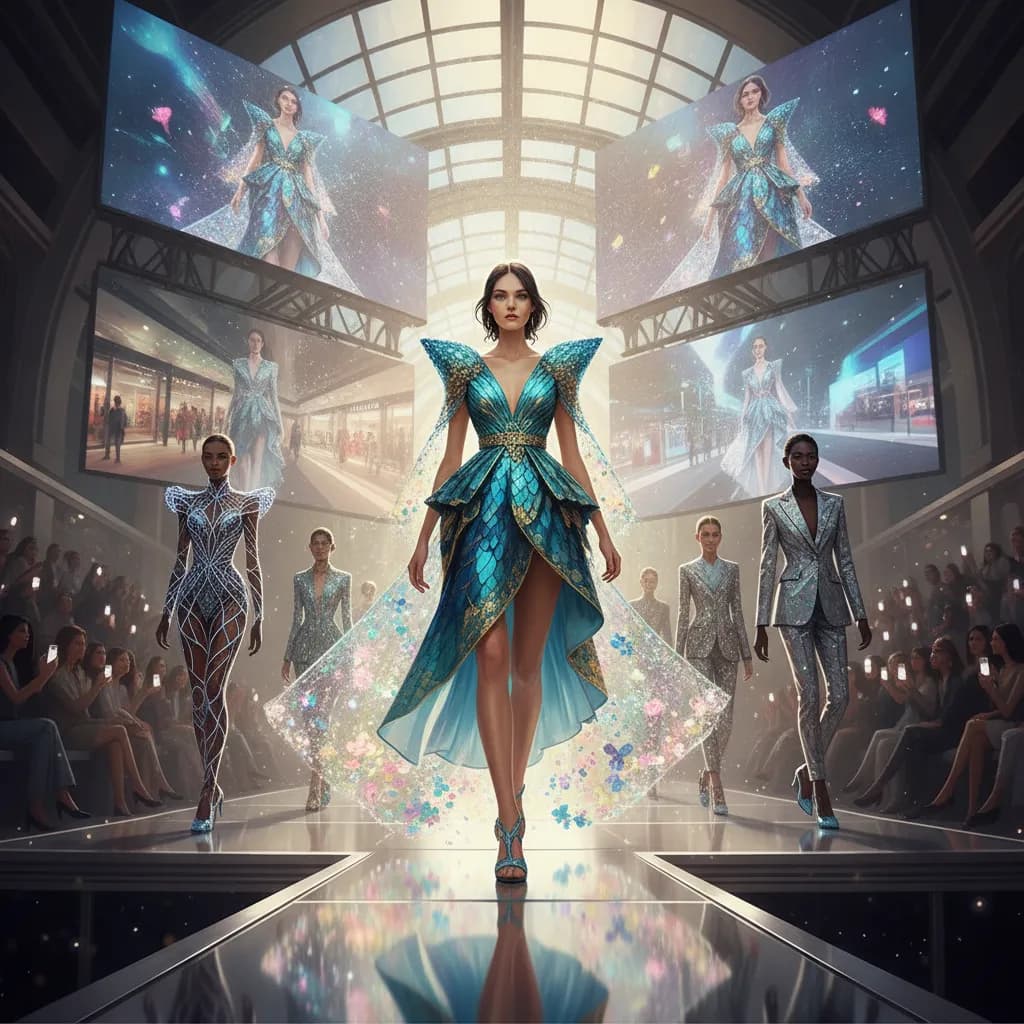
Fashion Weeks
The clothes on a fashion week runway are effectively a preview of what stores will actually sell roughly six months later — the show itself isn't the retail moment, it's the trailer.
Cheat Sheet
- Fashion weeks are recurring industry events where designers and fashion houses present their upcoming seasonal collections to buyers, media, and other industry professionals through runway shows.
- The "Big Four" fashion weeks — New York, London, Milan, and Paris — are widely considered the most prestigious and influential events in the global fashion calendar.
- Fashion weeks typically occur twice yearly for each major fashion capital, presenting collections roughly six months ahead of the actual retail season to allow sufficient time for manufacturing and distribution.
- Attendance at major runway shows is generally invitation-only, primarily reserved for retail buyers, journalists, and industry insiders rather than the general public.
- Fashion weeks serve a significant commercial function beyond runway presentation itself, including generating media coverage, securing retail buyer orders, and shaping broader seasonal trend narratives across the fashion industry.
- The rise of social media and live-streamed runway shows has significantly expanded public access to fashion week content, though actual physical attendance at shows generally remains tightly restricted to industry professionals.
The 60-Second Version
Fashion weeks are recurring industry events where designers and fashion houses present their upcoming seasonal collections to buyers, media, and other industry professionals through runway shows. The "Big Four" fashion weeks, New York, London, Milan, and Paris, are widely considered the most prestigious and influential events in the global fashion calendar. Fashion weeks typically occur twice yearly for each major fashion capital, presenting collections roughly six months ahead of the actual retail season to allow sufficient time for manufacturing and distribution. Attendance at major runway shows is generally invitation-only, primarily reserved for retail buyers, journalists, and industry insiders rather than the general public. Fashion weeks serve a significant commercial function beyond runway presentation itself, including generating media coverage, securing retail buyer orders, and shaping broader seasonal trend narratives across the fashion industry. The rise of social media and live-streamed runway shows has significantly expanded public access to fashion week content, though actual physical attendance at shows generally remains tightly restricted to industry professionals.
The Long Version
The Big Four's Outsized Influence
Among the many fashion weeks held around the world, the "Big Four," New York, London, Milan, and Paris, are widely considered the most prestigious and influential events in the global fashion calendar, with collections shown at these specific fashion weeks generally carrying the greatest weight in shaping broader industry trends and media coverage compared to fashion weeks held in other cities.
Why Runway Collections Show Up Six Months Early
Fashion weeks typically occur twice yearly for each major fashion capital, and collections are presented roughly six months ahead of their actual retail season availability, a substantial lead time deliberately built into the schedule to allow sufficient time for manufacturing, production, and distribution before the clothing actually reaches stores.
An Industry Event, Not a Public One
Attendance at major runway shows is generally invitation-only, primarily reserved for retail buyers who place wholesale orders on behalf of stores, journalists covering the collections for media outlets, and other industry insiders, rather than being open to the general public, reflecting fashion weeks' core function as a business and media event rather than a consumer-facing show.
More Than Just a Runway
Fashion weeks serve a significant commercial function well beyond the runway presentation itself, including generating substantial media coverage that shapes public perception of upcoming trends, securing crucial retail buyer orders that directly determine a collection's commercial success, and helping establish the broader seasonal trend narratives that ripple out across the wider fashion industry. The rise of social media and live-streamed runway shows has significantly expanded public access to fashion week content and imagery in recent years, even as actual physical attendance at the shows themselves generally remains tightly restricted to industry professionals.
Ad slot (placeholder — set NEXT_PUBLIC_ADSENSE_SLOT_ID once an ad unit is created)
Glossary
- Big Four (fashion weeks)
- New York, London, Milan, and Paris — widely considered the most prestigious and influential fashion weeks globally.
- Runway show
- A live presentation where models display a designer's upcoming collection, the central event format at fashion weeks.
- Buyer (fashion)
- A retail industry professional attending fashion week specifically to place wholesale orders for upcoming collections.
- Seasonal collection
- A designer's set of new clothing designs presented at fashion week, roughly six months ahead of actual retail availability.
- Trend narrative
- The broader seasonal fashion themes and directions that fashion weeks help establish and popularize across the industry.