Fashion Influencers
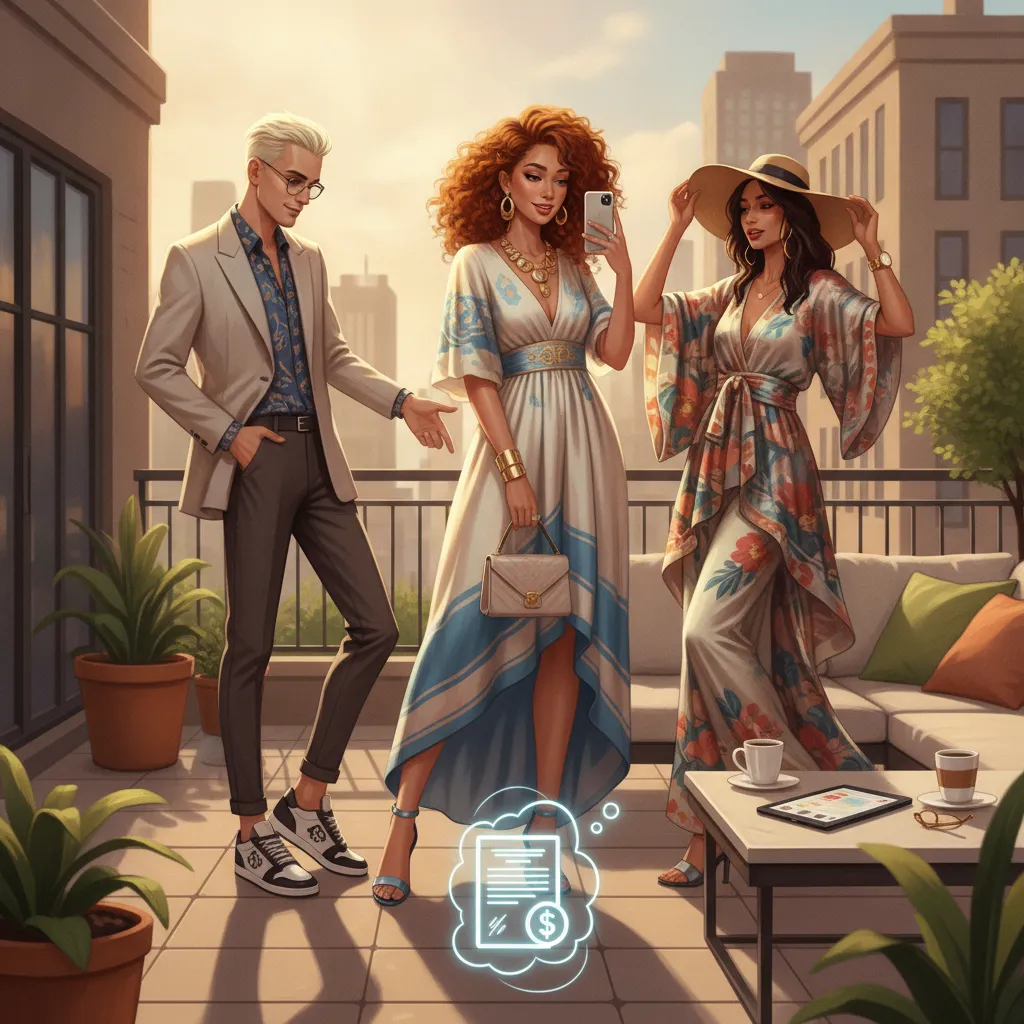
That "gifted" outfit an influencer is casually wearing in a post is very often a carefully negotiated marketing deal, not a random personal choice.
Cheat Sheet
- Fashion influencers are individuals who build an audience on social media around style content and then leverage that following to promote brands and products, often in exchange for payment or free merchandise.
- The rise of fashion influencers has meaningfully shifted marketing budgets and attention away from traditional fashion magazines and print advertising toward social media platforms.
- Influencer marketing partnerships range from large-scale, highly paid brand ambassadorships to smaller 'gifting' arrangements where an influencer receives free products in exchange for posting about them.
- Regulatory bodies in several countries now require influencers to clearly disclose paid partnerships and sponsored content, typically via hashtags like #ad or #sponsored.
- Micro-influencers, meaning those with smaller but highly engaged niche followings, are often valued by brands for generating stronger audience trust and engagement than some larger, more general influencers.
- The fashion influencer industry has faced ongoing criticism over promoting overconsumption and unrealistic standards, alongside its role in accelerating fast fashion trend cycles.
The 60-Second Version
Fashion influencers are individuals who build an audience on social media around style content and then leverage that following to promote brands and products, often in exchange for payment or free merchandise. The rise of fashion influencers has meaningfully shifted marketing budgets and attention away from traditional fashion magazines and print advertising toward social media platforms. Influencer marketing partnerships range from large-scale, highly paid brand ambassadorships to smaller "gifting" arrangements where an influencer receives free products in exchange for posting about them. Regulatory bodies in several countries now require influencers to clearly disclose paid partnerships and sponsored content, typically via hashtags like #ad or #sponsored. Micro-influencers, meaning those with smaller but highly engaged niche followings, are often valued by brands for generating stronger audience trust and engagement than some larger, more general influencers. The fashion influencer industry has faced ongoing criticism over promoting overconsumption and unrealistic standards, alongside its role in accelerating fast fashion trend cycles.
The Long Version
Building an Audience, Then Monetizing It
Fashion influencers are individuals who build an engaged audience on social media specifically around style content, then leverage that following to promote brands and products, typically in exchange for direct payment, free merchandise, or a combination of both, turning personal style content into a genuine business.
Reshaping Where Fashion Marketing Dollars Go
The rise of fashion influencers has meaningfully shifted marketing budgets and consumer attention away from traditional fashion magazines and print advertising toward social media platforms, reflecting a broader transformation in how brands reach potential customers and how those customers now discover new styles and products in the first place.
From Small Gifts to Major Ambassadorships
Influencer marketing partnerships span a considerable range, from large-scale, highly paid, and often long-term brand ambassadorships involving prominent influencers, down to smaller "gifting" arrangements where an influencer simply receives free products in exchange for posting about them, without any direct cash payment changing hands.
Disclosure Rules and the Rise of Micro-Influencers
Regulatory bodies in several countries now require influencers to clearly disclose paid partnerships and sponsored content, typically through visible hashtags like #ad or #sponsored, a response to growing concern that audiences couldn't otherwise easily distinguish genuine recommendations from paid promotion. Within this landscape, micro-influencers, meaning those with comparatively smaller but highly engaged, often niche followings, are frequently valued by brands specifically for generating stronger audience trust and engagement than some larger, more broadly followed influencers achieve.
A Model Facing Real Criticism
Despite its commercial success, the fashion influencer industry has faced ongoing, substantive criticism over its role in promoting overconsumption and sometimes unrealistic personal standards, alongside a more specific critique of its contribution to accelerating fast fashion's already rapid trend cycles even further.
Ad slot (placeholder — set NEXT_PUBLIC_ADSENSE_SLOT_ID once an ad unit is created)
Why People Care
Understanding how fashion influencer marketing actually works, including its financial incentives and disclosure requirements, makes it easier to view influencer content with an appropriately informed, critical eye rather than as purely organic personal recommendation.
Glossary
- Influencer marketing
- A marketing approach in which brands pay or provide products to individuals with social media followings in exchange for promotional content.
- Micro-influencer
- An influencer with a comparatively smaller but highly engaged, often niche, social media following.
- Sponsored content
- Social media posts created in exchange for payment or products, typically required to be disclosed to viewers.
- Brand ambassador
- An influencer engaged in a larger, often longer-term paid partnership representing a specific brand.
- Gifting
- An arrangement where a brand sends an influencer free products in exchange for posting about them, without direct cash payment.
Go Deeper
More to Explore
- Fashion Supply Chains
A single T-shirt might pass through cotton fields, spinning mills, dye houses, and sewing factories across three or four different countries before it ever reaches a store shelf.
- Luxury Brands
A surprisingly small handful of corporate conglomerates quietly own a huge share of the world's most recognizable luxury fashion names, all competing under separate brand identities.
- Fast Fashion
A business model built entirely around speed — getting a runway trend from design sketch to store shelf in a matter of weeks rather than the months fashion traditionally required.
- Fashion Weeks
The clothes on a fashion week runway are effectively a preview of what stores will actually sell roughly six months later — the show itself isn't the retail moment, it's the trailer.
- The History of Denim
Blue jeans started life as reinforced pants for gold miners, and it took nearly a century before anyone thought to sell them as fashion rather than pure workwear.