Marriage Counseling
Couples often wait years after real problems first surface before ever walking into a counselor's office — long enough for some issues to become far harder to untangle.
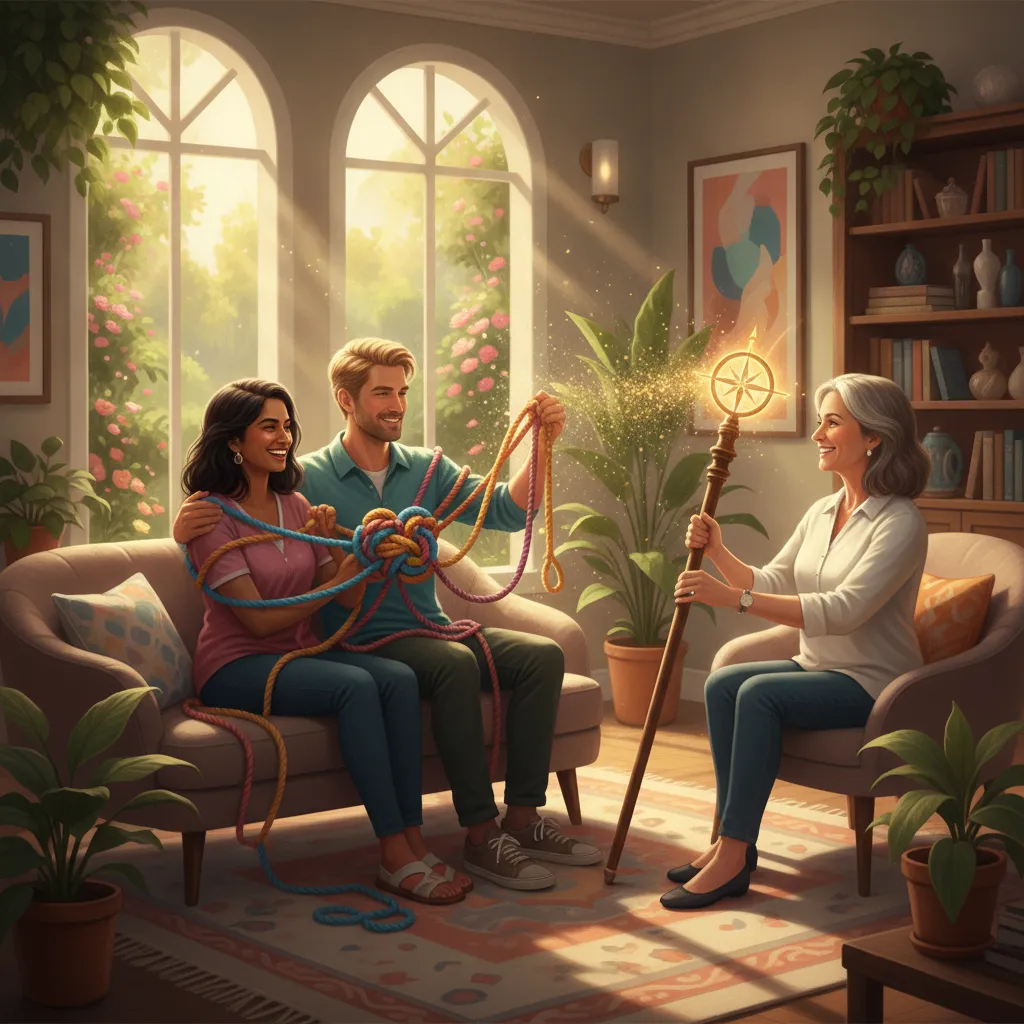
Cheat Sheet
- Marriage counseling, also called couples therapy, is a form of psychotherapy that helps partners identify and work through conflicts, communication problems, and other relationship difficulties with a trained professional.
- Contrary to a common misconception, marriage counseling is not only for relationships in crisis — many couples pursue it proactively, to strengthen communication or navigate a specific life transition.
- The Gottman Method and Emotionally Focused Therapy are two widely used, research-supported approaches to couples therapy, each with a somewhat different theoretical focus and set of techniques.
- Research suggests couples often wait an average of several years after problems first emerge before seeking counseling, a delay that can make some entrenched issues harder to address.
- A skilled couples therapist remains neutral rather than taking sides, focusing on the relationship's dynamics and patterns rather than assigning blame to either individual partner.
- Marriage counseling does not guarantee saving every relationship, and in some cases helps a couple realize and navigate that separating is the healthier path forward.
The 60-Second Version
Marriage counseling, also called couples therapy, is a form of psychotherapy that helps partners identify and work through conflicts, communication problems, and other relationship difficulties with a trained professional. Contrary to a common misconception, marriage counseling is not only for relationships in crisis — many couples pursue it proactively, to strengthen communication or navigate a specific life transition. The Gottman Method and Emotionally Focused Therapy are two widely used, research-supported approaches to couples therapy, each with a somewhat different theoretical focus and set of techniques. Research suggests couples often wait an average of several years after problems first emerge before seeking counseling, a delay that can make some entrenched issues harder to address. A skilled couples therapist remains neutral rather than taking sides, focusing on the relationship's dynamics and patterns rather than assigning blame to either individual partner. Marriage counseling does not guarantee saving every relationship, and in some cases helps a couple realize and navigate that separating is the healthier path forward.
The Long Version
What Marriage Counseling Actually Is
Marriage counseling, also called couples therapy, is a form of psychotherapy that helps partners identify and work through conflicts, communication breakdowns, and other relationship difficulties together with the guidance of a trained professional, providing structure and tools that are often difficult for couples to develop entirely on their own.
Not Just for Crises
Contrary to a common misconception, marriage counseling is not reserved only for relationships already in crisis — many couples pursue it proactively, whether to strengthen already-solid communication patterns, prepare for marriage itself, or navigate a specific life transition such as having a child or relocating, treating it as a maintenance tool rather than a last resort.
Two Well-Established Approaches
The Gottman Method and Emotionally Focused Therapy are two widely used, research-supported approaches to couples therapy, each grounded in a somewhat different theoretical focus: the Gottman Method draws on decades of observational research into what distinguishes stable relationships from unstable ones, while Emotionally Focused Therapy centers on identifying and reshaping underlying emotional attachment patterns between partners.
The Cost of Waiting Too Long
Research suggests couples often wait an average of several years after real problems first emerge before actually seeking counseling, a considerable delay that can allow some issues to become significantly more entrenched and harder to address by the time a couple finally walks into a therapist's office.
Neutral Ground, Not Taking Sides
A skilled couples therapist works to remain genuinely neutral rather than taking sides with either partner, focusing instead on the relationship's underlying dynamics and recurring patterns rather than assigning blame to one individual, since lasting change typically requires both partners to feel heard and understood rather than judged. It's also worth being clear-eyed that marriage counseling does not guarantee saving every relationship, and in some cases it instead helps a couple realize, and navigate with more clarity and less conflict, that separating is genuinely the healthier path forward for both people.
Ad slot (placeholder — set NEXT_PUBLIC_ADSENSE_SLOT_ID once an ad unit is created)
Why People Care
Marriage counseling offers real, evidence-based tools for navigating relationship difficulties, and understanding what it actually involves — and that seeking it early isn't a sign of failure — can make couples far more likely to reach out before problems become entrenched.
Glossary
- Couples therapy
- Another common term for marriage counseling, a form of psychotherapy addressing conflict and communication within a romantic relationship.
- The Gottman Method
- A widely used, research-based approach to couples therapy developed from decades of relationship research by John and Julie Gottman.
- Emotionally Focused Therapy (EFT)
- A couples therapy approach focused on identifying and reshaping underlying emotional attachment patterns between partners.
- Preventive counseling
- Couples therapy sought proactively to strengthen a relationship or navigate a transition, rather than in response to a crisis.
- Therapeutic neutrality
- A therapist's practice of remaining unbiased between partners, focusing on relationship dynamics rather than assigning blame.
Go Deeper
More to Explore
- Common-Law Marriage
Two couples can live together for the exact same number of years, one in Texas and one in California, and only one of them might legally be considered married.
- Wedding Traditions
Several wedding customs that feel timeless and ancient, including the white dress and the diamond engagement ring, are actually considerably more recent inventions than most people assume.
- Prenuptial Agreements
A legal document often stereotyped as something only for the extremely wealthy is increasingly used by everyday couples simply to have one genuinely structured financial conversation before marriage.
- Marriage Communication
Decades of relationship research point to one single communication pattern, contempt, as the single most damaging sign a marriage may be in real trouble.
- Workplace Friendships
Gallup's own research keeps landing on the same surprising finding: having a genuine best friend at work is one of the strongest predictors of whether someone actually likes their job.