Corporate Layoffs
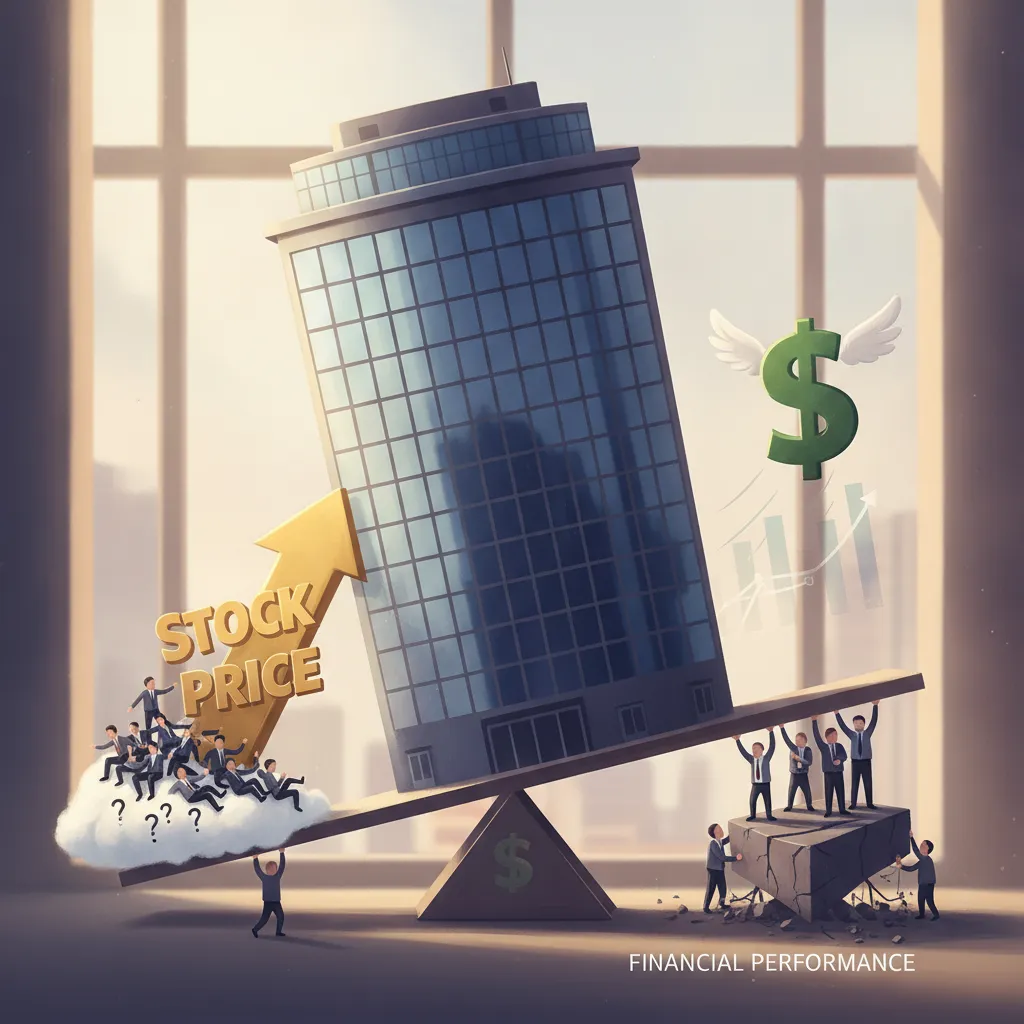
Companies routinely cut jobs to boost their stock price during a downturn, yet a considerable body of research has found layoffs often don't actually improve financial performance at all.
Cheat Sheet
- In the U.S., the WARN Act generally requires employers with 100+ employees to give 60 days' advance notice before mass layoffs or plant closures.
- Layoffs are legally and functionally distinct from firings — layoffs are position eliminations due to business needs, not performance-related terminations.
- 'Stack ranking,' a once-popular practice of forcing managers to rank employees and cut the lowest performers, has been abandoned by several major companies that once championed it, including Microsoft and GE.
- Severance pay is not federally required in the U.S. in most cases — it's typically offered voluntarily or per an existing employment contract or policy.
- Research has found that layoffs don't reliably improve a company's stock price or long-term financial performance, despite the practice's popularity during downturns.
- 'Quiet layoffs,' making conditions unfavorable enough to push employees to resign voluntarily, have drawn scrutiny as an alternative to formal layoff announcements.
The 60-Second Version
Corporate layoffs, the elimination of employee positions due to business needs rather than individual performance, are legally and functionally distinct from firings, a distinction that matters both for the affected employees and for the legal obligations a company faces. In the U.S., a federal law called the WARN Act generally requires employers with 100 or more employees to give 60 days' advance notice before conducting mass layoffs or closing a plant, though notice requirements and exceptions vary based on the specific circumstances. Companies have experimented with genuinely different approaches to deciding who gets cut, including a once-popular practice called stack ranking that forced managers to rank employees against each other and eliminate the lowest performers, a method several major companies that once championed it have since abandoned as counterproductive. Despite widespread assumptions that layoffs reliably help a struggling company's bottom line, a considerable body of research has actually found they don't consistently improve stock price or long-term financial performance, complicating the common justification given for the practice during economic downturns. More recently, "quiet layoffs," deliberately making working conditions unfavorable enough to push employees toward resigning voluntarily, have drawn growing scrutiny as a way for companies to shrink their workforce while avoiding the optics, and legal obligations, of a formal layoff announcement.
The Long Version
Not the Same Thing as Being Fired
Corporate layoffs, the elimination of employee positions due to business or budgetary needs rather than individual performance, are legally and functionally distinct from firings, a distinction that carries real consequences both for how affected employees are treated and for the specific legal obligations a company must follow.
A Federal Notice Requirement
In the U.S., a federal law called the WARN Act generally requires employers with 100 or more employees to provide 60 days' advance notice before conducting mass layoffs or closing a plant entirely, though the specific notice requirements and exceptions can vary considerably based on company size and the exact circumstances of the layoff.
A Ranking System Several Companies Abandoned
Companies have experimented with genuinely different systems for deciding who actually gets cut during a layoff, including a once-popular practice called stack ranking that forced managers to rank every employee against their peers and eliminate the lowest performers regardless of actual individual performance quality, a method several major companies that once championed it, including some prominent tech firms, have since abandoned as ultimately counterproductive to morale and collaboration.
Layoffs Don't Always Deliver What Companies Expect
Despite widespread assumptions that layoffs reliably help a struggling company's financial bottom line, a considerable body of research has actually found they don't consistently improve stock price or long-term financial performance, meaningfully complicating the common justification companies offer for cutting staff during economic downturns. More recently, "quiet layoffs," deliberately making working conditions unfavorable enough to push employees toward resigning voluntarily, have drawn growing scrutiny as a way for companies to shrink their workforce while sidestepping both the public optics and the legal obligations tied to a formal layoff announcement.
Ad slot (placeholder — set NEXT_PUBLIC_ADSENSE_SLOT_ID once an ad unit is created)
Why People Care
Layoffs remain one of the most consequential and closely watched corporate decisions, both for the employees directly affected and for what they signal about a company's broader health, and understanding the legal framework and research behind them helps cut through the simplistic "layoffs equal cost savings" narrative companies often present.
Glossary
- WARN Act
- A U.S. federal law generally requiring employers with 100 or more employees to give 60 days' advance notice before mass layoffs or plant closures.
- Severance pay
- Compensation offered to laid-off employees, typically voluntary in the U.S. unless required by an existing contract or company policy.
- Stack ranking
- A performance management practice forcing managers to rank employees against each other and cut the lowest performers, largely abandoned by major companies that once used it.
- Quiet layoff
- A practice of making working conditions unfavorable enough to prompt employees to resign voluntarily, avoiding a formal layoff announcement.
- Reduction in force (RIF)
- A formal term for eliminating employee positions due to business or budgetary needs rather than individual performance.
Go Deeper
More to Explore
- Antitrust and Monopolies
Having a monopoly isn't actually illegal in the United States — what gets a company in legal trouble is what it does with that power once it has it.
- Supply Chain Management
A shortage of a fairly obscure car part during the pandemic ended up shutting down entire auto assembly lines on the other side of the world — a textbook demonstration of just how tightly interconnected modern supply chains really are.
- Business Models
Two companies can sell the exact same product and still have completely different business models — it all comes down to how they actually turn that product into revenue.
- Mergers & Acquisitions
A field where a surprisingly large share of deals, according to consistent research, actually end up destroying value rather than creating it.
- How an IPO Works
A process where a company's own bankers often deliberately underprice its shares — because a stock price jump on day one is treated as a sign of success.