Stroke
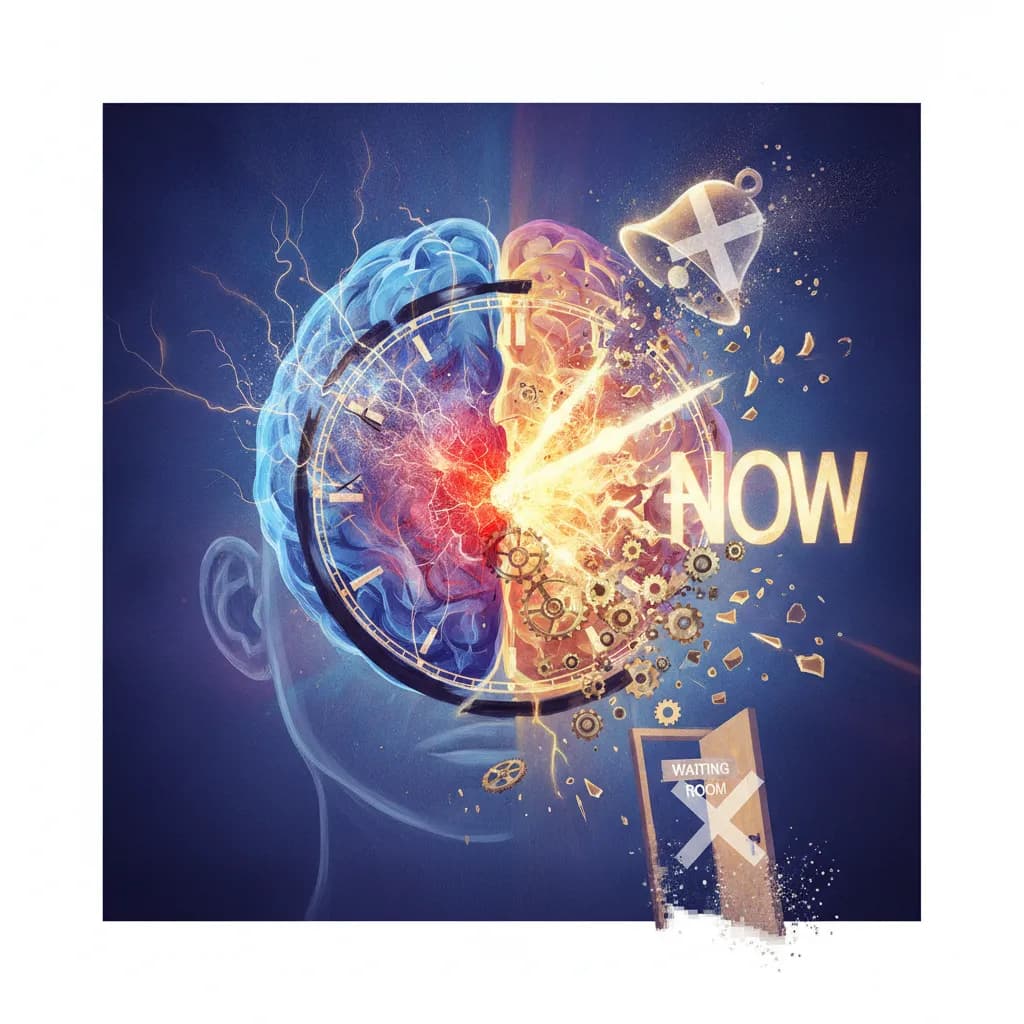
A brain attack: no warning bell, no waiting room, and a clock that starts the moment symptoms do.
By Greg Goodwin · Published October 24, 2026
Cheat Sheet
- Frequency: more than 795,000 people in the United States have a stroke each year, about one every 40 seconds.
- New versus repeat: about 610,000 are first or new strokes, and about 185,000, nearly 1 in 4, occur in people who have had one before.
- Type: about 87% of strokes are ischemic, meaning blood flow to the brain is blocked.
- Deaths: someone in the US dies of stroke every 3 minutes and 14 seconds; the death rate was 39.0 per 100,000 in 2023.
- Cost: stroke-related costs reached nearly $56.2 billion across 2019 to 2020.
- Awareness gap: in one older survey, only 38% knew all major symptoms and to call 9-1-1.
The 60-Second Version
A stroke happens when blood flow to part of the brain is interrupted, either by a blockage or by a leaking or burst blood vessel. Brain cells deprived of oxygen begin to die within minutes, which is why speed matters so much and why stroke is a leading cause of death and serious long-term disability in the United States. Most strokes, about 87%, are ischemic, caused by a blockage. The warning signs are sudden: face drooping, arm weakness, slurred speech, trouble seeing, loss of balance, or a severe headache with no known cause. The CDC says to call 9-1-1 right away rather than drive to a hospital, and to note when symptoms began. This page is general information, not medical advice and not a diagnostic tool; emergency responders and clinicians make the call.
The Long Version
What Goes Wrong in the Brain
The brain depends on a constant supply of oxygen-rich blood. In an ischemic stroke, a clot or narrowed vessel blocks that supply to a region of the brain. In a hemorrhagic stroke, a vessel ruptures and bleeds. CDC reports that about 87% of all strokes are ischemic. Either way, the affected brain tissue stops working, and what a person loses depends on which region is hit: movement, speech, vision, balance, or thinking. A related event, the transient ischemic attack or TIA, causes similar symptoms that fade within minutes, but CDC stresses it is a sign of a serious condition that will not go away without medical help.
The Numbers
According to CDC, more than 795,000 people in the United States have a stroke every year, one every 40 seconds. About 610,000 are first or new strokes, and about 185,000, nearly 1 in 4, are in people who have had a previous stroke. Someone dies of stroke every 3 minutes and 14 seconds, and the death rate fell from 39.5 per 100,000 in 2022 to 39.0 in 2023. In 2022, 1 in 6 cardiovascular deaths, or 17.5%, was due to stroke. Costs came to nearly $56.2 billion between 2019 and 2020, covering health care, medicines, and missed work.
Recognizing the Signs
CDC lists the signs as sudden trouble walking, dizziness, loss of balance, or lack of coordination; sudden trouble seeing; sudden numbness or weakness in the face, arm, or leg, especially on one side; sudden confusion, trouble speaking, or difficulty understanding speech; and sudden severe headache with no known cause. The BE FAST memory aid turns these into a quick check: Balance, Eyes, Face, Arms, Speech, Time. The final letter is the point. If any sign appears, call 9-1-1 and note when symptoms first started, because that timing helps health care providers decide what treatment is possible.
Why Minutes Matter
CDC says the stroke treatments that work best are available only if the stroke is recognized and diagnosed within 3 hours of the first symptoms, and patients who arrive late may not be eligible. It advises calling an ambulance instead of driving, since medical personnel can begin life-saving treatment on the way to the emergency room. Yet awareness is imperfect: in one older CDC-cited survey, 93% recognized sudden numbness on one side as a symptom, but only 38% knew all the major symptoms and knew to call 9-1-1. Decisions about specific treatments are made by emergency and neurology teams, not by bystanders.
Risk and Who Is Affected
CDC lists high blood pressure, high cholesterol, smoking, obesity, and diabetes as leading causes of stroke, and notes one in three US adults has at least one of these conditions or risk factors. Risk increases with age, but strokes occur at any age: in 2014, 38% of people hospitalized for stroke were younger than 65. The risk of a first stroke is nearly twice as high for non-Hispanic Black adults as for White adults. Stroke reduces mobility in more than half of survivors age 65 and older, which is why recovery and rehabilitation are part of the story, guided by a care team.
Why People Care
Stroke is common, sudden, and often survivable with fast action, which makes recognizing the signs one of the most useful pieces of health knowledge a bystander can have. This is general information, not medical advice. If you think someone may be having a stroke, call emergency services.
Glossary
- Ischemic stroke
- A stroke caused by a blockage that cuts off blood flow to part of the brain.
- Hemorrhagic stroke
- A stroke caused by a blood vessel in or near the brain leaking or bursting.
- Transient ischemic attack (TIA)
- A brief stroke-like episode, sometimes called a mini-stroke, whose symptoms go away but which signals serious risk.
- BE FAST
- A memory aid for warning signs: Balance, Eyes, Face, Arms, Speech, Time.
- Thrombectomy
- A procedure in which a clot is physically removed from a blocked brain artery by specialists.
Go Deeper
More to Explore
- Diabetes
Your body's fuel system works great until the key that lets sugar into your cells goes missing or stops fitting the lock.
- Alzheimer's Disease
It starts as a misplaced set of keys and can grow into the slow loss of the story a person tells about their own life.
- Cancer
Your cells follow strict rules about when to divide and when to die; cancer is what happens when some of them stop listening.
- Vitamins
Tiny molecules with enormous résumés: you need them in minuscule amounts, and you cannot do without them.
- REM Sleep and Dreams
Your brain runs a nightly film festival while your body politely stays in its seat.