Veganism
A diet where the single hardest nutrient to get right isn't protein, as most people assume, but a vitamin found almost nowhere except animal products.
Cheat Sheet
- Veganism excludes all animal products from the diet — meat, dairy, eggs, and honey — and many vegans extend the philosophy beyond food to clothing and other animal-derived products.
- Common motivations for going vegan include animal welfare ethics, environmental concerns (animal agriculture's land, water, and emissions footprint), and personal health reasons.
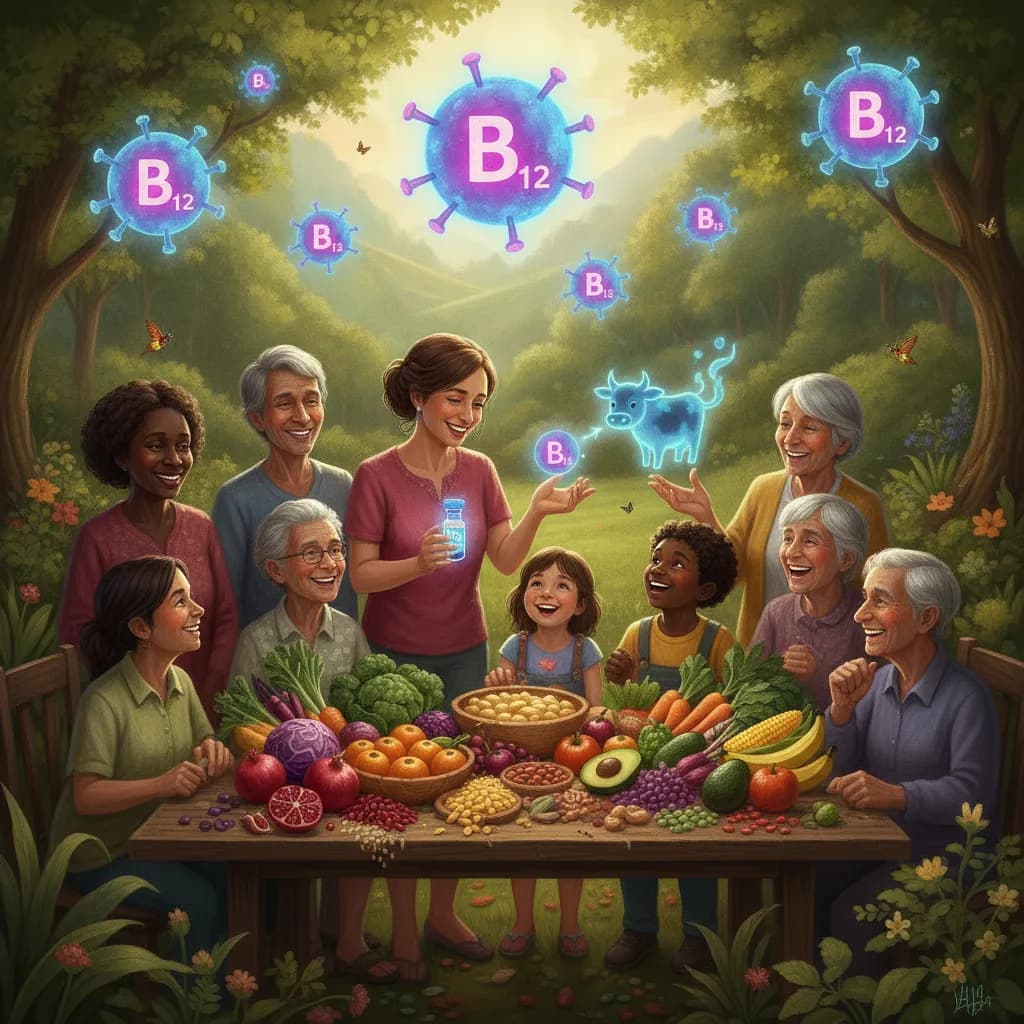
- A well-planned vegan diet can meet most nutritional needs, though vitamin B12, which is naturally found almost exclusively in animal products, typically requires supplementation.
- Plant-based meat and dairy alternatives have grown into a substantial global market, aiming to replicate the taste and texture of animal products using plant-derived ingredients.
- "Vegan" and "plant-based" are related but not identical terms — plant-based more narrowly describes a diet centered on plants, while vegan often implies a broader ethical stance extending beyond diet.
- Global vegan populations remain a small minority overall, but the category has grown substantially over the past decade, especially among younger consumers in wealthier countries.
The 60-Second Version
Veganism excludes all animal products from the diet — meat, dairy, eggs, and honey — and many vegans extend the philosophy beyond food to clothing and other animal-derived products entirely. Common motivations for going vegan include animal welfare ethics, environmental concerns tied to animal agriculture's land, water, and emissions footprint, and personal health reasons. A well-planned vegan diet can meet most nutritional needs, though vitamin B12, which is naturally found almost exclusively in animal products, typically requires supplementation. Plant-based meat and dairy alternatives have grown into a substantial global market, aiming to replicate the taste and texture of animal products using plant-derived ingredients. "Vegan" and "plant-based" are related but not identical terms — plant-based more narrowly describes a diet centered on plants, while vegan often implies a broader ethical stance extending beyond diet alone. Global vegan populations remain a small minority overall, but the category has grown substantially over the past decade, especially among younger consumers in wealthier countries.
The Long Version
What Veganism Actually Excludes
Veganism excludes every animal-derived food, not just meat: dairy, eggs, and honey are all off the table as well, since they all involve animal products even without directly requiring an animal's death. For many practicing vegans, this extends further into a broader ethical framework applied to non-food items too, avoiding leather, wool, and other animal-derived materials wherever practical, treating dietary choice as one part of a wider lifestyle stance.
Why People Choose It: Ethics, Environment, Health
People adopt veganism for several distinct, sometimes overlapping reasons: ethical objections to animal use and treatment in food production, environmental concerns given the substantial land, water, and greenhouse gas footprint associated with large-scale animal agriculture, and personal health motivations, since well-planned plant-heavy diets are associated with certain positive health outcomes in nutrition research.
Getting Nutrition Right, B12 Included
A carefully planned vegan diet can meet the vast majority of nutritional needs through a varied combination of legumes, grains, nuts, and vegetables. The one nutrient that consistently requires deliberate attention is vitamin B12, which occurs naturally almost exclusively in animal products, meaning vegans typically need to rely on fortified foods or a direct supplement to avoid deficiency, a genuinely essential planning point rather than an optional add-on.
The Rise of Plant-Based Alternatives
The past decade has seen enormous growth in plant-based meat and dairy alternatives, engineered specifically to replicate the taste, texture, and cooking behavior of animal products using ingredients like pea protein, soy, and various plant oils. This growing market has made vegan eating substantially more convenient and closer in everyday experience to a conventional diet than it was in prior decades, helping drive broader mainstream adoption beyond strictly ethically motivated vegans.
Ad slot (placeholder — set NEXT_PUBLIC_ADSENSE_SLOT_ID once an ad unit is created)
Glossary
- Vegan
- A diet, and often broader lifestyle, excluding all animal products, including meat, dairy, eggs, and honey.
- Plant-based
- A diet centered on plant foods, sometimes used interchangeably with vegan but not always implying the same ethical stance.
- Vitamin B12
- An essential nutrient found almost exclusively in animal products, typically requiring supplementation on a vegan diet.
- Animal agriculture
- The farming of animals for food and other products, a major focus of environmental arguments for veganism.
- Plant-based meat alternative
- A food product made from plant ingredients designed to mimic the taste and texture of meat.