Cloud Computing
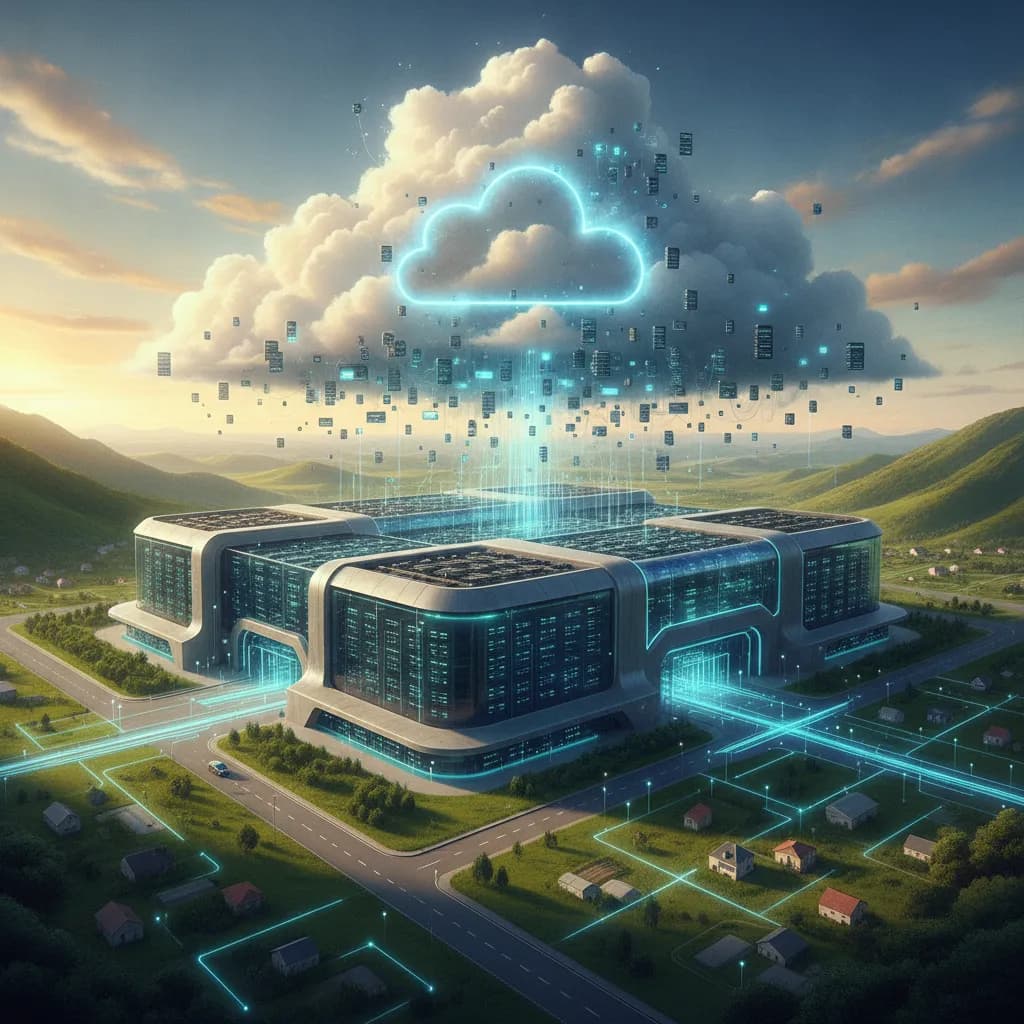
Despite its name, "the cloud" isn't actually floating anywhere — it's sitting in enormous physical warehouses full of humming servers, in specific real-world locations you could technically drive to.
Cheat Sheet
- Cloud computing refers to accessing computing resources, such as data storage, processing power, and software, over the internet from remote data centers rather than relying solely on a local device.
- The major cloud computing providers, including Amazon Web Services, Microsoft Azure, and Google Cloud, operate massive networks of data centers that power a substantial share of the internet's underlying infrastructure.
- Cloud computing is typically divided into service categories including infrastructure as a service, platform as a service, and software as a service, each offering a different level of managed technical responsibility.
- A major appeal of cloud computing for businesses is scalability, the ability to flexibly increase or decrease computing resources on demand, without needing to purchase and maintain physical hardware upfront.
- Despite the term "cloud" suggesting something abstract or virtual, cloud computing ultimately relies entirely on real physical data centers, containing enormous numbers of servers, located in specific geographic locations.
- Data security and privacy remain significant ongoing considerations in cloud computing, since organizations are effectively trusting a third-party provider to securely store and manage sensitive data on their behalf.
The 60-Second Version
Cloud computing refers to accessing computing resources, such as data storage, processing power, and software, over the internet from remote data centers rather than relying solely on a local device. The major cloud computing providers, including Amazon Web Services, Microsoft Azure, and Google Cloud, operate massive networks of data centers that power a substantial share of the internet's underlying infrastructure. Cloud computing is typically divided into service categories including infrastructure as a service, platform as a service, and software as a service, each offering a different level of managed technical responsibility. A major appeal of cloud computing for businesses is scalability, the ability to flexibly increase or decrease computing resources on demand, without needing to purchase and maintain physical hardware upfront. Despite the term "cloud" suggesting something abstract or virtual, cloud computing ultimately relies entirely on real physical data centers, containing enormous numbers of servers, located in specific geographic locations. Data security and privacy remain significant ongoing considerations in cloud computing, since organizations are effectively trusting a third-party provider to securely store and manage sensitive data on their behalf.
The Long Version
Computing Power Delivered Over the Internet
Cloud computing fundamentally means accessing computing resources, including data storage, processing power, and full software applications, over the internet from remote data centers, rather than relying entirely on a local device's own limited hardware, allowing users and organizations to tap into computing capacity far beyond what any single local machine could provide.
A Small Number of Companies Powering Much of the Internet
A small number of major cloud computing providers, most notably Amazon Web Services, Microsoft Azure, and Google Cloud, operate massive global networks of data centers that collectively power a substantial share of the internet's underlying infrastructure, meaning an enormous range of websites, apps, and online services most people use daily actually run on shared infrastructure from just a handful of major providers.
Different Levels of Managed Responsibility
Cloud computing services are typically divided into distinct categories, infrastructure as a service, providing basic computing infrastructure like virtual servers that the customer still manages directly, platform as a service, providing a managed environment for building applications without needing to manage underlying infrastructure, and software as a service, providing fully managed, ready-to-use software applications, each representing a different balance of control and managed convenience for the customer.
Scalability's Appeal, and the Real Physical Infrastructure Behind It
A major appeal of cloud computing for businesses is scalability, the ability to flexibly scale computing resources up or down on demand based on actual need, without needing to purchase and maintain expensive physical hardware upfront. Despite the deliberately abstract-sounding term "cloud," this entire system ultimately relies on real, physical data centers containing enormous numbers of servers located in specific geographic locations, a physical reality that also raises genuine data security and privacy considerations, since organizations are effectively trusting a third-party provider to securely store and manage their data.
Ad slot (placeholder — set NEXT_PUBLIC_ADSENSE_SLOT_ID once an ad unit is created)
Glossary
- Data center
- A physical facility housing large numbers of servers, the real infrastructure underlying cloud computing despite its abstract-sounding name.
- Infrastructure as a service (IaaS)
- A cloud computing service category providing basic computing infrastructure, such as virtual servers and storage, managed by the customer.
- Software as a service (SaaS)
- A cloud computing service category providing fully managed software applications accessed directly over the internet.
- Scalability
- The ability to flexibly increase or decrease computing resources on demand, a major appeal of cloud computing for businesses.
- Amazon Web Services (AWS)
- One of the major cloud computing providers operating a large network of data centers powering significant internet infrastructure.