Data Breaches
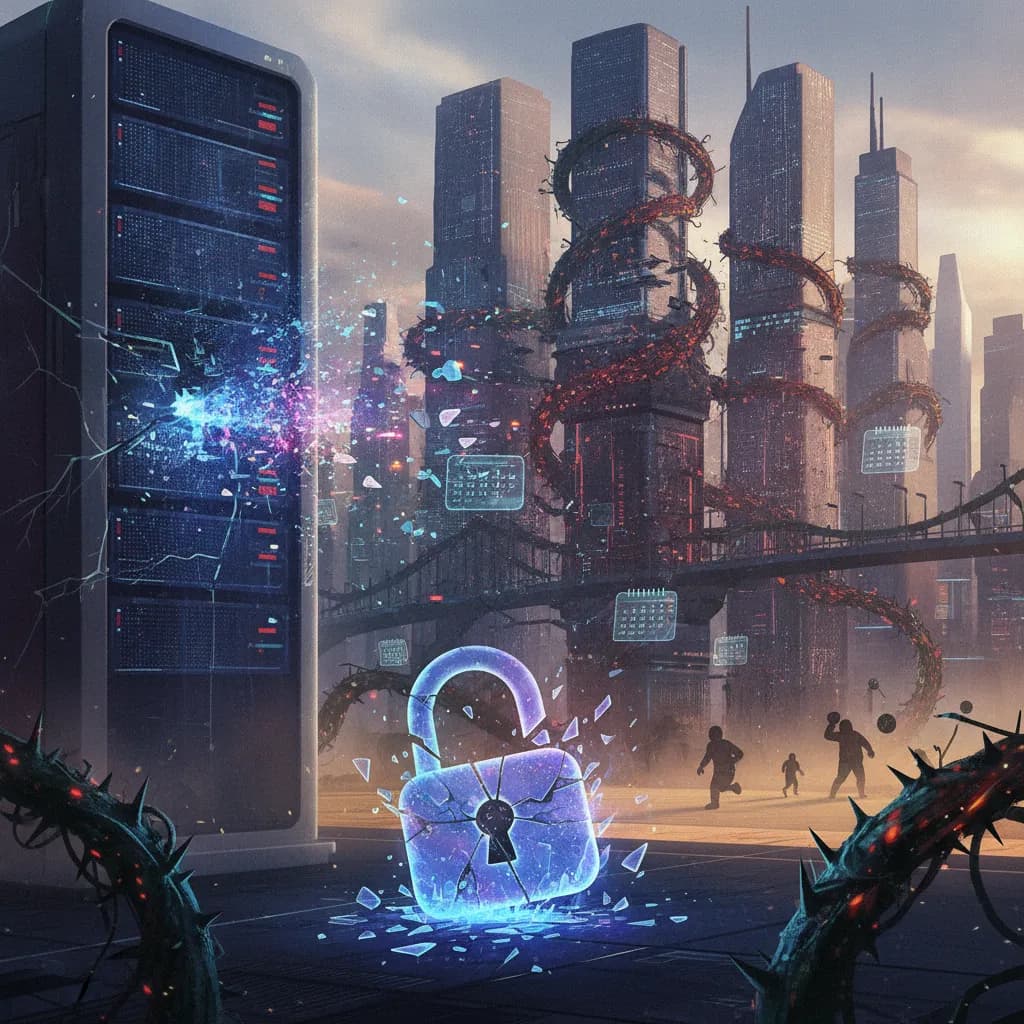
Most of the damage from a data breach doesn't happen the day it's discovered — it happens months later, when the stolen data finally gets used.
Cheat Sheet
- A data breach is any incident where sensitive information is accessed, stolen, or exposed without authorization — through hacking, misconfiguration, insider theft, or simple human error.
- Breaches don't always require sophisticated hacking — misconfigured cloud storage left publicly accessible is one of the most common causes of large-scale exposure.
- Once breached data is stolen, it typically ends up for sale or free distribution on dark web marketplaces and hacker forums, sometimes years after the original breach.
- Companies are increasingly required by law, like GDPR in the EU or various US state laws, to disclose breaches to affected users within a set time window.
- Checking whether your own email or accounts have appeared in known breaches, via free services like Have I Been Pwned, is a simple way to know if you need to change specific passwords.
- The damage from a breach often isn't the initial hack itself but everything that follows: phishing attacks, credential stuffing, and identity theft using the exposed data.
The 60-Second Version
A data breach is any incident where sensitive information is accessed, stolen, or exposed without authorization, whether through sophisticated hacking, simple misconfiguration, insider theft, or plain human error. Breaches don't always require sophisticated hacking at all — misconfigured cloud storage left publicly accessible is actually one of the most common causes of large-scale data exposure. Once breached data is stolen, it typically ends up for sale, or even free distribution, on dark web marketplaces and hacker forums, sometimes surfacing years after the original breach occurred. Companies are increasingly required by law, including GDPR in the EU and various US state laws, to disclose breaches to affected users within a set time window. Checking whether your own email or accounts have appeared in known breaches, using free services like Have I Been Pwned, is a simple way to know if you need to change specific passwords. The real damage from a breach often isn't the initial hack itself but everything that follows: phishing attacks, credential stuffing, and identity theft, all built on top of the exposed data.
The Long Version
What Actually Counts as a Breach
A data breach covers any unauthorized access, theft, or exposure of sensitive information, a broad definition that includes far more than dramatic hacker-in-a-hoodie scenarios. It also covers a lost or stolen laptop containing unencrypted customer data, an employee improperly accessing records out of curiosity, or a database accidentally left open to the public internet. The common thread across every case is that data intended to stay private ends up somewhere it shouldn't.
How Breaches Actually Happen
While targeted hacking, exploiting software vulnerabilities or using stolen credentials, is a major cause, a surprising share of large-scale breaches trace back to far more mundane failures: cloud storage buckets left configured as publicly accessible, weak or reused administrative passwords, unpatched software with known vulnerabilities, or phishing emails that trick an employee into handing over their own login credentials. Attackers frequently don't need to break in through brute technical skill when a simple misconfiguration leaves the door already open.
Where Stolen Data Goes Next
Once data is exfiltrated in a breach, it commonly circulates through dark web marketplaces and hacker forums, where it's bought, sold, and traded, sometimes broken into smaller batches over months or years rather than dumped all at once. This means a person's information can resurface and be used in new attacks long after the original breach was reported and seemingly resolved, which is part of why checking breach-notification services periodically, rather than just once, remains genuinely useful.
What You Can Actually Do About It
Because most breaches happen on the company's end rather than through any individual mistake, an ordinary person's realistic defenses focus on limiting the damage after the fact: using unique passwords per site so one breach doesn't cascade into others, enabling two-factor authentication so a stolen password alone isn't enough to get in, monitoring accounts for the specific fraud patterns (unusual logins, unexpected charges) that follow a breach, and periodically checking breach-notification services to know when a specific password actually needs changing.
Ad slot (placeholder — set NEXT_PUBLIC_ADSENSE_SLOT_ID once an ad unit is created)
Glossary
- Data breach
- Unauthorized access, theft, or exposure of sensitive or confidential information.
- Dark web
- Encrypted, non-indexed parts of the internet often used to trade stolen data anonymously.
- Breach disclosure law
- Legal requirements obligating organizations to notify affected individuals after a data breach.
- Misconfiguration
- An improperly set up system, such as an unsecured cloud storage bucket, that unintentionally exposes data.
- Identity theft
- Using someone else's stolen personal information to commit fraud, typically enabled by breached data.