Esports
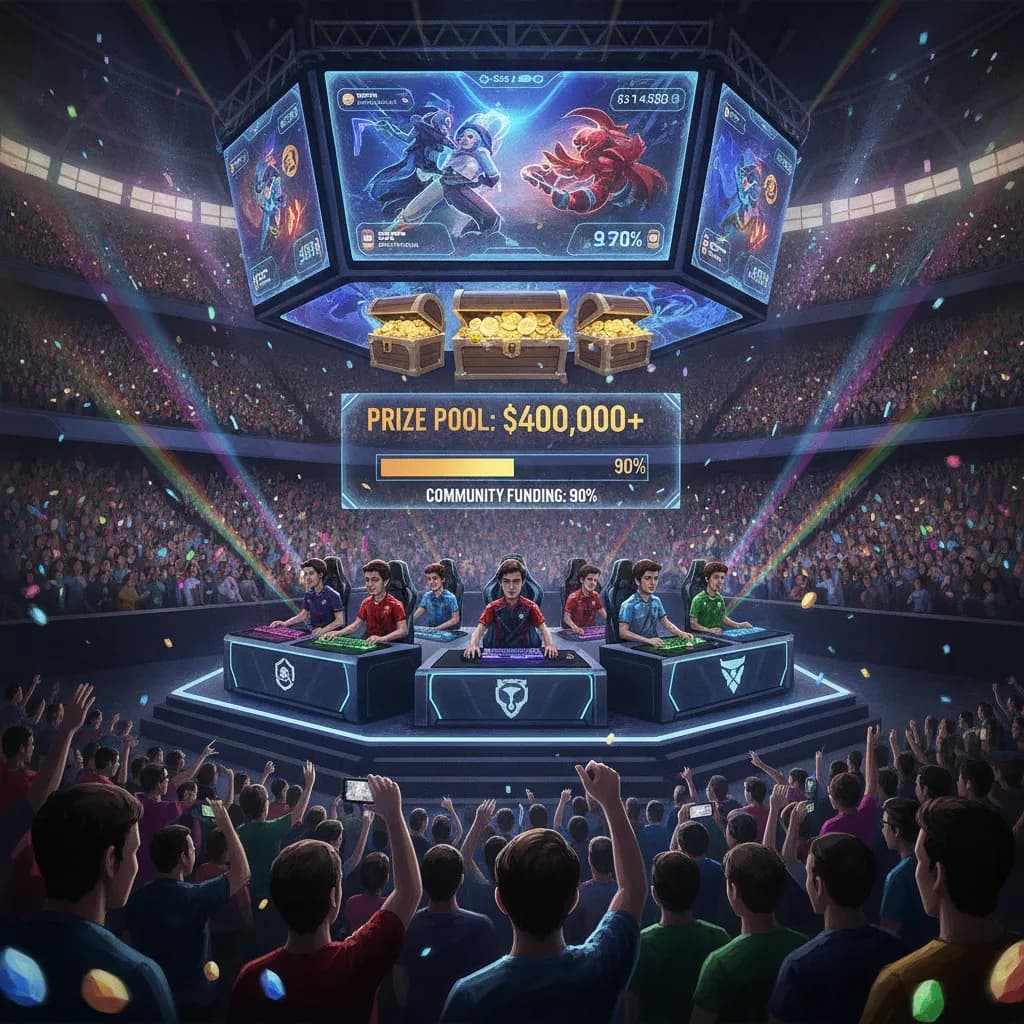
A competitive scene where prize pools can top $40 million for a single tournament, funded largely by the players' own community purchases.
Cheat Sheet
- Esports refers to organized, competitive video gaming, ranging from small local tournaments to arena events watched by millions online.
- Popular esports titles span multiple genres — multiplayer online battle arenas (League of Legends, Dota 2), first-person shooters (Counter-Strike, Valorant), and battle royales (Fortnite).
- Top esports tournaments offer multi-million dollar prize pools, with some events (like The International for Dota 2) exceeding $20-40 million in total prizes in peak years.
- Professional esports players typically compete for organized teams, train for many hours daily, and often retire from top-level competition remarkably young by traditional sports standards.
- Esports is watched primarily via streaming platforms like Twitch and YouTube, rather than traditional television broadcast, reflecting its internet-native origins.
- Some universities now offer esports scholarships and varsity programs, treating competitive gaming with the same institutional structure as traditional collegiate athletics.
The 60-Second Version
Esports refers to organized, competitive video gaming, ranging from small local tournaments to massive arena events watched by millions online. Popular esports titles span multiple genres — multiplayer online battle arenas like League of Legends and Dota 2, first-person shooters like Counter-Strike and Valorant, and battle royales like Fortnite. Top esports tournaments offer multi-million dollar prize pools, with some events, like The International for Dota 2, exceeding $20-40 million in total prizes during peak years. Professional esports players typically compete for organized teams, train for many hours daily, and often retire from top-level competition remarkably young by traditional sports standards. Esports is watched primarily via streaming platforms like Twitch and YouTube rather than traditional television broadcast, reflecting its internet-native origins. Some universities now even offer esports scholarships and varsity programs, treating competitive gaming with the same institutional structure as traditional collegiate athletics.
The Long Version
What Counts as Esports
Esports broadly covers any organized, competitive video game play, from small community tournaments with modest prize money up through massive international championships filling arenas and drawing millions of concurrent online viewers. What distinguishes esports from casual competitive gaming is the presence of structured competition: registered teams, official rulesets, prize money, and often a broadcast production comparable to traditional televised sports.
The Major Genres and Titles
Esports spans several distinct game genres, each with its own competitive culture: multiplayer online battle arena (MOBA) titles like League of Legends and Dota 2 pit two teams of five against each other to destroy an opposing base; first-person shooters like Counter-Strike and Valorant emphasize precise aim and tactical teamwork; and battle royale titles like Fortnite have their own distinct large-lobby, last-player-standing competitive format.
How the Money Actually Works
Esports prize pools are funded through a mix of sponsorships, publisher investment, and, notably for some games, direct crowdfunding through in-game purchases, where a portion of cosmetic item sales gets funneled directly into that year's championship prize pool. This model has occasionally produced enormous prize pools rivaling or exceeding many traditional professional sports championships, even for games with relatively modest ongoing player bases compared to the biggest traditional sports.
Life as a Professional Player
Professional esports players typically join organized teams under multi-year contracts, training for many hours daily on mechanical skill, strategy, and team coordination. Career longevity at the very top level tends to be notably shorter than in most traditional sports, with many top players retiring from active competition in their mid-to-late twenties, often transitioning into coaching, content creation, or broadcasting roles within the same competitive ecosystem.
Ad slot (placeholder — set NEXT_PUBLIC_ADSENSE_SLOT_ID once an ad unit is created)
Glossary
- MOBA
- Multiplayer Online Battle Arena, a genre (like League of Legends) where teams battle to destroy an opposing base.
- Prize pool
- The total money awarded to competitors at a tournament, often crowdfunded partly through in-game purchases.
- Roster
- The set of players officially competing for a given esports team.
- Patch
- An update to a game's rules, balance, or content, which can significantly reshape competitive strategy.
- Meta
- The dominant, most effective strategies and character or weapon choices within a game at a given time.