Mahjong
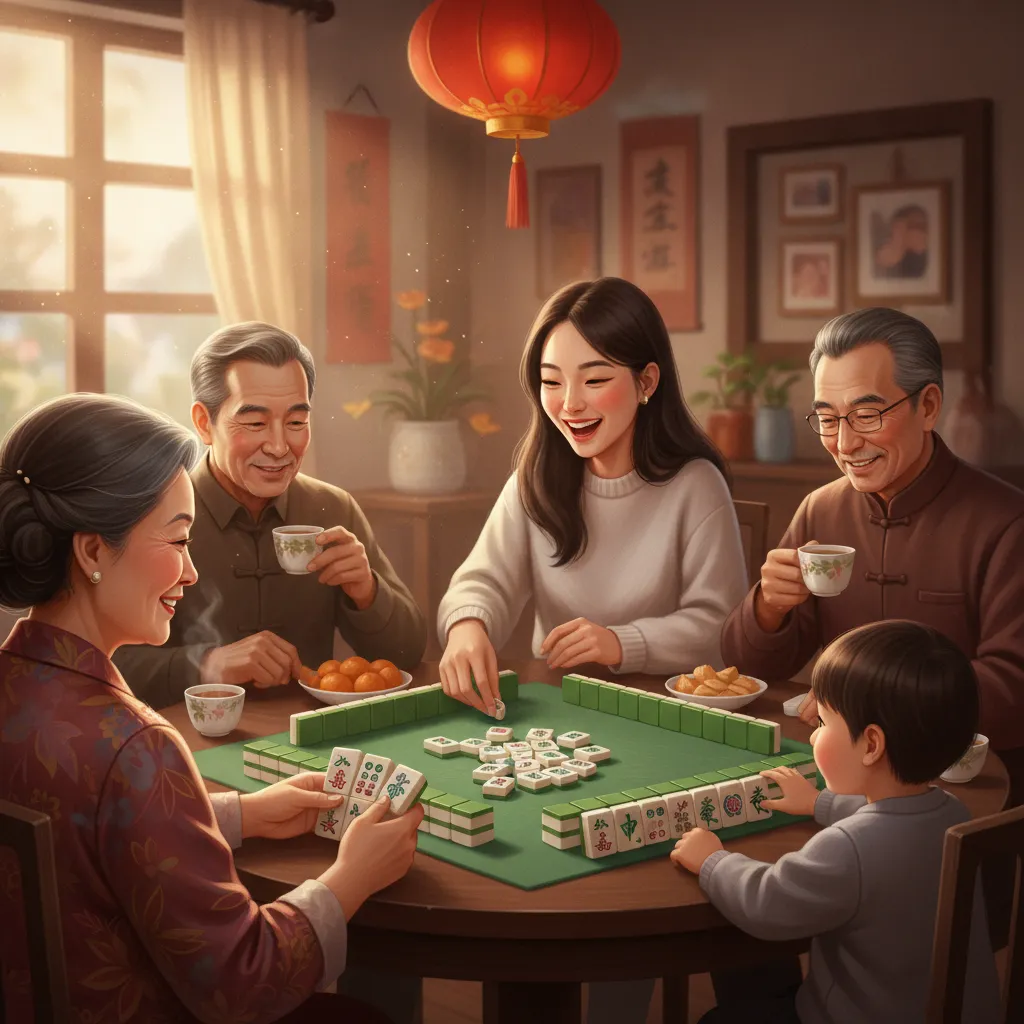
A tile-clicking, hand-building game so deeply embedded in East Asian social life that entire holiday gatherings are often built around it.
Cheat Sheet
- Mahjong is a tile-based game for four players, originating in China in the 19th century, combining strategy, skill, and a degree of chance.
- Players draw and discard tiles in turn, aiming to assemble a winning hand made up of specific sets and combinations before their opponents do.
- A standard mahjong set includes 144 tiles, featuring suits similar in structure to playing cards alongside special honor and bonus tiles.
- Mahjong scoring systems vary considerably by regional variant, with Chinese, Japanese, and American mahjong each using notably different rules, tile sets, and scoring structures.
- The game requires players to track not only their own hand but also which tiles opponents have discarded or claimed, adding a significant memory and observational skill component beyond pure luck.
- Mahjong carries deep cultural significance in China and much of East Asia, traditionally played socially among family and friends, particularly during holidays and other significant gatherings.
The 60-Second Version
Mahjong is a tile-based game for four players, originating in China in the 19th century, combining strategy, skill, and a degree of chance. Players draw and discard tiles in turn, aiming to assemble a winning hand made up of specific sets and combinations before their opponents do. A standard mahjong set includes 144 tiles, featuring suits similar in structure to playing cards alongside special honor and bonus tiles. Mahjong scoring systems vary considerably by regional variant, with Chinese, Japanese, and American mahjong each using notably different rules, tile sets, and scoring structures. The game requires players to track not only their own hand but also which tiles opponents have discarded or claimed, adding a significant memory and observational skill component beyond pure luck. Mahjong carries deep cultural significance in China and much of East Asia, traditionally played socially among family and friends, particularly during holidays and other significant gatherings.
The Long Version
Building a Winning Hand, One Tile at a Time
Mahjong is played by four players who draw and discard tiles in turn, each working to assemble a winning hand composed of specific required sets and combinations before any opponent completes theirs first, a structure that rewards both careful planning around one's own hand and close attention to the tiles opponents are discarding or claiming.
A Set Built From 144 Tiles
A standard mahjong set includes 144 tiles, organized into suits structurally similar to a conventional deck of playing cards, alongside special honor tiles, including winds and dragons, and additional bonus tiles, giving the game a considerably larger and more varied set of possible pieces than most conventional card games.
Notably Different Rules Depending on Where You Play
Mahjong scoring systems and specific rules vary considerably across regional variants, with Chinese, Japanese, and American mahjong each using distinctly different tile sets, winning hand requirements, and scoring structures, meaning a player experienced in one regional variant may find an entirely different variant's rules genuinely unfamiliar.
More Than Luck: Memory and Observation
Beyond simply drawing favorable tiles, successful mahjong play requires tracking not just one's own hand but also carefully observing which tiles opponents have discarded or claimed, information that skilled players use to infer what other hands might be forming and adjust their own strategy accordingly, adding a genuine skill and memory component well beyond pure chance.
Ad slot (placeholder — set NEXT_PUBLIC_ADSENSE_SLOT_ID once an ad unit is created)
Glossary
- Tile
- The basic playing piece in mahjong, analogous to a playing card, featuring various suits, honors, or bonus symbols.
- Hand
- The specific set of tiles a mahjong player is trying to assemble in order to win a round.
- Discard
- A tile a player chooses not to keep, placed face-up for other players to potentially claim.
- Honor tiles
- A special category of mahjong tiles, including winds and dragons, distinct from the numbered suit tiles.
- Regional variant
- One of several distinct rule sets, such as Chinese, Japanese, or American mahjong, each with notably different scoring and structure.
Go Deeper
- World Mahjong Organization
- Encyclopaedia Britannica — Mahjong