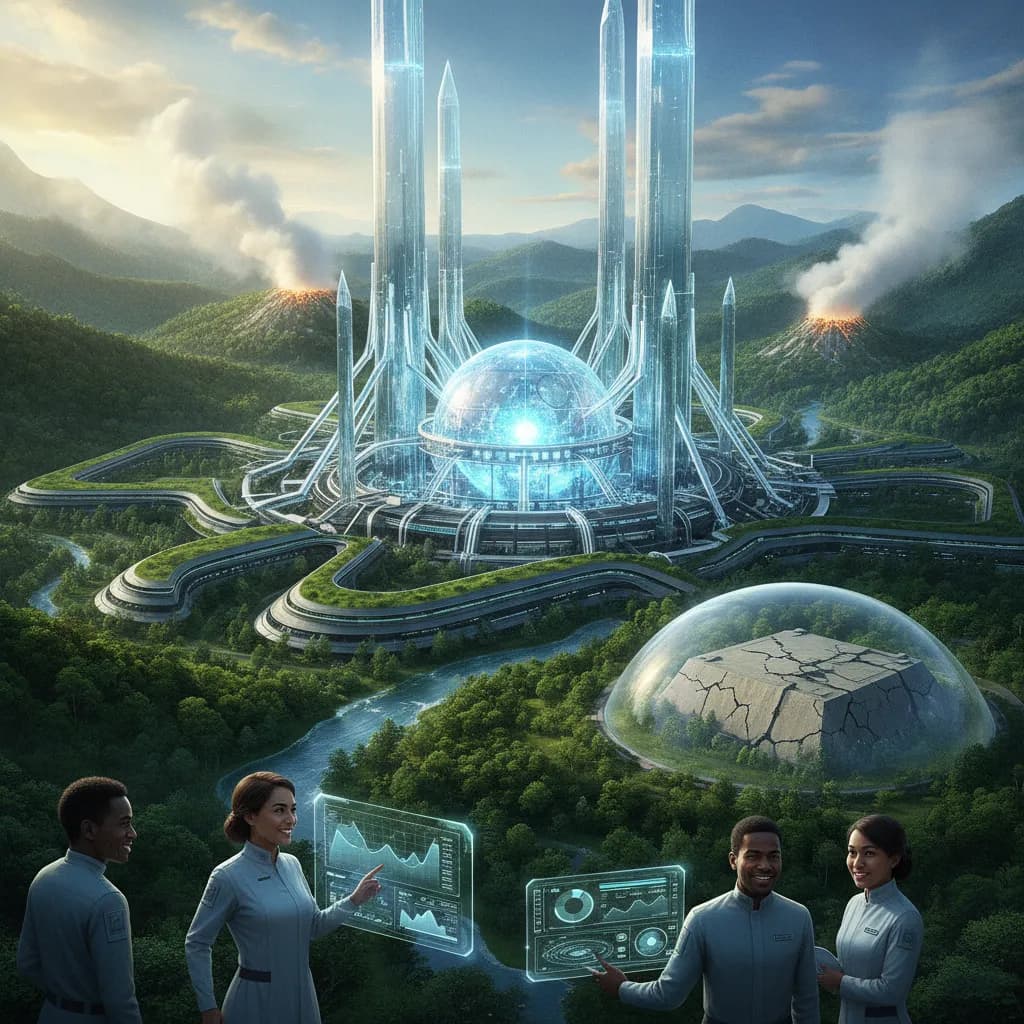
Nuclear Energy
A power source capable of generating enormous amounts of electricity with zero direct greenhouse gas emissions — while also carrying a small number of accidents serious enough to shape global energy policy for decades.
Cheat Sheet
- Nuclear energy is generated by splitting atomic nuclei in a process called fission, releasing an enormous amount of energy from a relatively small amount of nuclear fuel.
- Nuclear power plants use controlled fission reactions to generate heat, which produces steam that drives turbines to generate electricity, similar in basic structure to many fossil fuel power plants.
- Nuclear energy produces electricity without direct greenhouse gas emissions during operation, a significant factor in ongoing debates about its potential role in addressing climate change.
- Major nuclear accidents, including Chernobyl in 1986 and Fukushima in 2011, significantly shaped public perception and regulatory policy around nuclear energy safety worldwide.
- Nuclear waste, particularly long-lived radioactive material, requires extremely careful long-term storage and management, a significant ongoing technical and political challenge for the nuclear power industry.
- Nuclear fusion, a different nuclear process that combines rather than splits atomic nuclei, is being actively researched as a potential future energy source but remains considerably further from practical large-scale power generation than fission.
The 60-Second Version
Nuclear energy is generated by splitting atomic nuclei in a process called fission, releasing an enormous amount of energy from a relatively small amount of nuclear fuel. Nuclear power plants use controlled fission reactions to generate heat, which produces steam that drives turbines to generate electricity, similar in basic structure to many fossil fuel power plants. Nuclear energy produces electricity without direct greenhouse gas emissions during operation, a significant factor in ongoing debates about its potential role in addressing climate change. Major nuclear accidents, including Chernobyl in 1986 and Fukushima in 2011, significantly shaped public perception and regulatory policy around nuclear energy safety worldwide. Nuclear waste, particularly long-lived radioactive material, requires extremely careful long-term storage and management, a significant ongoing technical and political challenge for the nuclear power industry. Nuclear fusion, a different nuclear process that combines rather than splits atomic nuclei, is being actively researched as a potential future energy source but remains considerably further from practical large-scale power generation than fission.
The Long Version
Splitting Atoms to Generate Enormous Energy
Nuclear energy is produced through fission, the process of splitting the nuclei of certain heavy atoms, most commonly uranium, releasing an enormous amount of energy relative to the small amount of fuel actually consumed, a dramatically higher energy density than conventional fossil fuel combustion requires for an equivalent energy output.
From Fission Reaction to Electricity
Inside a nuclear power plant, controlled fission reactions taking place within the reactor core generate substantial heat, which is used to produce steam that drives turbines connected to electricity generators, a basic structural process actually quite similar to many fossil fuel power plants, with the key difference being the heat source itself.
Zero Direct Emissions, But Real Accident History
Because nuclear power plants don't burn fuel in the conventional combustion sense, they produce electricity without direct greenhouse gas emissions during operation, a significant point in ongoing debates about nuclear energy's potential role in addressing climate change. At the same time, major historical accidents, including Chernobyl in 1986 and Fukushima in 2011, caused significant public concern and reshaped safety regulation and public perception of nuclear energy worldwide, complicating its broader adoption despite its emissions advantages.
The Long-Term Waste Challenge, and Fusion's Distant Promise
Nuclear waste, particularly certain long-lived radioactive materials produced during fission, requires extremely careful long-term storage and management, a significant ongoing technical and political challenge for the nuclear industry that remains unresolved in many countries. Separately, nuclear fusion, which combines rather than splits atomic nuclei, is being actively researched as a potential future energy source offering significant theoretical advantages, but remains considerably further from practical, large-scale commercial power generation than existing fission technology.
Ad slot (placeholder — set NEXT_PUBLIC_ADSENSE_SLOT_ID once an ad unit is created)
Glossary
- Nuclear fission
- The process of splitting atomic nuclei, releasing energy, used in current nuclear power plants.
- Nuclear fusion
- The process of combining atomic nuclei, releasing energy, being actively researched as a potential future energy source.
- Reactor core
- The central part of a nuclear power plant where controlled fission reactions take place.
- Nuclear waste
- Radioactive byproduct material from nuclear power generation, requiring careful long-term storage and management.
- Chernobyl / Fukushima
- Two major nuclear accidents, in 1986 and 2011 respectively, that significantly shaped public perception and safety regulation of nuclear energy.