Islam
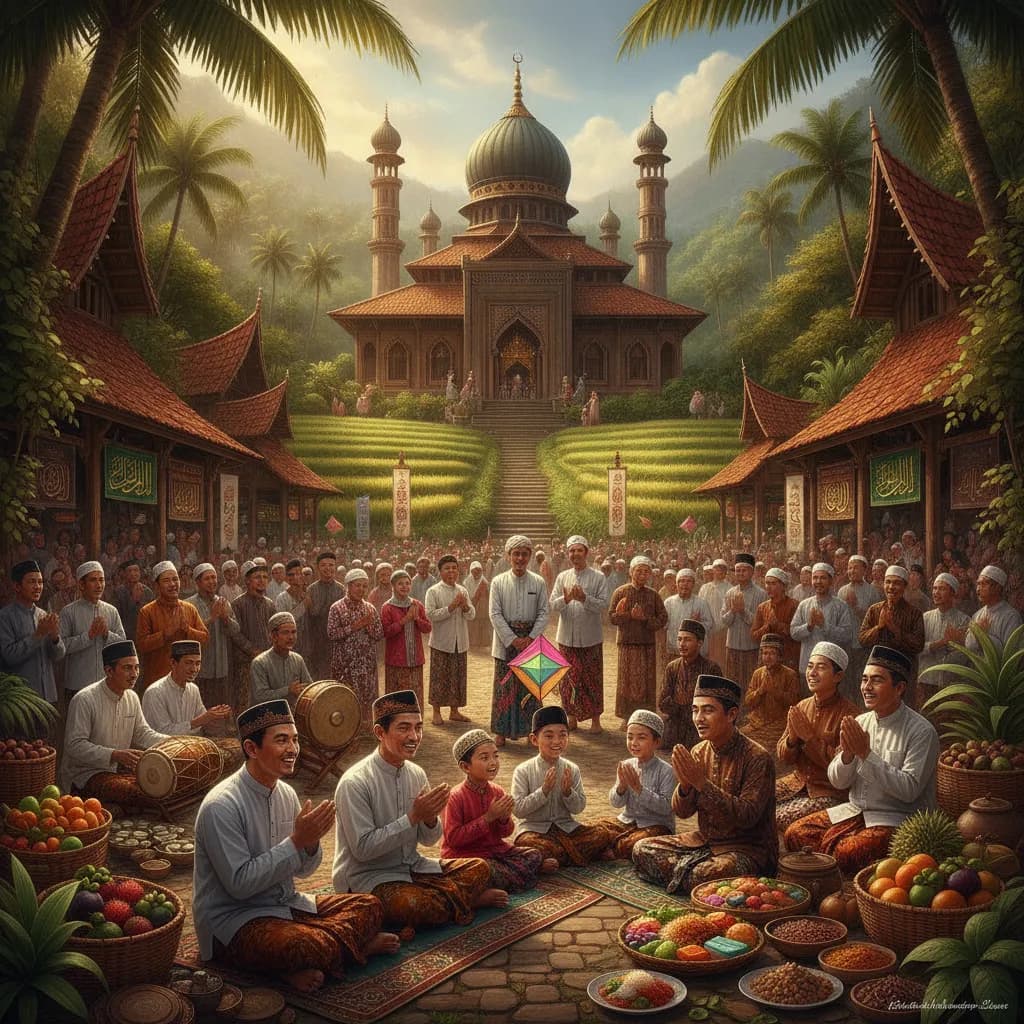
The country with the largest Muslim population in the world isn't in the Middle East at all — it's Indonesia, in Southeast Asia.
Cheat Sheet
- Islam is one of the world's largest religions, founded in the 7th century CE in the Arabian Peninsula, centered on the belief that Muhammad received divine revelations later compiled into the Quran, Islam's holy text.
- The Five Pillars of Islam — declaration of faith, prayer, almsgiving, fasting during Ramadan, and pilgrimage to Mecca — form the core religious obligations for practicing Muslims.
- Islam shares significant historical and theological roots with Judaism and Christianity, all tracing back to the patriarch Abraham and collectively referred to as the Abrahamic religions.
- Islam is practiced by well over a billion people worldwide, spanning a vast range of ethnicities, cultures, and countries, with the largest Muslim populations found in Asia rather than the Middle East.
- Islam includes two main branches, Sunni and Shia, which developed following a historical disagreement over religious succession after Muhammad's death, and which continue to have somewhat distinct practices and traditions today.
- Ramadan, the Islamic holy month involving daily fasting from dawn until sunset, is one of the Five Pillars and among the most widely observed practices across the global Muslim community.
The 60-Second Version
Islam is one of the world's largest religions, founded in the 7th century CE in the Arabian Peninsula, centered on the belief that Muhammad received divine revelations later compiled into the Quran, Islam's holy text. The Five Pillars of Islam, declaration of faith, prayer, almsgiving, fasting during Ramadan, and pilgrimage to Mecca, form the core religious obligations for practicing Muslims. Islam shares significant historical and theological roots with Judaism and Christianity, all tracing back to the patriarch Abraham and collectively referred to as the Abrahamic religions. Islam is practiced by well over a billion people worldwide, spanning a vast range of ethnicities, cultures, and countries, with the largest Muslim populations found in Asia rather than the Middle East. Islam includes two main branches, Sunni and Shia, which developed following a historical disagreement over religious succession after Muhammad's death, and which continue to have somewhat distinct practices and traditions today. Ramadan, the Islamic holy month involving daily fasting from dawn until sunset, is one of the Five Pillars and among the most widely observed practices across the global Muslim community.
The Long Version
Origins and the Quran
Islam traces its origin to 7th-century CE Arabia, centered on the belief that the Prophet Muhammad received a series of divine revelations over the course of his life, which were later compiled into the Quran, regarded by Muslims as Islam's central holy text and the direct word of God.
The Five Pillars: Islam's Core Obligations
The Five Pillars of Islam form the religion's foundational framework of practice: declaring one's faith, performing regular prescribed prayer, giving to charity, fasting during the holy month of Ramadan, and undertaking pilgrimage to Mecca at least once if able, together shaping the core rhythm of a practicing Muslim's religious life.
Shared Roots With Judaism and Christianity
Islam shares significant historical and theological roots with Judaism and Christianity, with all three religions tracing their origins back to the patriarch Abraham, a connection that has led to their being collectively referred to as the Abrahamic religions, despite the significant theological differences that have also developed between them over time.
A Global Religion Centered in Asia, Not Just the Middle East
Islam is practiced by well over a billion people worldwide, and while often closely associated with the Middle East, the countries with the largest Muslim populations are actually located in Asia, reflecting the religion's genuinely global spread across an enormous range of cultures and ethnicities. Islam also includes two main branches, Sunni and Shia, which developed following a historical disagreement over religious succession after Muhammad's death, each maintaining somewhat distinct practices and traditions that continue today.
Ad slot (placeholder — set NEXT_PUBLIC_ADSENSE_SLOT_ID once an ad unit is created)
Glossary
- Quran
- Islam's central holy text, believed by Muslims to contain the divine revelations received by the Prophet Muhammad.
- Five Pillars of Islam
- The core religious obligations for practicing Muslims: declaration of faith, prayer, almsgiving, fasting, and pilgrimage.
- Ramadan
- The Islamic holy month involving daily fasting from dawn until sunset, one of the Five Pillars.
- Sunni / Shia
- Islam's two main branches, which developed following a historical disagreement over religious succession after Muhammad's death.
- Abrahamic religions
- The group of religions, including Judaism, Christianity, and Islam, tracing back to the patriarch Abraham.