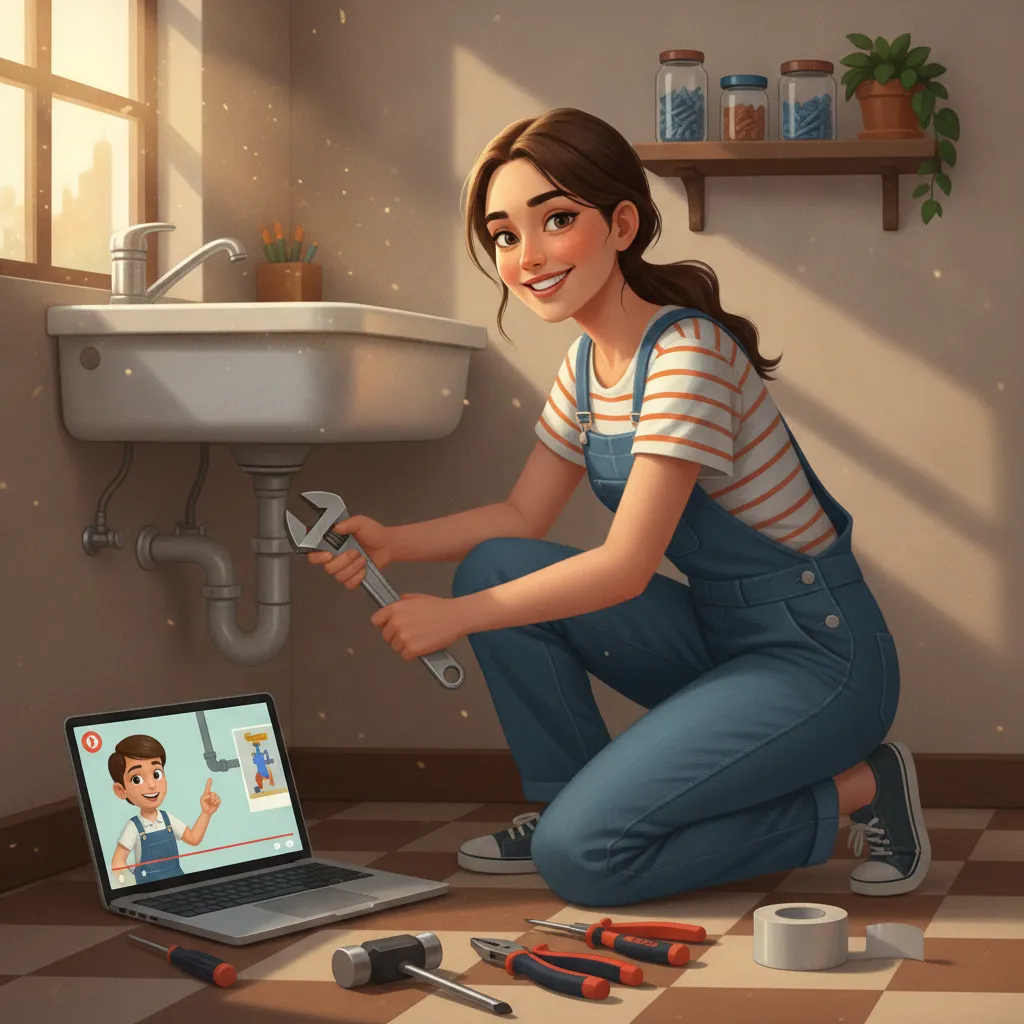
Basic Home Repairs
A surprisingly large share of common household repairs come down to just a handful of tools and a willingness to watch one good tutorial before starting.
Cheat Sheet
- Basic home repairs cover common, relatively low-complexity fixes homeowners and renters can often handle themselves, including patching drywall, unclogging drains, and fixing a running toilet.
- A small, well-stocked toolkit, including a good screwdriver set, adjustable wrench, hammer, and level, covers the large majority of basic home repair needs without requiring specialized equipment.
- Knowing when to call a licensed professional matters considerably, since certain repairs, particularly involving electrical wiring or gas lines, carry genuine safety risks and often legal requirements for licensed work.
- Many rental agreements specify which repairs are the tenant's responsibility versus the landlord's, making it worth checking a lease before attempting or paying for a repair that may not actually be the tenant's obligation.
- Preventive maintenance, such as regularly checking smoke detector batteries and cleaning gutters, can meaningfully reduce the frequency and severity of larger, more expensive repairs down the line.
- Online video tutorials have made basic home repair skills considerably more accessible to average homeowners, though verifying a source's credibility remains important, particularly for anything involving electrical or structural work.
The 60-Second Version
Basic home repairs cover common, relatively low-complexity fixes homeowners and renters can often handle themselves, including patching drywall, unclogging drains, and fixing a running toilet. A small, well-stocked toolkit, including a good screwdriver set, adjustable wrench, hammer, and level, covers the large majority of basic home repair needs without requiring specialized equipment. Knowing when to call a licensed professional matters considerably, since certain repairs, particularly involving electrical wiring or gas lines, carry genuine safety risks and often legal requirements for licensed work. Many rental agreements specify which repairs are the tenant's responsibility versus the landlord's, making it worth checking a lease before attempting or paying for a repair that may not actually be the tenant's obligation. Preventive maintenance, such as regularly checking smoke detector batteries and cleaning gutters, can meaningfully reduce the frequency and severity of larger, more expensive repairs down the line. Online video tutorials have made basic home repair skills considerably more accessible to average homeowners, though verifying a source's credibility remains important, particularly for anything involving electrical or structural work.
The Long Version
The Repairs Most People Can Handle Themselves
Basic home repairs generally include relatively low-complexity, common fixes such as patching small holes or cracks in drywall, clearing a clogged drain, fixing a running or leaking toilet, and re-caulking around a sink or bathtub, tasks that typically require only modest tools and a bit of patience rather than specialized professional training.
A Small Toolkit Covers Most of What You'll Need
A relatively modest, well-stocked toolkit, including a good screwdriver set, an adjustable wrench, a hammer, a level, and a basic drill, covers the large majority of basic home repair needs, meaning most homeowners don't need an extensive or expensive tool collection to handle the most common household fixes themselves.
Knowing Your Own Limits
Knowing when to call a licensed professional matters considerably, since certain repairs, particularly anything involving electrical wiring or gas lines, carry genuine safety risks and, in many places, legal requirements that the work be performed or signed off on by a licensed tradesperson, making these an important category to recognize and hand off rather than attempt independently.
Renters, Leases, and the Value of Prevention
For renters specifically, many lease agreements explicitly specify which repairs fall under tenant responsibility versus landlord responsibility, making it worth reviewing a lease carefully before spending time or money on a repair that might not actually be the tenant's obligation to handle. Separately, for homeowners, consistent preventive maintenance, such as regularly checking smoke detector batteries and cleaning out gutters, can meaningfully reduce how often larger, more expensive repairs become necessary in the first place.
Ad slot (placeholder — set NEXT_PUBLIC_ADSENSE_SLOT_ID once an ad unit is created)
Glossary
- Drywall
- The common wall material found in most modern homes, frequently requiring patching after minor damage.
- Running toilet
- A toilet that continues to run water after flushing, one of the most common basic home repair issues.
- Preventive maintenance
- Regular, proactive upkeep tasks intended to reduce the likelihood of larger repairs becoming necessary later.
- Licensed professional
- A certified tradesperson, such as an electrician or plumber, required for certain repairs involving safety or legal considerations.
- Lease repair clause
- The section of a rental agreement specifying which repairs are the tenant's responsibility versus the landlord's.