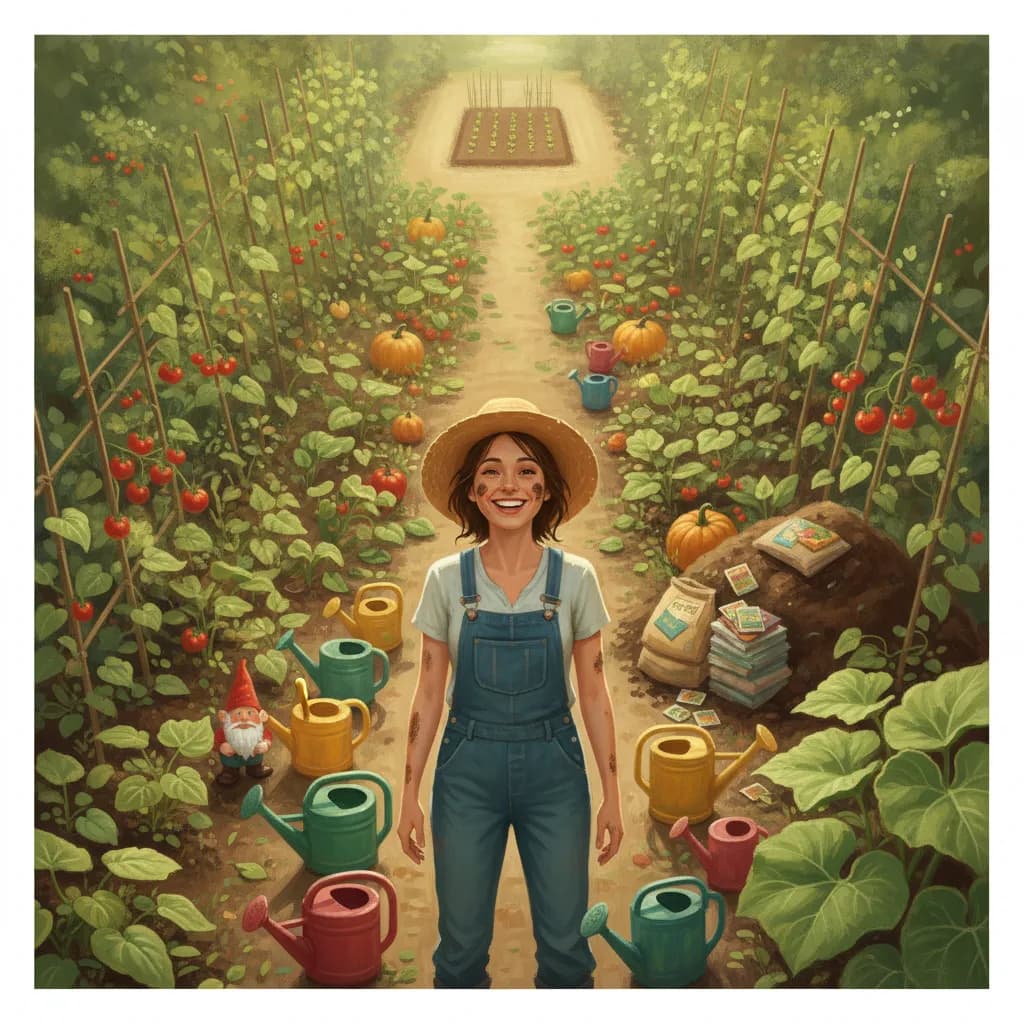
Vegetable Gardening
The single most common mistake first-time vegetable gardeners make isn't a watering or soil problem — it's simply starting with a garden way too ambitious for a first year.
Cheat Sheet
- Vegetable gardening involves growing edible plants for personal consumption, ranging from small container gardens on a balcony to larger backyard plots.
- Understanding a specific region's growing zone and average first and last frost dates is essential for timing planting correctly and choosing appropriate vegetable varieties.
- Soil quality, including proper drainage, nutrient content, and pH level, significantly affects vegetable growth, often mattering more to overall gardening success than the specific vegetable variety chosen.
- Companion planting, growing certain vegetables near each other based on beneficial interactions like pest deterrence or efficient space use, is a widely practiced traditional gardening technique.
- Consistent watering, particularly during a plant's early establishment period and during fruit or vegetable formation, is one of the most significant factors determining overall vegetable garden yield and quality.
- Starting with a smaller garden plot and a few reliably easy-to-grow vegetables, rather than an overly ambitious first-year garden, is commonly recommended advice for beginning gardeners.
The 60-Second Version
Vegetable gardening involves growing edible plants for personal consumption, ranging from small container gardens on a balcony to larger backyard plots. Understanding a specific region's growing zone and average first and last frost dates is essential for timing planting correctly and choosing appropriate vegetable varieties. Soil quality, including proper drainage, nutrient content, and pH level, significantly affects vegetable growth, often mattering more to overall gardening success than the specific vegetable variety chosen. Companion planting, growing certain vegetables near each other based on beneficial interactions like pest deterrence or efficient space use, is a widely practiced traditional gardening technique. Consistent watering, particularly during a plant's early establishment period and during fruit or vegetable formation, is one of the most significant factors determining overall vegetable garden yield and quality. Starting with a smaller garden plot and a few reliably easy-to-grow vegetables, rather than an overly ambitious first-year garden, is commonly recommended advice for beginning gardeners.
The Long Version
Timing Planting to Your Climate
Understanding a specific region's growing zone, a geographic classification reflecting local climate conditions, along with its average first and last frost dates, is essential for timing vegetable planting correctly and selecting varieties genuinely suited to that region's growing season length and climate, since planting too early or too late relative to frost dates can significantly damage or kill young plants.
Why Soil Quality Often Matters Most
Soil quality, including proper drainage, adequate nutrient content, and an appropriate pH level for the specific vegetables being grown, significantly affects overall plant growth and yield, and experienced gardeners frequently emphasize that soil quality matters more to overall success than the specific vegetable variety chosen, since even a well-suited variety will struggle in genuinely poor soil conditions.
Growing Vegetables That Help Each Other
Companion planting, a traditional gardening technique of deliberately growing certain vegetables near each other based on beneficial interactions, such as one plant naturally deterring pests that commonly affect another, or efficiently sharing limited garden space between plants with different growth habits, remains a widely practiced approach among both hobbyist and experienced vegetable gardeners.
Consistent Water, and Starting Small
Consistent watering, particularly during a young plant's early establishment period and again during active fruit or vegetable formation, is one of the most significant factors determining overall vegetable garden yield and quality, since inconsistent watering can cause stress that measurably affects plant health and harvest size. For beginners specifically, starting with a smaller garden plot and a handful of reliably easy-to-grow vegetables, rather than an overly ambitious first-year garden, is commonly recommended advice, since a smaller, well-tended garden tends to produce a considerably more successful and encouraging first experience than a larger one that becomes difficult to properly maintain.
Ad slot (placeholder — set NEXT_PUBLIC_ADSENSE_SLOT_ID once an ad unit is created)
Glossary
- Growing zone
- A geographic classification indicating a region's climate conditions, used to determine which plants will thrive and appropriate planting timing.
- Frost date
- The average date of a region's last spring frost or first fall frost, critical for timing vegetable planting correctly.
- Companion planting
- A traditional gardening technique of growing certain vegetables near each other based on beneficial interactions.
- Soil pH
- A measure of soil acidity or alkalinity, significantly affecting which nutrients are available to growing vegetables.
- Container gardening
- Growing vegetables in pots or containers rather than directly in the ground, well-suited to balconies or limited space.
Go Deeper
- US Department of Agriculture — Plant Hardiness Zone Map
- Cooperative Extension System — Vegetable Gardening