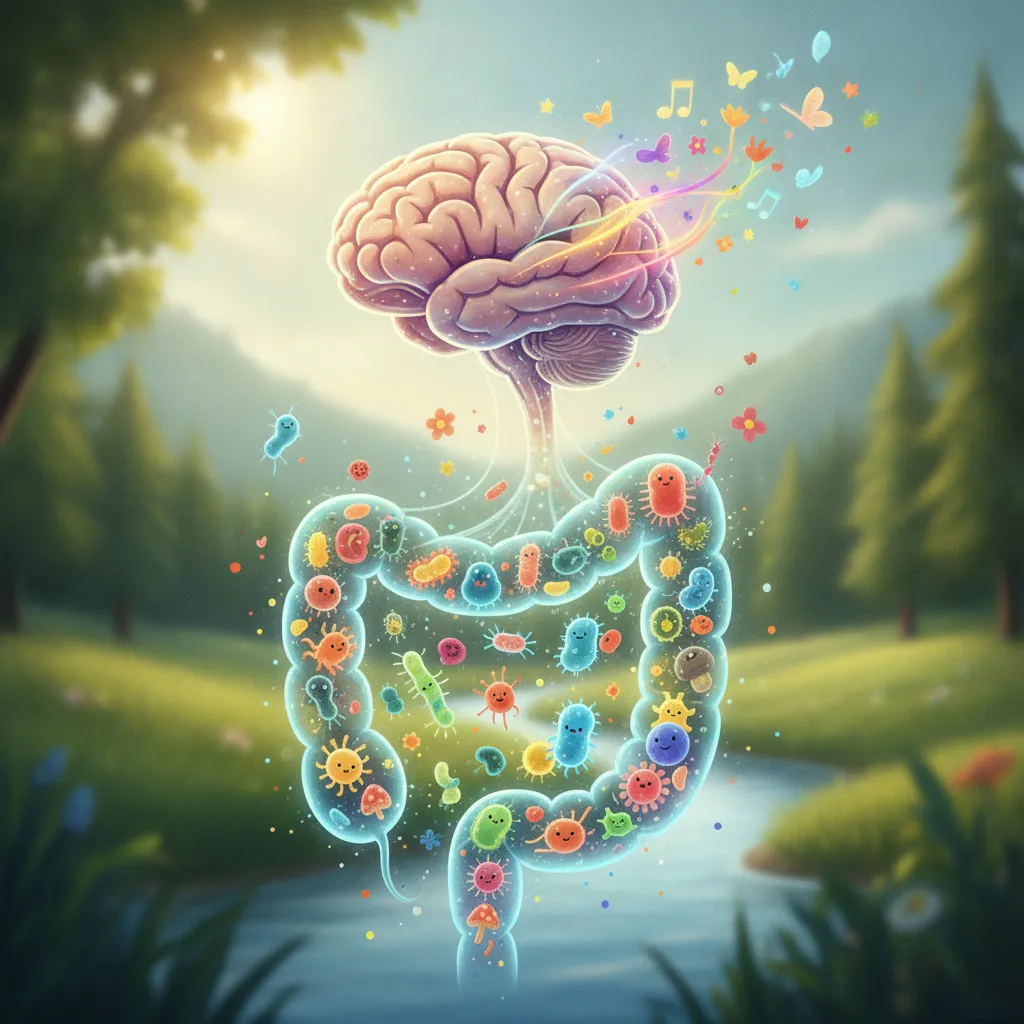
The Microbiome
Your gut is home to trillions of microorganisms — and increasingly, scientists suspect at least some of them may have a say in your mood.
Cheat Sheet
- The human microbiome refers to the trillions of bacteria, viruses, fungi, and other microorganisms that live in and on the human body, particularly concentrated in the gut.
- Far from being purely harmful, the vast majority of microbiome organisms are harmless or actively beneficial, playing important roles in digestion, immune function, and even mood regulation.
- Each person's microbiome is highly individual, shaped by factors including diet, environment, medications, and early-life exposures like whether they were breastfed as an infant.
- The gut microbiome communicates with the brain through what's often called the "gut-brain axis," an area of active and rapidly evolving scientific research.
- Antibiotics, while effective against harmful bacterial infections, can also significantly disrupt the beneficial bacteria that make up a healthy microbiome, sometimes with lasting effects.
- Microbiome research remains a relatively young and rapidly evolving scientific field, and while promising, many popular claims about specific probiotic products outpace the current strength of the actual scientific evidence.
The 60-Second Version
The human microbiome refers to the trillions of bacteria, viruses, fungi, and other microorganisms that live in and on the human body, particularly concentrated in the gut. Far from being purely harmful, the vast majority of microbiome organisms are harmless or actively beneficial, playing important roles in digestion, immune function, and even mood regulation. Each person's microbiome is highly individual, shaped by factors including diet, environment, medications, and early-life exposures like whether they were breastfed as an infant. The gut microbiome communicates with the brain through what's often called the "gut-brain axis," an area of active and rapidly evolving scientific research. Antibiotics, while effective against harmful bacterial infections, can also significantly disrupt the beneficial bacteria that make up a healthy microbiome, sometimes with lasting effects. Microbiome research remains a relatively young and rapidly evolving scientific field, and while promising, many popular claims about specific probiotic products outpace the current strength of the actual scientific evidence.
The Long Version
Not All Bacteria Are the Enemy
Popular perception often frames bacteria and other microorganisms primarily as threats to be avoided or eliminated, but the vast majority of the trillions of microorganisms making up the human microbiome are either harmless or actively beneficial, playing essential roles in digesting food, synthesizing certain vitamins, and training and regulating immune function.
A Microbiome as Unique as a Fingerprint
Each individual's microbiome composition is shaped by a wide combination of factors, including diet, environment, medication history, and even early-life exposures like whether an infant was breastfed or delivered vaginally versus by cesarean section, producing a microbiome composition that's highly individual and can vary considerably between people.
The Gut-Brain Connection
Researchers have identified an active communication pathway, often called the gut-brain axis, connecting the gut microbiome and the brain, involving the nervous system, immune signaling, and microbial byproducts. This remains an actively evolving area of scientific research, with growing evidence suggesting the gut microbiome may influence mood and mental health in ways not yet fully understood.
Antibiotics and the Limits of Current Evidence
While antibiotics are highly effective at treating harmful bacterial infections, they can also significantly disrupt the balance of beneficial bacteria that make up a healthy microbiome, an effect that can persist for some time after treatment ends. Despite growing scientific interest in the microbiome, many popular commercial probiotic products make specific health claims that outpace the current strength of rigorous scientific evidence, an important distinction to keep in mind given how young this overall research field still is.
Ad slot (placeholder — set NEXT_PUBLIC_ADSENSE_SLOT_ID once an ad unit is created)
Glossary
- Microbiome
- The full community of bacteria, viruses, fungi, and other microorganisms living in and on the human body.
- Gut microbiome
- The specific, particularly dense and influential community of microorganisms living in the digestive tract.
- Gut-brain axis
- The communication pathway connecting the gut microbiome and the brain, an active area of ongoing research.
- Probiotic
- A product or supplement containing live microorganisms intended to support or restore a healthy microbiome.
- Dysbiosis
- An imbalance in the microbiome's normal composition, sometimes linked to various health issues.