Antibiotics
A single accidental discovery in a London laboratory in 1928 turned once-routinely-fatal bacterial infections into something treatable in days.
Cheat Sheet
- Antibiotics are medications that kill or stop the growth of bacteria, treating bacterial infections but having no effect whatsoever on viral illnesses like the common cold or flu.
- The discovery of penicillin by Alexander Fleming in 1928 is widely credited as the breakthrough that launched the modern antibiotic era, transforming once-deadly bacterial infections into treatable conditions.
- Antibiotic resistance, where bacteria evolve to survive drugs that once killed them, has been identified by major health organizations as one of the most serious ongoing threats to global public health.
- Overuse and misuse of antibiotics, including unnecessary prescriptions for viral illnesses and failing to complete a prescribed course, are significant contributing factors to accelerating antibiotic resistance.
- Antibiotics don't discriminate between harmful and beneficial bacteria, meaning a course of antibiotics can significantly disrupt the body's normal, beneficial microbiome alongside the infection being treated.
- Development of genuinely new classes of antibiotics has slowed considerably in recent decades, a significant concern given the accelerating pace of bacterial resistance worldwide.
The 60-Second Version
Antibiotics are medications that kill or stop the growth of bacteria, treating bacterial infections but having no effect whatsoever on viral illnesses like the common cold or flu. The discovery of penicillin by Alexander Fleming in 1928 is widely credited as the breakthrough that launched the modern antibiotic era, transforming once-deadly bacterial infections into treatable conditions. Antibiotic resistance, where bacteria evolve to survive drugs that once killed them, has been identified by major health organizations as one of the most serious ongoing threats to global public health. Overuse and misuse of antibiotics, including unnecessary prescriptions for viral illnesses and failing to complete a prescribed course, are significant contributing factors to accelerating antibiotic resistance. Antibiotics don't discriminate between harmful and beneficial bacteria, meaning a course of antibiotics can significantly disrupt the body's normal, beneficial microbiome alongside the infection being treated. Development of genuinely new classes of antibiotics has slowed considerably in recent decades, a significant concern given the accelerating pace of bacterial resistance worldwide.
The Long Version
An Accidental Discovery That Changed Medicine
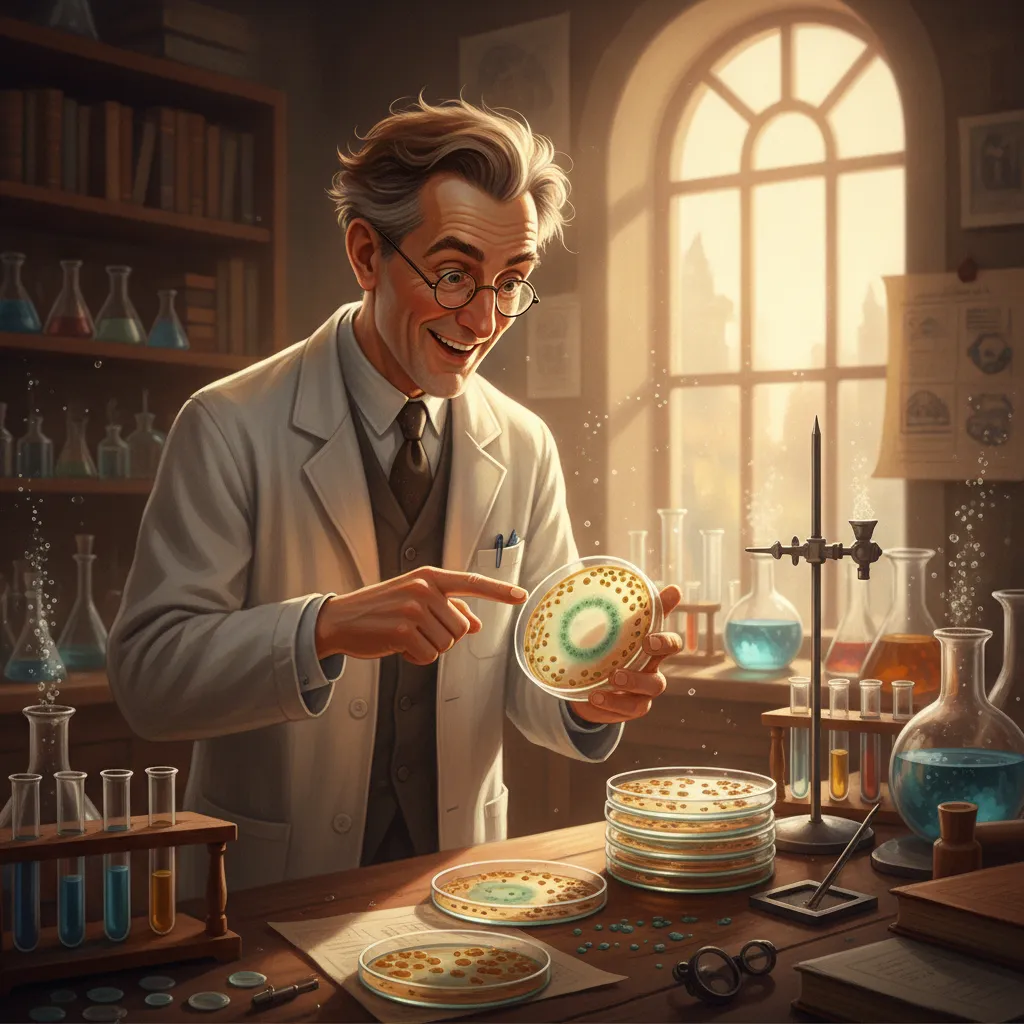
In 1928, Scottish scientist Alexander Fleming noticed that a mold accidentally contaminating one of his bacterial culture plates appeared to be killing the surrounding bacteria, a discovery that led to the development of penicillin, the first widely used antibiotic, and launched what's now considered the modern antibiotic era, transforming bacterial infections that had previously often been fatal into routinely treatable conditions.
Antibiotics Target Bacteria, Not Viruses
Antibiotics work specifically by killing bacteria or preventing their growth and reproduction, meaning they're effective only against bacterial infections and have absolutely no therapeutic effect on viral illnesses like the common cold, flu, or many other common respiratory infections, an important and frequently misunderstood distinction in everyday medical decision-making.
The Growing Threat of Resistance
Antibiotic resistance occurs when bacteria evolve mechanisms to survive exposure to antibiotics that previously would have killed them, a natural evolutionary process significantly accelerated by widespread antibiotic overuse and misuse, including prescribing antibiotics unnecessarily for viral illnesses and patients not completing a full prescribed course. Major global health organizations have identified this trend as one of the most serious ongoing threats to public health worldwide.
Collateral Damage to the Microbiome, and a Slowing Pipeline
Because antibiotics generally can't distinguish between harmful bacteria causing an infection and the body's own beneficial bacteria, a course of antibiotic treatment can significantly disrupt the normal, healthy microbiome, sometimes with effects lasting well beyond the treatment period itself. Compounding the resistance problem, the pace of genuinely new antibiotic class development has slowed considerably in recent decades, raising serious concern among public health experts about the future pipeline of effective treatments as existing drugs become less reliable.
Ad slot (placeholder — set NEXT_PUBLIC_ADSENSE_SLOT_ID once an ad unit is created)
Glossary
- Penicillin
- The first widely used antibiotic, discovered by Alexander Fleming in 1928, which launched the modern antibiotic era.
- Antibiotic resistance
- The process by which bacteria evolve to survive antibiotics that previously killed them, a major global public health concern.
- Broad-spectrum antibiotic
- An antibiotic effective against a wide range of different bacteria, as opposed to one targeting a specific type.
- Bacterial infection
- An illness caused by harmful bacteria, treatable with antibiotics, as opposed to a viral infection, which antibiotics cannot treat.
- Microbiome disruption
- The unintended effect of antibiotics killing beneficial bacteria alongside the harmful bacteria being targeted.