Cocktails
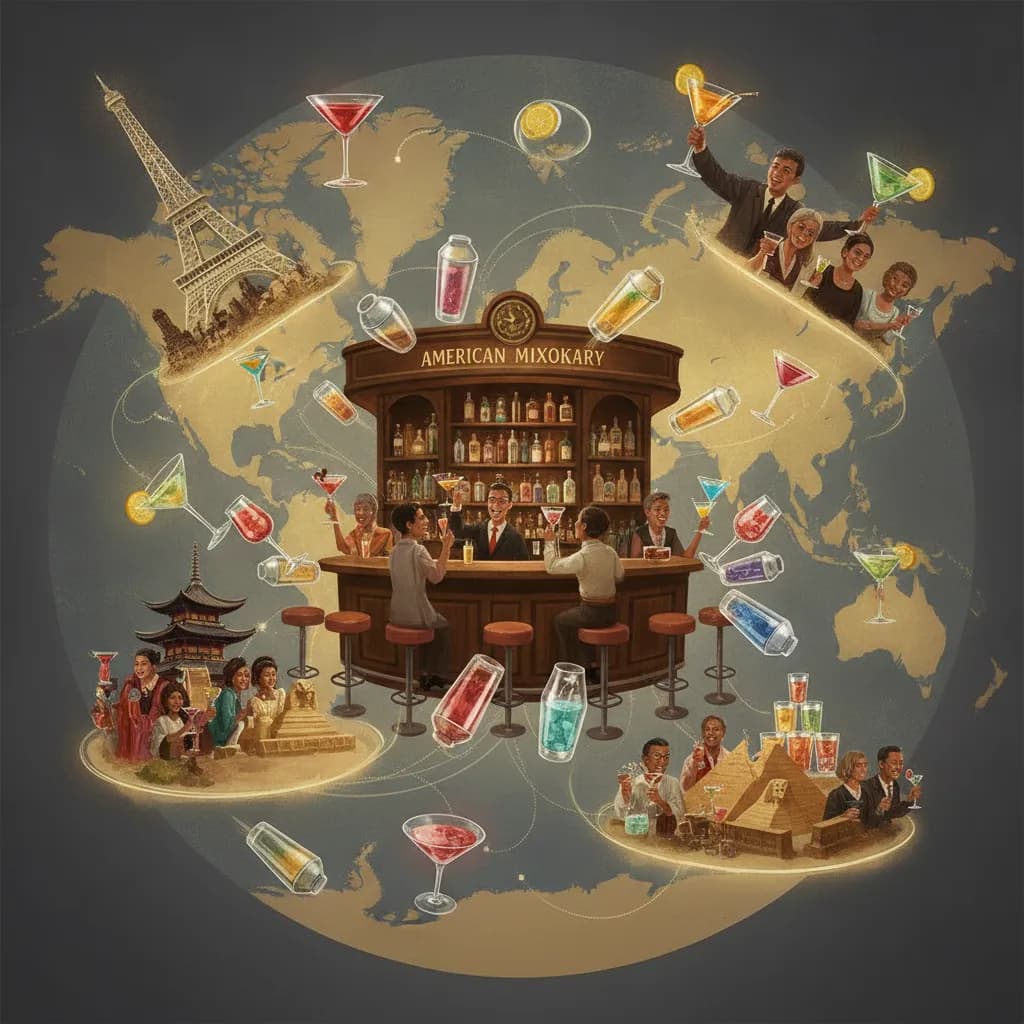
A nationwide ban on alcohol, intended to stop drinking altogether, arguably ended up helping export American cocktail culture to bars around the entire world.
Cheat Sheet
- A cocktail is a mixed alcoholic drink typically combining a base spirit with additional ingredients like mixers, bitters, juice, or sweeteners, designed to balance flavor in a specific, intentional way.
- Classic cocktails, including the Martini, Old Fashioned, and Manhattan, established foundational templates and techniques that countless later cocktail variations continue to draw from.
- The concept of "balance" — typically among a spirit's strength, acidity, sweetness, and dilution — is a central principle bartenders use when designing or evaluating a cocktail's overall quality.
- Prohibition in the United States (1920-1933), rather than eliminating cocktail culture, arguably helped spread it internationally, as American bartenders relocated abroad and helped popularize cocktails in cities like London and Paris.
- The "craft cocktail" movement, which gained significant momentum starting in the early 2000s, emphasizes quality ingredients, historical technique, and careful preparation, reviving interest in pre-Prohibition-era recipes and methods.
- Ice, often overlooked, plays a significant functional role in cocktails beyond simple chilling, affecting dilution rate and, in some presentations, contributing meaningfully to a drink's visual appeal.
The 60-Second Version
A cocktail is a mixed alcoholic drink typically combining a base spirit with additional ingredients like mixers, bitters, juice, or sweeteners, designed to balance flavor in a specific, intentional way. Classic cocktails, including the Martini, Old Fashioned, and Manhattan, established foundational templates and techniques that countless later cocktail variations continue to draw from. The concept of "balance," typically among a spirit's strength, acidity, sweetness, and dilution, is a central principle bartenders use when designing or evaluating a cocktail's overall quality. Prohibition in the United States, from 1920 to 1933, rather than eliminating cocktail culture, arguably helped spread it internationally, as American bartenders relocated abroad and helped popularize cocktails in cities like London and Paris. The "craft cocktail" movement, which gained significant momentum starting in the early 2000s, emphasizes quality ingredients, historical technique, and careful preparation, reviving interest in pre-Prohibition-era recipes and methods. Ice, often overlooked, plays a significant functional role in cocktails beyond simple chilling, affecting dilution rate and, in some presentations, contributing meaningfully to a drink's visual appeal.
The Long Version
Classic Templates That Shaped Everything After
Foundational classic cocktails, including the Martini, Old Fashioned, and Manhattan, established core structural templates, typically a base spirit combined with a small number of complementary ingredients, that countless later cocktail variations continue to draw directly from, making these classics a useful reference point for understanding much of cocktail design more broadly.
The Central Principle of Balance
Bartenders generally treat "balance," the careful interplay among a cocktail's core elements including the base spirit's strength, acidity, sweetness, and eventual dilution from ice, as the central organizing principle behind both designing new cocktails and evaluating existing ones, since an imbalance in any single element can throw off a drink's overall character even if individual ingredients are each high quality.
How Prohibition Accidentally Spread American Cocktail Culture
Prohibition in the United States, spanning 1920 to 1933, banned the legal sale of alcohol domestically, but rather than eliminating cocktail culture, it arguably helped export it internationally, as experienced American bartenders relocated abroad to continue practicing their craft legally, helping popularize American-style cocktails in major international cities including London and Paris during this period.
A Modern Revival of Pre-Prohibition Technique
The craft cocktail movement, which gained substantial momentum starting in the early 2000s, has emphasized a return to quality ingredients, careful measurement, and historically accurate technique, reviving significant interest in pre-Prohibition-era recipes and preparation methods that had, in many cases, been considerably simplified or lost during the intervening decades.
Ad slot (placeholder — set NEXT_PUBLIC_ADSENSE_SLOT_ID once an ad unit is created)
Glossary
- Base spirit
- The primary alcoholic ingredient in a cocktail, such as gin, whiskey, or rum, around which the rest of the drink is typically built.
- Bitters
- A concentrated flavoring ingredient, often herbal or aromatic, used in small amounts to add complexity to a cocktail.
- Dilution
- The gradual addition of water from melting ice, an intentional and carefully managed part of a cocktail's final balance.
- Prohibition
- The 1920-1933 period of alcohol prohibition in the United States, which arguably helped spread American cocktail culture internationally.
- Craft cocktail movement
- A movement, gaining momentum in the early 2000s, emphasizing quality ingredients and historical technique in cocktail preparation.