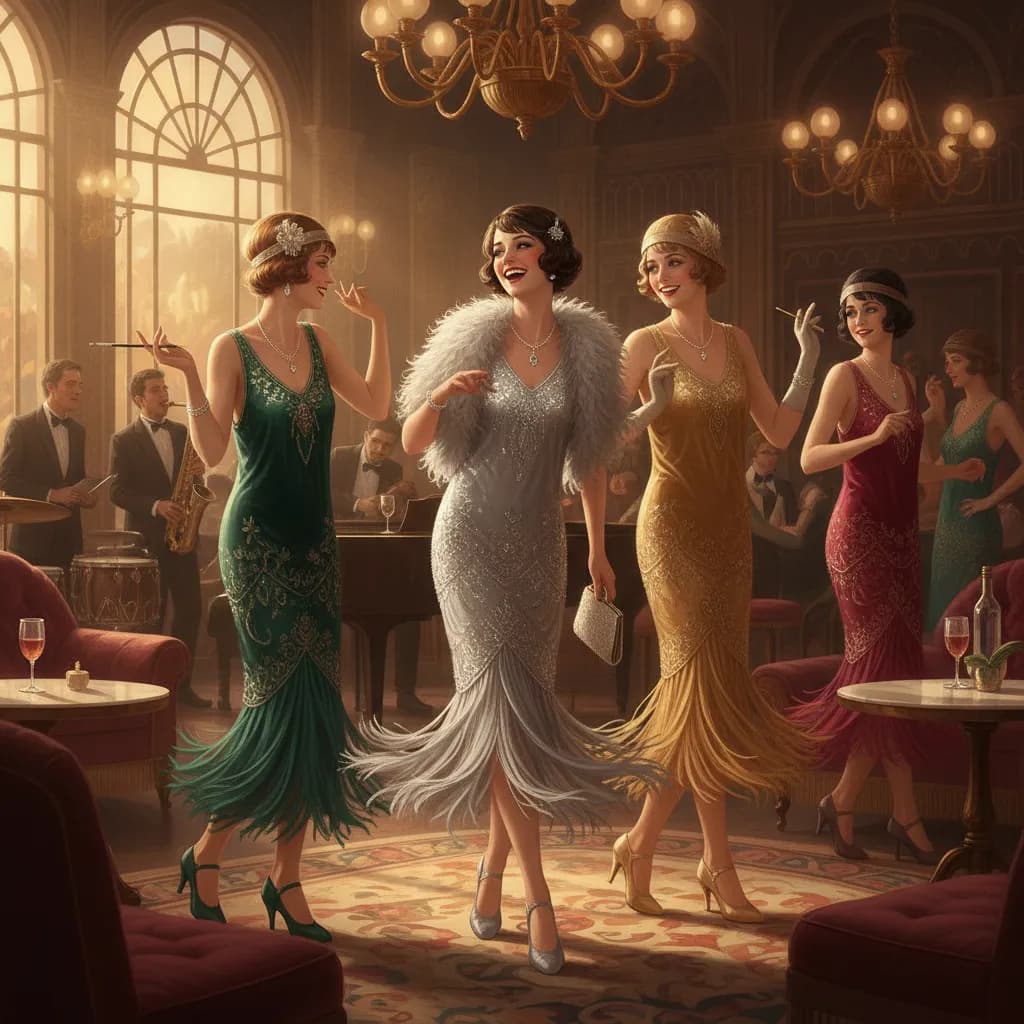
Vintage Fashion
A single decade of clothing can carry an instantly recognizable silhouette all its own — spotting the difference between a genuine original piece and a modern "vintage-inspired" copy takes a genuinely trained eye.
Cheat Sheet
- Vintage fashion generally refers to clothing that is at least 20 years old, distinguishing it from "antique" clothing, typically defined as significantly older, often over 100 years.
- Vintage clothing is valued for a combination of reasons, including distinctive period-specific design, often higher manufacturing quality compared to some modern fast fashion, and genuine historical or cultural significance.
- Specific decades, such as the 1920s, 1950s, and 1990s, are particularly popular and recognizable vintage fashion eras, each associated with distinct, easily identifiable silhouettes and design details.
- Vintage shopping has grown significantly in popularity partly as a more sustainable and lower-cost alternative to buying new clothing, reducing both textile waste and reliance on new manufacturing.
- Determining a vintage garment's authenticity and specific era often requires close attention to construction details, fabric type, and manufacturer labels, since reproductions and modern "vintage-inspired" clothing are common in the broader market.
- The vintage fashion market includes a wide range of access points, from curated boutique resellers to large online marketplaces and secondhand thrift stores, each offering meaningfully different pricing and selection.
The 60-Second Version
Vintage fashion generally refers to clothing that is at least 20 years old, distinguishing it from "antique" clothing, typically defined as significantly older, often over 100 years. Vintage clothing is valued for a combination of reasons, including distinctive period-specific design, often higher manufacturing quality compared to some modern fast fashion, and genuine historical or cultural significance. Specific decades, such as the 1920s, 1950s, and 1990s, are particularly popular and recognizable vintage fashion eras, each associated with distinct, easily identifiable silhouettes and design details. Vintage shopping has grown significantly in popularity partly as a more sustainable and lower-cost alternative to buying new clothing, reducing both textile waste and reliance on new manufacturing. Determining a vintage garment's authenticity and specific era often requires close attention to construction details, fabric type, and manufacturer labels, since reproductions and modern "vintage-inspired" clothing are common in the broader market. The vintage fashion market includes a wide range of access points, from curated boutique resellers to large online marketplaces and secondhand thrift stores, each offering meaningfully different pricing and selection.
The Long Version
Vintage vs. Antique: Where the Line Is Drawn
Vintage fashion generally refers to clothing at least 20 years old, a threshold distinguishing it from "antique" clothing, typically defined as considerably older, often over 100 years, a distinction that matters both for collectors and for accurately describing and valuing a given garment within the broader secondhand fashion market.
Why Certain Decades Are So Recognizable
Specific decades, most notably the 1920s, 1950s, and 1990s among others, are particularly popular and immediately recognizable vintage fashion eras, each associated with distinct, easily identifiable silhouettes, fabric choices, and design details that reflect the broader cultural and technological context of that specific time period, making certain decades considerably more sought-after and collectible than others.
Quality, History, and a More Sustainable Alternative
Vintage clothing is valued for a combination of factors beyond simple nostalgia: distinctive period-specific design not easily replicated by modern fashion, often notably higher manufacturing quality compared to some contemporary fast fashion, and genuine historical or cultural significance tied to the era it originates from. This combination has helped drive vintage shopping's significant growth in popularity, partly as a more sustainable and often lower-cost alternative to buying new clothing, reducing both textile waste and reliance on new manufacturing.
Spotting the Real Thing
Determining a vintage garment's genuine authenticity and specific era of origin often requires close attention to construction details, including stitching methods, specific fabric types, and manufacturer labels, since modern "vintage-inspired" reproductions, designed to resemble a past era's style without actually being original period pieces, are common throughout the broader secondhand and retail fashion market, making careful examination genuinely important for serious collectors.
Ad slot (placeholder — set NEXT_PUBLIC_ADSENSE_SLOT_ID once an ad unit is created)
Glossary
- Vintage clothing
- Clothing generally defined as at least 20 years old, distinct from significantly older "antique" clothing.
- Antique clothing
- Clothing typically defined as considerably older than vintage, often over 100 years.
- Vintage-inspired
- Modern clothing designed to resemble a specific past era's style, distinct from genuine period-original vintage clothing.
- Construction details
- Specific stitching, fabric, and manufacturing characteristics used to help identify a vintage garment's authenticity and era.
- Thrift shopping
- Purchasing secondhand clothing, often at lower price points, from thrift or resale stores, a common access point for vintage fashion.