Streetwear
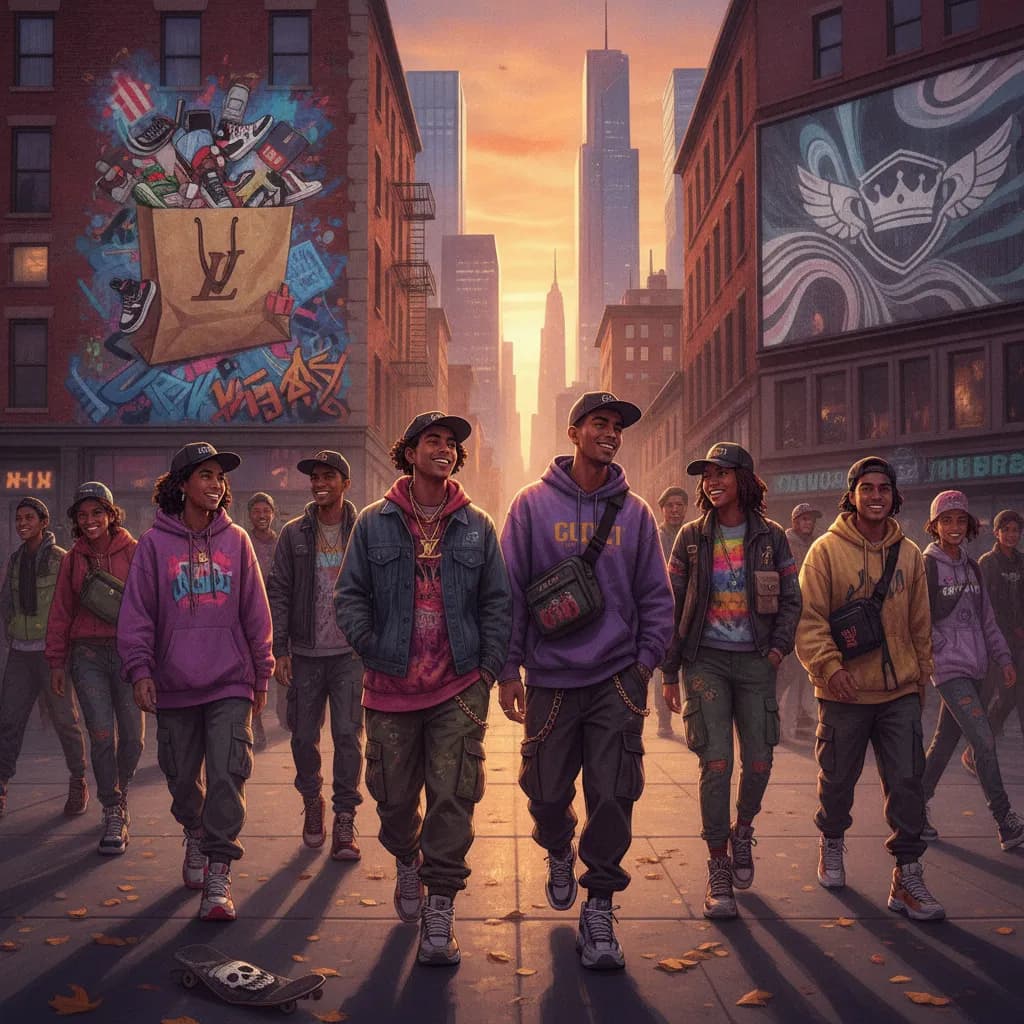
Streetwear started in skate, hip-hop, and surf culture and now teams up with traditional luxury fashion houses.
By Greg Goodwin · Published July 4, 2026 · Updated October 24, 2026
Cheat Sheet
- Streetwear is a casual fashion style that emerged from skateboarding, hip-hop, and surf culture in the 1980s and 1990s, characterized by graphic t-shirts, sneakers, and comfortable, casual silhouettes.
- Limited-edition drops and deliberate product scarcity are a defining commercial strategy in streetwear, generating significant hype and demand well beyond the clothing's practical function.
- Sneakers occupy a particularly central role within streetwear culture, with certain limited releases developing substantial resale markets and collector communities well beyond ordinary athletic footwear.
- Streetwear has evolved considerably from its subcultural, anti-establishment roots into a major mainstream commercial force, including high-profile collaborations between streetwear brands and traditional luxury fashion houses.
- Streetwear's emphasis on brand logos, exclusivity, and cultural authenticity has made social media and online "hype" culture a particularly significant driver of streetwear trends and demand.
- Streetwear's mainstream commercial success has generated ongoing debate within its original subcultural community about whether increased commercialization has diluted the style's original countercultural identity.
The 60-Second Version
Streetwear is a casual fashion style that emerged from skateboarding, hip-hop, and surf culture in the 1980s and 1990s, characterized by graphic t-shirts, sneakers, and comfortable, casual silhouettes. Limited-edition drops and deliberate product scarcity are a defining commercial strategy in streetwear, generating significant hype and demand well beyond the clothing's practical function. Sneakers occupy a particularly central role within streetwear culture, with certain limited releases developing substantial resale markets and collector communities well beyond ordinary athletic footwear. Streetwear has evolved considerably from its subcultural, anti-establishment roots into a major mainstream commercial force, including high-profile collaborations between streetwear brands and traditional luxury fashion houses. Streetwear's emphasis on brand logos, exclusivity, and cultural authenticity has made social media and online "hype" culture a particularly significant driver of streetwear trends and demand. Streetwear's mainstream commercial success has generated ongoing debate within its original subcultural community about whether increased commercialization has diluted the style's original countercultural identity.
The Long Version
Roots in Skate, Hip-Hop, and Surf Culture
Streetwear emerged directly from skateboarding, hip-hop, and surf culture in the 1980s and 1990s, developing a distinct casual aesthetic built around graphic t-shirts, sneakers, and comfortable, relaxed silhouettes, a style that originally reflected the practical and cultural values of these specific subcultures rather than mainstream fashion trends of the time.
Scarcity as a Deliberate Business Strategy
Limited-edition "drops," deliberately scarce product releases, represent a defining commercial strategy within streetwear, generating substantial hype and consumer demand well beyond what the clothing's practical function alone would justify, a strategy that has proven remarkably effective at building sustained brand desirability and cultural relevance.
Why Sneakers Became Central to Streetwear Identity
Sneakers occupy a particularly central and symbolically significant role within streetwear culture, with certain especially sought-after limited releases developing substantial dedicated resale markets and passionate collector communities, transforming sneakers from simple athletic footwear into significant cultural and, in some cases, genuinely valuable collectible objects.
From Subculture to Luxury Collaboration
Streetwear has evolved considerably from its original subcultural, explicitly anti-establishment roots into a major mainstream commercial force, a shift most visibly demonstrated through high-profile collaborations between streetwear brands and traditional luxury fashion houses, partnerships that would have seemed genuinely unlikely during streetwear's earlier, more countercultural period, and which have generated real ongoing debate within the community about whether this commercial embrace has diluted the movement's original identity.
Why People Care
Streetwear's remarkable evolution from a niche countercultural style into a dominant global fashion and business force offers a genuinely compelling case study in how subcultural authenticity, scarcity, and social media hype can combine to reshape an entire industry.
Glossary
- Drop (streetwear)
- A limited-edition product release, a defining commercial strategy in streetwear generating scarcity and demand.
- Hype culture
- The online enthusiasm and anticipation surrounding limited streetwear releases, significantly amplified by social media.
- Sneaker resale market
- The secondary market where limited-release sneakers are resold, often at prices significantly above original retail.
- Streetwear-luxury collaboration
- A partnership between a streetwear brand and a traditional luxury fashion house, reflecting streetwear's mainstream commercial rise.
- Subculture
- A cultural group with distinct values and style, such as the skateboarding and hip-hop scenes from which streetwear originally emerged.
Go Deeper
More to Explore
- The History of Denim
Jeans began as rivet-reinforced work pants in 1873, and it took roughly eighty years for them to become a symbol of teenage rebellion.
- The Little Black Dress
A single black dress was once compared to the Ford Model T for how it made a fashion staple universally accessible.
- Vintage Fashion
Each decade has its own silhouette, and telling a true period piece from a modern "vintage-inspired" copy takes a sharp eye.
- Haute Couture
"Haute couture" isn't just a fancy word for fancy clothes: in France it's a legally protected title with strict requirements.
- Synthetic Fibers
Cotton lost its crown in the early 2000s: the world's most widely produced fiber is now polyester, made by chemistry, not farming.