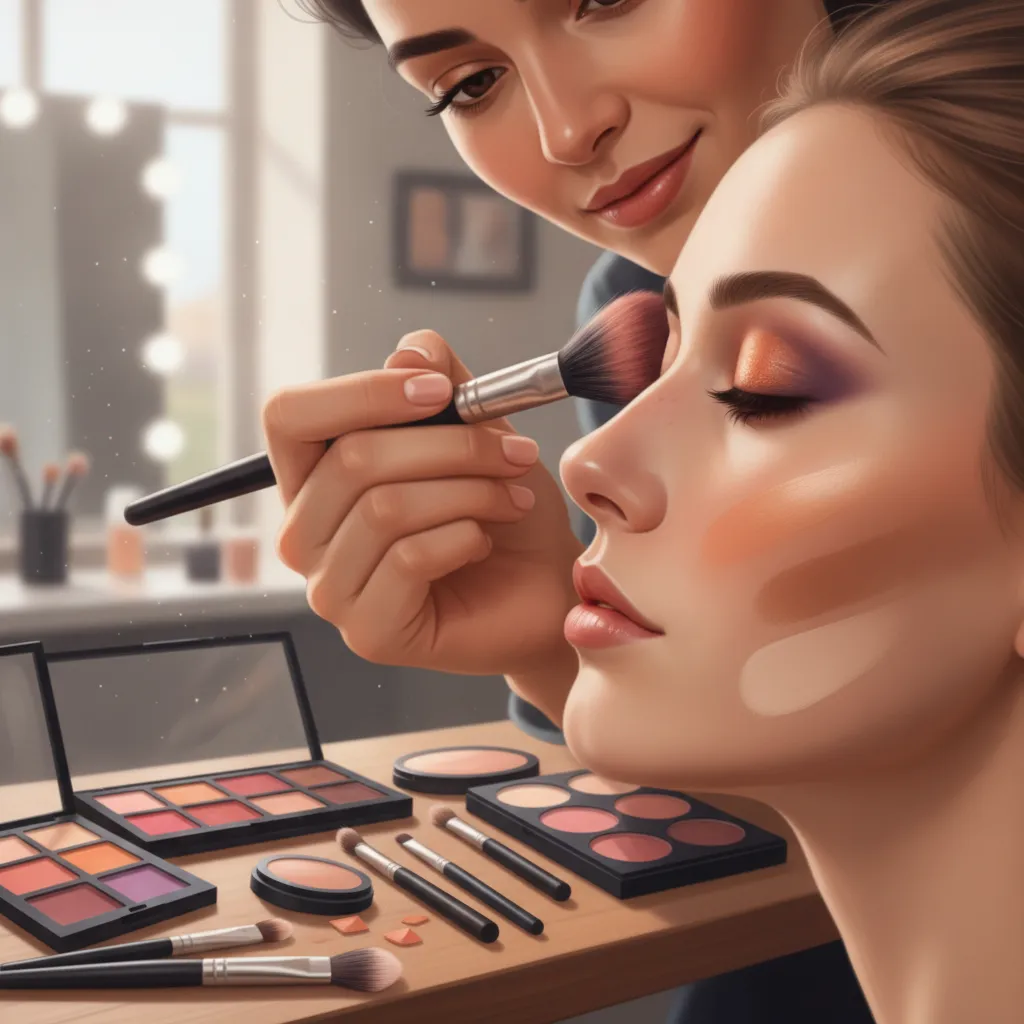
Makeup Fundamentals
Professional makeup artists consistently point to the same single skill as the real difference-maker between an amateur and professional-looking application — and it isn't the products themselves, it's the blending.
Cheat Sheet
- Makeup application generally follows a rough sequence — a base layer (such as foundation or concealer), followed by color products (like eyeshadow and blush), and finishing with setting products to help everything last.
- Matching foundation and concealer shades accurately to actual skin tone is widely considered one of the most technically important and commonly challenging steps in makeup application.
- Blending is frequently cited by makeup artists as the single most important technical skill in makeup application, since even high-quality products can look unnatural without proper blending technique.
- Different face shapes and features can be enhanced using techniques like contouring and highlighting, which use color and light to create the visual illusion of added shadow or dimension.
- Makeup trends have shifted noticeably over time, with different eras favoring dramatically different overall looks, from heavier, more dramatic application to more recent trends favoring a lighter, more natural-looking finish.
- Basic makeup skills are increasingly taught through accessible online tutorials, significantly expanding access to techniques that were previously more commonly learned through professional makeup artists or specialty retail counters.
The 60-Second Version
Makeup application generally follows a rough sequence, a base layer, such as foundation or concealer, followed by color products, like eyeshadow and blush, and finishing with setting products to help everything last. Matching foundation and concealer shades accurately to actual skin tone is widely considered one of the most technically important and commonly challenging steps in makeup application. Blending is frequently cited by makeup artists as the single most important technical skill in makeup application, since even high-quality products can look unnatural without proper blending technique. Different face shapes and features can be enhanced using techniques like contouring and highlighting, which use color and light to create the visual illusion of added shadow or dimension. Makeup trends have shifted noticeably over time, with different eras favoring dramatically different overall looks, from heavier, more dramatic application to more recent trends favoring a lighter, more natural-looking finish. Basic makeup skills are increasingly taught through accessible online tutorials, significantly expanding access to techniques that were previously more commonly learned through professional makeup artists or specialty retail counters.
The Long Version
A General Sequence, Base to Finish
Makeup application generally follows a rough sequence: a base layer, such as foundation or concealer, applied first to even out overall skin tone, followed by color products like eyeshadow, blush, and lip color, and finishing with setting products, powders or sprays designed to help the overall look last longer throughout the day without fading or shifting.
Getting the Shade Right
Matching foundation and concealer shades accurately to a person's actual skin tone is widely considered one of the most technically important and commonly challenging steps in makeup application, since an incorrectly matched shade is often immediately noticeable and can undermine an otherwise well-executed overall look, making shade-matching a genuinely important skill for both makeup artists and everyday users alike.
Why Blending Matters More Than the Products Themselves
Blending, the technique of smoothly transitioning between makeup product edges so there's no harsh, visible line, is frequently cited by professional makeup artists as the single most important technical skill in makeup application, since even genuinely high-quality, expensive products can look unnatural or unfinished without proper blending technique, while well-blended application of more affordable products can still look polished and professional.
Contouring, Highlighting, and Shifting Trends
Different face shapes and features can be enhanced using techniques like contouring, using darker shades to create the visual illusion of added shadow and dimension, and highlighting, using lighter or shimmering shades to create the illusion of added light on specific areas, both relying on the same basic principles of how light and shadow shape visual perception of depth. Makeup trends have also shifted noticeably over time, with different eras favoring dramatically different overall looks, and basic makeup skills are increasingly accessible today through online video tutorials, significantly expanding access to techniques previously more commonly learned through professional makeup artists or specialty retail counters.
Ad slot (placeholder — set NEXT_PUBLIC_ADSENSE_SLOT_ID once an ad unit is created)
Glossary
- Foundation
- A base makeup product applied to even out overall skin tone, typically the first color product applied in a routine.
- Blending
- The technique of smoothly transitioning between makeup product edges, widely cited as the single most important technical makeup skill.
- Contouring
- A makeup technique using darker shades to create the visual illusion of added shadow and facial dimension.
- Highlighting (makeup)
- A makeup technique using lighter or shimmering shades to create the visual illusion of added light and dimension on specific areas.
- Setting products
- Powders or sprays applied at the end of a makeup routine to help the overall look last longer throughout the day.
Go Deeper
- The Cosmetics, Toiletry and Fragrance Association
- Sephora Beauty Insider — Makeup Guides