Magical Realism
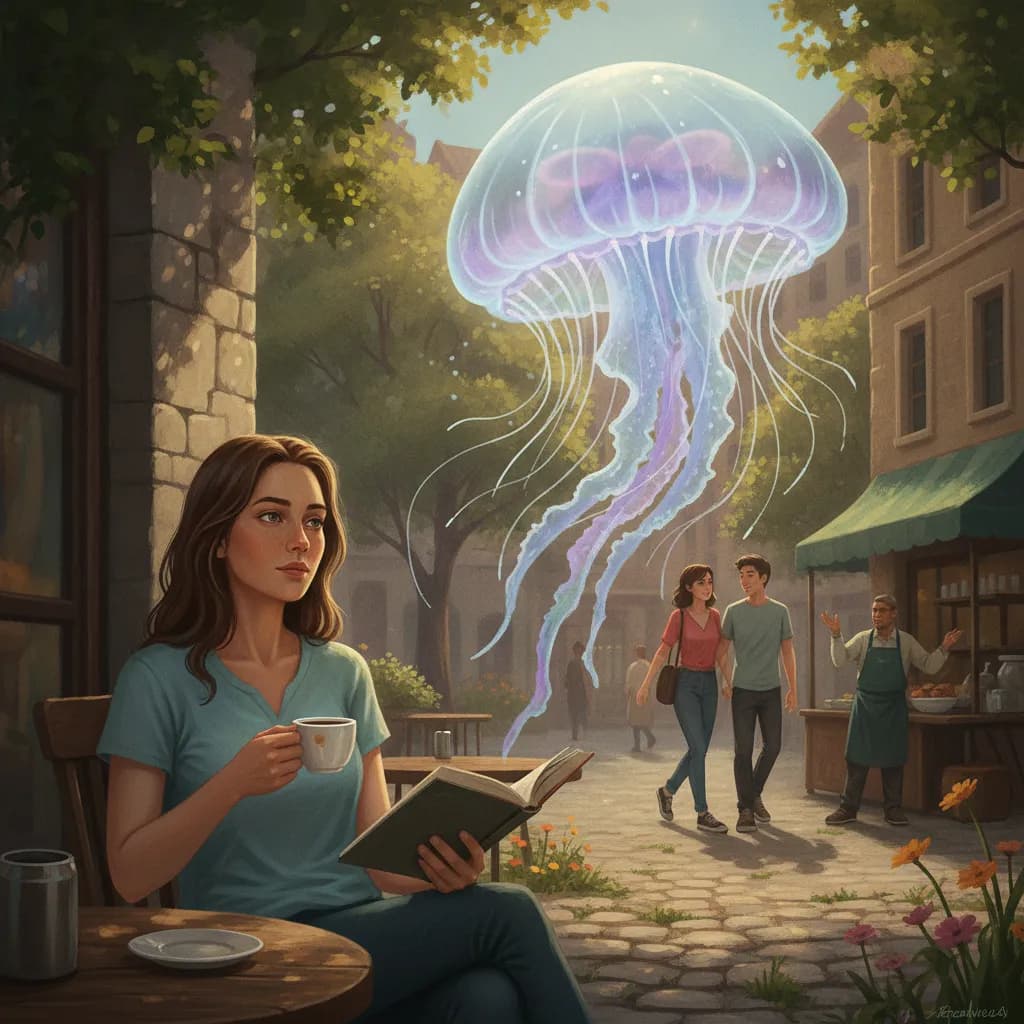
A literary style where a character might casually witness something genuinely impossible — and the story simply moves on, treating it as an entirely unremarkable part of everyday life.
Cheat Sheet
- Magical realism is a literary style that blends realistic, grounded settings and characters with elements of the fantastical or supernatural, presented matter-of-factly rather than as a dramatic surprise.
- The genre is closely associated with Latin American literature, particularly the work of Colombian author Gabriel García Márquez, whose novel "One Hundred Years of Solitude" is among its most celebrated examples.
- A defining feature of magical realism is that fantastical elements are treated as an unremarkable, accepted part of the story's reality, rather than being explained, questioned, or treated as extraordinary by the characters themselves.
- Magical realism differs from pure fantasy literature in that its overall setting and narrative logic otherwise remain firmly grounded in a recognizable, realistic world, with only specific fantastical elements woven in.
- The style has been used by numerous authors around the world well beyond Latin America, adapting its core techniques to a wide range of different cultural contexts and literary traditions.
- Magical realism is often understood as reflecting a particular way of perceiving reality itself, in which the boundary between the ordinary and the extraordinary is treated as considerably more fluid than in conventional realist fiction.
The 60-Second Version
Magical realism is a literary style that blends realistic, grounded settings and characters with elements of the fantastical or supernatural, presented matter-of-factly rather than as a dramatic surprise. The genre is closely associated with Latin American literature, particularly the work of Colombian author Gabriel García Márquez, whose novel "One Hundred Years of Solitude" is among its most celebrated examples. A defining feature of magical realism is that fantastical elements are treated as an unremarkable, accepted part of the story's reality, rather than being explained, questioned, or treated as extraordinary by the characters themselves. Magical realism differs from pure fantasy literature in that its overall setting and narrative logic otherwise remain firmly grounded in a recognizable, realistic world, with only specific fantastical elements woven in. The style has been used by numerous authors around the world well beyond Latin America, adapting its core techniques to a wide range of different cultural contexts and literary traditions. Magical realism is often understood as reflecting a particular way of perceiving reality itself, in which the boundary between the ordinary and the extraordinary is treated as considerably more fluid than in conventional realist fiction.
The Long Version
Fantastical Elements Treated as Entirely Normal
A defining structural feature of magical realism is that its fantastical or supernatural elements are presented matter-of-factly, treated as an unremarkable, accepted part of the story's reality rather than being explained, questioned, or reacted to with surprise by the characters themselves, a deliberate narrative choice that distinguishes the genre's tone considerably from conventional fantasy storytelling.
García Márquez and Latin American Literary Tradition
Magical realism is closely associated with Latin American literature, particularly the work of Colombian author Gabriel García Márquez, whose novel "One Hundred Years of Solitude" is widely considered among the genre's most celebrated and influential examples, helping establish magical realism as a globally recognized and highly respected literary tradition originating significantly from Latin America.
Grounded Reality, With Fantastical Threads Woven In
Magical realism differs meaningfully from pure fantasy literature in that its overall setting and narrative logic otherwise remain firmly grounded in a recognizable, realistic world, with only specific fantastical elements woven into that otherwise ordinary reality, rather than fantasy's more extensive, fully imagined alternative world-building.
A Global Technique Reflecting a Particular Way of Seeing
While closely associated with its Latin American origins, magical realism has been adopted and adapted by numerous authors around the world well beyond that original context, applying its core techniques to a wide range of different cultural settings and literary traditions. The style is often understood as reflecting a particular way of perceiving reality itself, one in which the boundary between the ordinary and the extraordinary is treated as considerably more fluid and porous than in conventional realist fiction.
Ad slot (placeholder — set NEXT_PUBLIC_ADSENSE_SLOT_ID once an ad unit is created)
Glossary
- Gabriel García Márquez
- A Colombian author closely associated with magical realism, whose novel "One Hundred Years of Solitude" is among the genre's most celebrated examples.
- Matter-of-fact presentation
- The magical realist technique of presenting fantastical elements as an unremarkable, accepted part of the story's reality.
- Realist fiction
- A literary style depicting ordinary life without fantastical elements, against which magical realism's approach is often contrasted.
- Fantasy literature
- A genre involving extensive fantastical or supernatural world-building, distinct from magical realism's otherwise realistic grounding.
- "One Hundred Years of Solitude"
- A celebrated novel by Gabriel García Márquez, widely considered one of magical realism's defining works.